1 day ago
Padmaavat Writer Defends Jauhar Scene Amid Swara Bhasker Row

Padmaavat includes a scene in which many women perform jauhar after their side loses a battle.
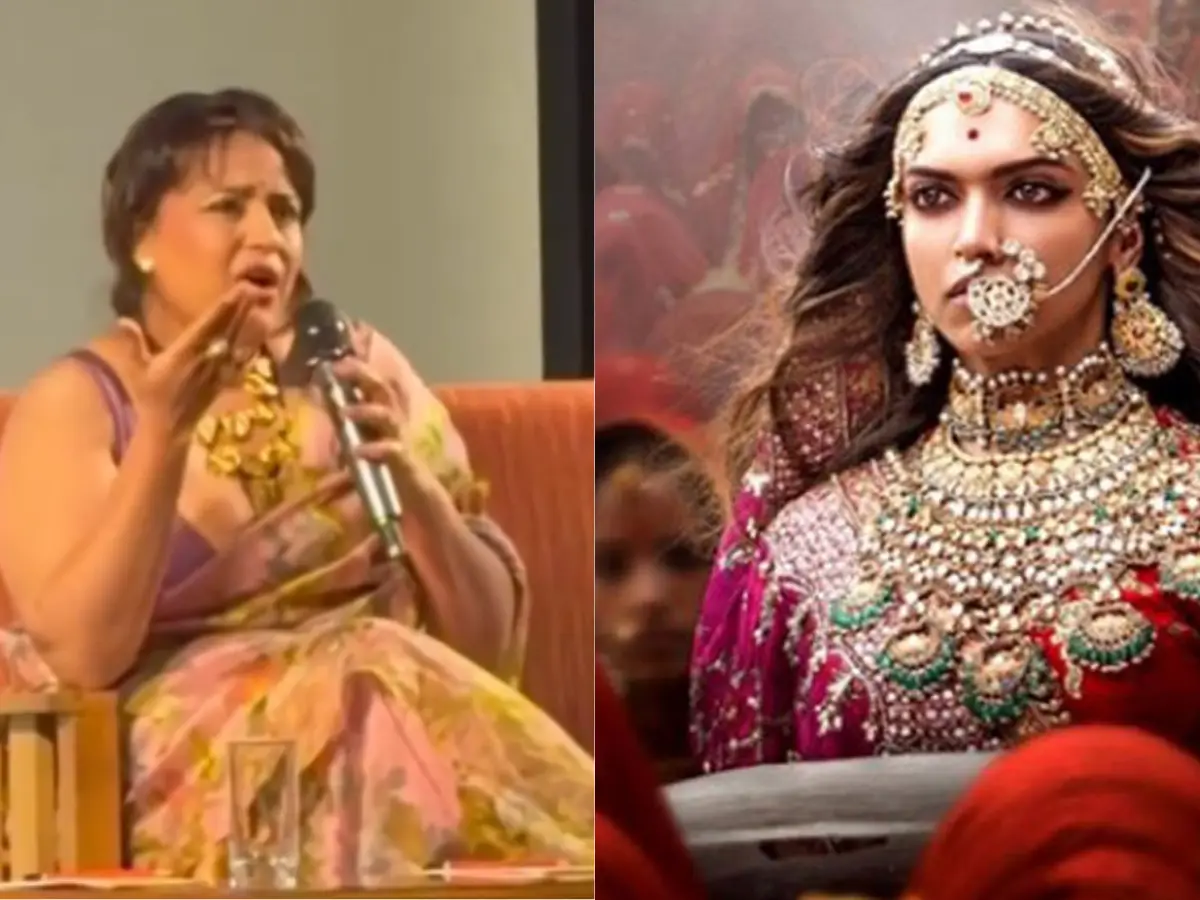
Swara Bhasker said the scene could send a harmful message to survivors of sexual violence.
She worried that viewers might think women should die rather than survive an assault.
She was also upset by the close-up of a pregnant woman taking part in the scene.
After people criticized her, Bhasker said her comments had been misunderstood.
She said she was questioning the film’s message, not insulting the women depicted.
Writer Prakash Kapadia defended the scene.
He said the filmmakers based it on their research and what history books described.
He also said people can interpret the film differently and that the renewed controversy was unnecessary.

Co-writer Prakash Kapadia defended Padmaavat’s jauhar sequence as a depiction of the period’s reality.
Kapadia said the filmmakers relied on research and accounts recorded in history books.
He described the situation as “do or die” and referred to the Rajput tradition of men performing kesariya before battle.
Swara Bhasker criticized the scene for potentially suggesting that death preserves a woman’s honour after sexual violence.
Bhasker later clarified that she did not call Rani Padmaavati or the women shown in the scene cowards.
- Who
- Padmaavat co-writer Prakash Kapadia and actor Swara Bhasker are at the center of the debate; the film stars Deepika Padukone, Ranveer Singh and Shahid Kapoor.
- What
- A dispute has resurfaced over Padmaavat’s depiction of jauhar and its possible message about women’s honour, survival and sexual violence.
- Where
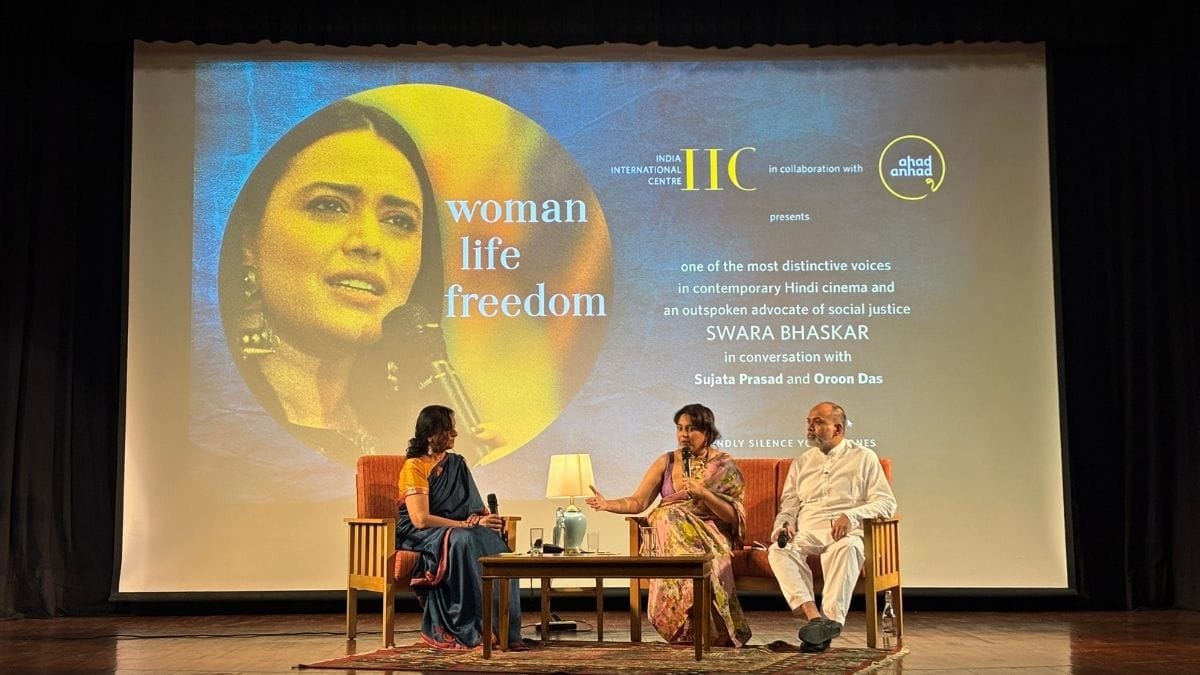
- Bhasker discussed the issue at an India International Centre event in Delhi; Kapadia spoke to Hindustan Times.
- When
- The renewed debate followed Bhasker’s comments at an event and Kapadia’s subsequent interview; the reports were published on September 3, 2026.
- Why
- Bhasker questioned whether the scene could make rape survivors feel that living was dishonourable, while Kapadia said it reflected the historical reality portrayed in the film.
Criticism of the Scene
Defense of the Scene
Historical depiction versus present-day message
Criticism of the Scene
Swara Bhasker said the sequence could suggest that a woman’s purity or honour is more valuable than her life and could make a rape survivor feel cowardly for surviving.
Defense of the Scene
Prakash Kapadia said the filmmakers portrayed what their research and history books presented as the reality of that period, which he said cannot now be changed.
Meaning of jauhar
Criticism of the Scene
Bhasker questioned whether showing hundreds of women choosing death communicates that rape is the end of a woman’s life.
Defense of the Scene
Kapadia framed the scene within a broader “do or die” situation and also referred to men performing kesariya before entering battles they knew might be fatal.
Renewed controversy
Criticism of the Scene
Bhasker maintained that her criticism concerned the film’s treatment of rape, honour and survival, rather than the courage of the women depicted.
Defense of the Scene
Kapadia called the controversy unnecessary, said viewers interpret films differently and stated, “Let people say what they want.”
Key facts
- Film
- Padmaavat, a 2018 period drama directed by Sanjay Leela Bhansali
- Writer’s defense
- Prakash Kapadia said the filmmakers followed research and historical accounts in books.
- Depicted event
- The film shows women performing jauhar after Rajput forces are defeated.
- Kapadia’s characterization
- He described the situation as “do or die” and discussed the kesariya tradition of men going into battle prepared to die.
- Bhasker’s concern
- She argued that portraying death as the way to protect honour could send a harmful message to sexual-violence survivors.
- Specific criticism
- Bhasker said she was particularly disturbed by a close-up of a pregnant woman participating in the jauhar scene.
- Clarification
- Bhasker said her remarks were mistranslated and that she had not called Padmaavati or the other women cowards.
Quotes
Prakash Kapadia
Co-writer of Padmaavat
“We made the film according to our research and what is written in history books. Every person interprets the film differently. What we showed, including the jauhar scene, was the reality of those times; it cannot be changed now. The situation was that of ‘do or die’.”
 indianexpress.com
 news18.com
“Are we saying that rape is the end of a woman’s life?”
indianexpress.com
Sources


Related news
Swara Bhasker Revisits Padmaavat Jauhar Criticism Amid Online Backlash

Swara Bhasker Clarifies Padmaavat Jauhar Remarks Amid Backlash
Ranvir Shorey Criticises Swara Bhasker Over Padmaavat Jauhar Debate

Swara Bhasker Faces Backlash Over Padmaavat Jauhar Remarks

Swara Bhasker Criticizes Padmaavat's Jauhar Scene
Fahad Ahmad Defends Swara Bhasker Over Padmaavat Remark
Swara Bhaskar Says Padmaavat Criticism Ruined Her Acting Career
Five-Decade Book Traces Indian Classical Art as Self-Quest