4 days ago
Young Adults Face Rising Chronic Neck and Back Pain

Neck and back pain are becoming more common in young adults.
Doctors say sitting for long periods, using screens, poor posture and not exercising can cause or worsen the problem.
Working from home and stress may also contribute.
Pain often begins as a small ache but can become long-lasting if ignored.
People should seek medical help if pain lasts more than two or three weeks.
Numbness, weakness, pain spreading to the arms or legs, fever or trouble walking are warning signs.
Treatment often includes movement, better sitting arrangements, physiotherapy and exercises.
Staying in bed for many days or relying only on painkillers usually does not solve the underlying problem.

Experts report increasing neck and back pain among people in their 20s and 30s, and sometimes schoolchildren.
Screen-heavy routines, work-from-home setups, poor posture, stress, weak muscles and reduced activity are cited as major contributors.
The World Health Organization says lower back pain is the leading cause of disability worldwide; more than 450 million working-age adults were affected in 2025.
Pain lasting more than two to three weeks, or involving numbness, weakness, radiating pain or neurological symptoms, warrants medical evaluation.
Treatment generally emphasizes staying active, correcting ergonomics, physiotherapy, posture training and strengthening rather than prolonged bed rest or long-term painkiller use.
- Who
- Young adults, increasingly including some schoolchildren, and the doctors treating them.
- What
- Chronic neck and lower back pain is increasingly being reported among younger people.
- Where
- The trend is described globally, with medical experts quoted from hospitals in India.
- When
- The increase has been observed over the past few years and has accelerated in the post-pandemic period; the article cites 2025 estimates.
- Why
- Experts attribute the trend mainly to prolonged screen time, sedentary work, work-from-home routines, poor posture, reduced physical activity, stress and poor sleep.
Key facts
- Global burden
- The World Health Organization identifies lower back pain as the leading cause of disability worldwide.
- 2025 estimate
- More than 450 million working-age adults were suffering from back pain in 2025, according to the article.
- 2050 projection
- Cases are projected to reach 843 million by 2050.
- Common causes
- Screen time, sedentary behavior, poor posture, reduced exercise, stress, weak core muscles and poor sleep are among the cited contributors.
- Medical review
- Pain lasting more than two to three weeks should not be disregarded, especially when accompanied by radiating pain, numbness or weakness.
- Urgent warning signs
- Fever, unexplained weight loss, night pain, walking imbalance, bowel or bladder problems, groin numbness and severe limb weakness require urgent evaluation.
- Core treatment
- Activity modification, ergonomic correction, physiotherapy, posture training and targeted strengthening are generally recommended for mechanical pain.
Quotes
Dr Vaibhav Bagaria
Director of orthopaedics and joint replacement at Sir HN Reliance Hospitals, Mumbai
“Long screen time, sitting for hours, work-from-home setups, less exercise, gym injuries, stress and poor sleep are all adding to it. Earlier this was seen more after 40; now even people in their 20s and sometimes schoolchildren are also coming with recurrent neck pain.”
 financialexpress.com
“There has been a noticeable rise in young adults seeking consultation for neck and back pain over the past few years. Musculoskeletal pain, once considered primarily an older-age concern, is now frequently seen in people in their 20s and 30s.”
financialexpress.com
Sources
Related news

Laptop Posture May Strain The Neck, Surgeon Warns
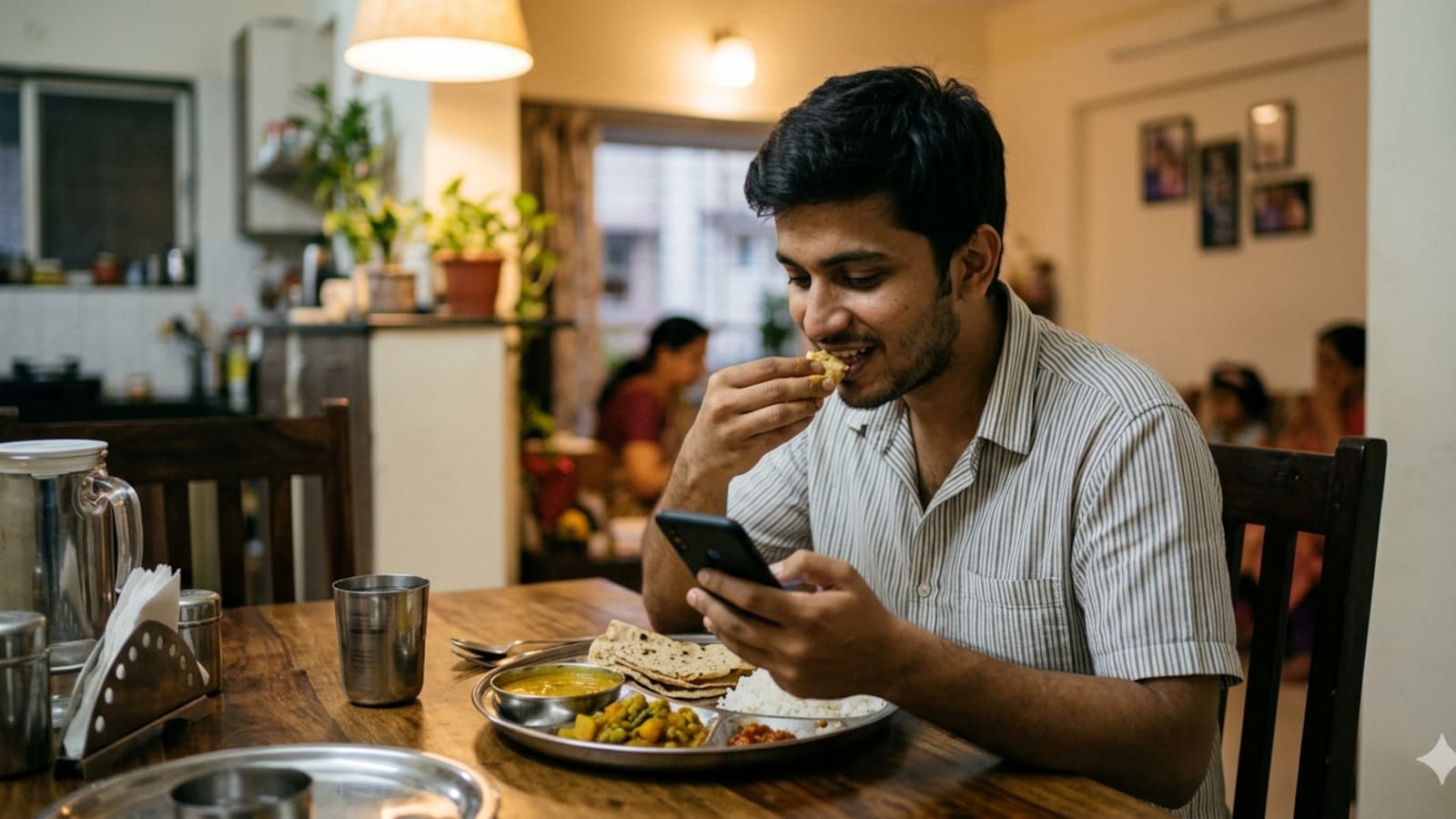
Prolonged Phone and Laptop Use Can Harm Spine Health

Heart Disease Is Increasingly Affecting Younger Adults in India

Why Indians in Their 20s Face Diabetes, Fatty Liver

Shakeela's Rs 3 Lakh Neck Surgery Highlights Tech Neck Risks

Prolonged Sitting Raises Long-Term Risks for Spine and Heart

New Hangout Sitcoms Turn Friendship FOMO Into Streaming Appeal

Chinese Workers Fight Office Ageing With Parasols And Sunscreen

India Sends Fifth Aid Tranche as Nepal Flood Toll Climbs

Dyson Launches $499 CameraJet AI Toothbrush With Jet Flossing

PlatinumRx remotely helps families save on recurring medicines