2 weeks ago
Is the new Spider-Man film normalizing mass surveillance?
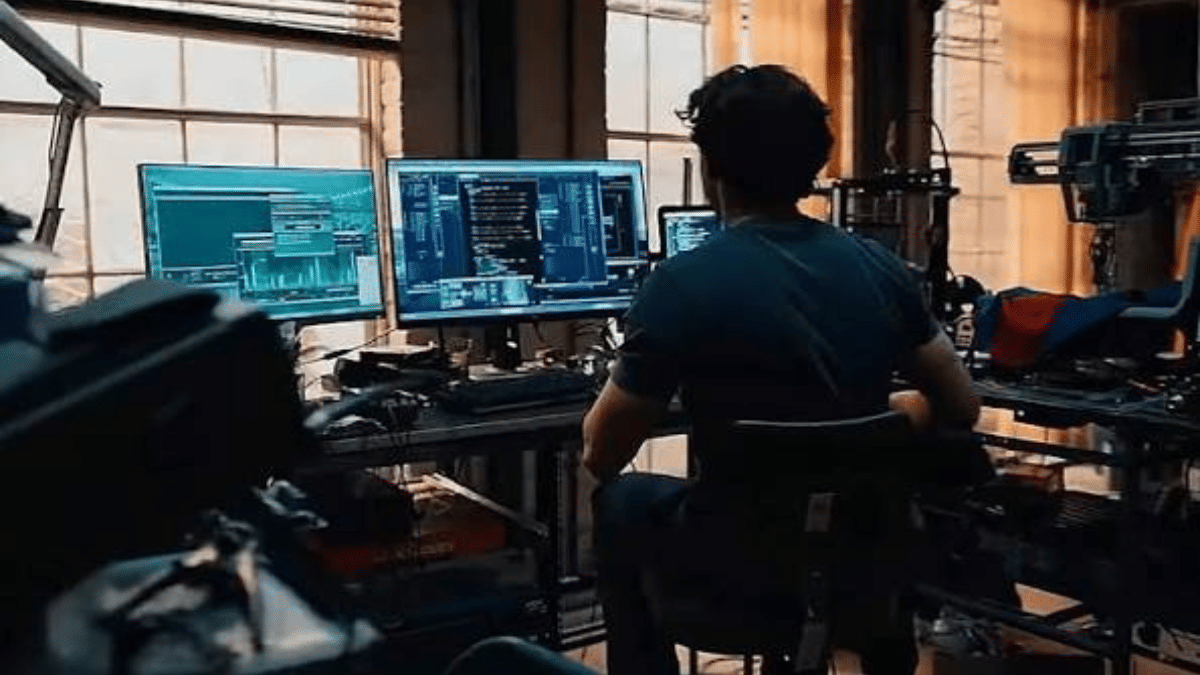
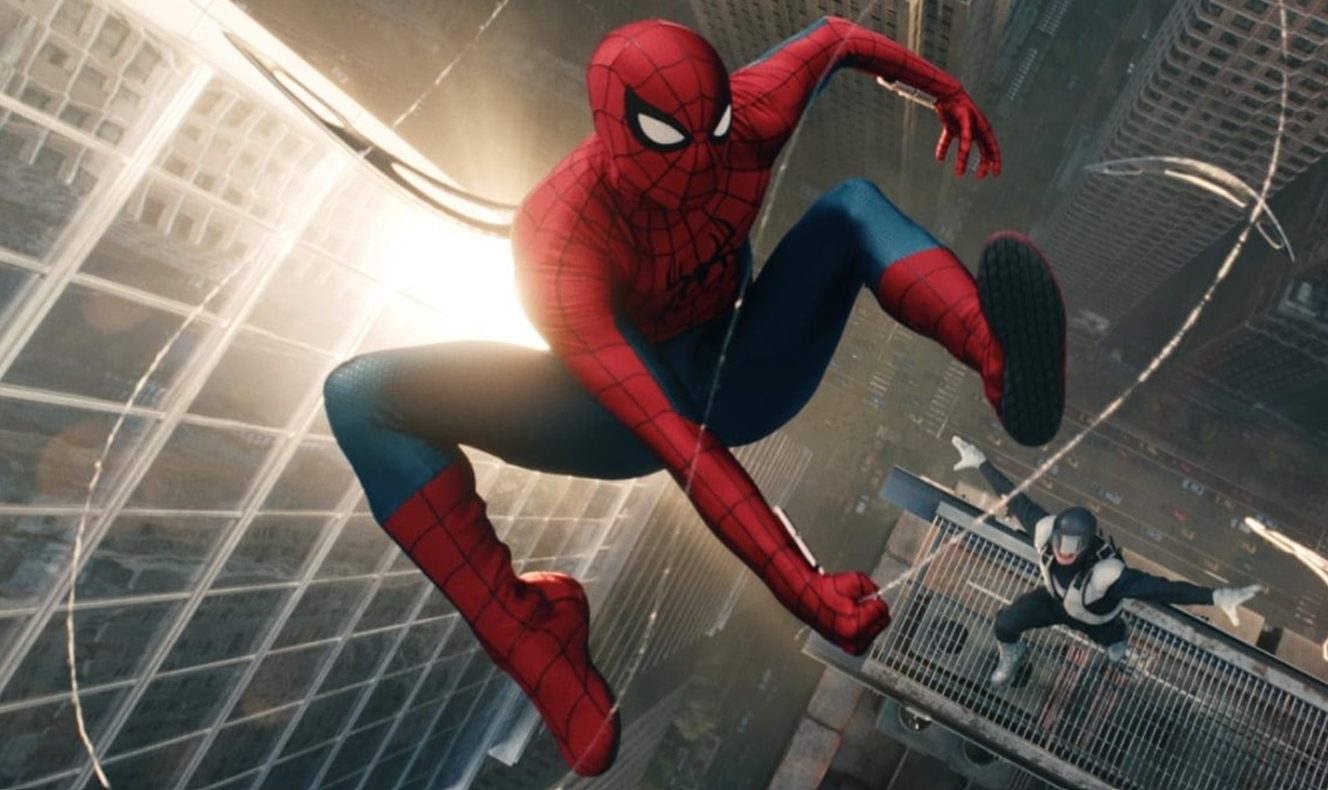
In a new Spider-Man movie, the hero uses special computer magic to look at every camera in New York City and find bad guys.
When he tells a police officer about it, the officer jokes that it sounds illegal, and everyone moves on.
An article says this teaches us that spying on everyone is okay if you are a good guy.
Long ago, in a Batman movie, Batman made a similar spying machine, but his friend said it was too much power, so it was destroyed.
Spider-Man does not worry about this the way Batman did.
The article says movies like Fast & Furious, Bourne, and Mission Impossible also show cameras watching everyone as a normal thing.
This can make real-life spying feel less scary.
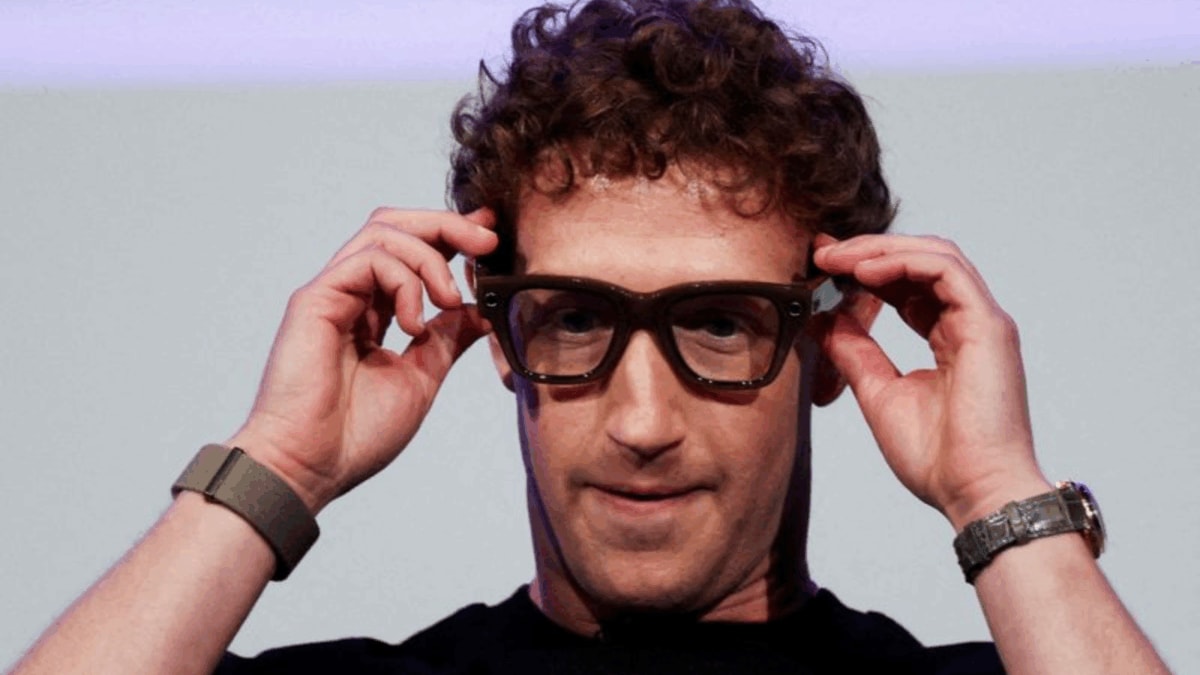
In real life, police in Delhi used face-spotting computers at a protest, and smart glasses with cameras have made people worried about privacy.
The article thinks movies should show why watching everyone can be a problem instead of pretending it is no big deal.

In the new Spider-Man film Brand New Day, Peter Parker runs facial recognition on every camera in New York City to hunt villains, and a cop jokes that it "sounds illegal."
The writer argues the film normalizes mass surveillance because Spider-Man is a relatable Gen Z hero, so the surveillance plays as competence rather than menace.
The column contrasts Spider-Man with The Dark Knight, where Batman's sonar surveillance system is used once and destroyed after Lucius Fox warns it is too much power.
The article says Hollywood films such as Furious 7, the Bourne series, and Mission Impossible have long treated CCTV, facial recognition, and satellite feeds as routine tools.
Real-world parallels include the Delhi Police using facial recognition during the Jantar Mantar protests and Ray-Ban Meta glasses sparking privacy bans, "pervert glasses" criticism, and public debate.
- Who
- Peter Parker (Spider-Man) and the filmmakers behind Brand New Day, identified in the article as Song Pictures; the column is written by a critic expressing personal views.
- What
- The film shows Spider-Man using facial recognition on every camera in New York City to find villains (Scorpion and Jean Grey), which the writer says normalizes mass surveillance.
- Where
- New York City in the film; Delhi's Jantar Mantar for the protests; high-end restaurants, Soho House clubs, and courtrooms in England and Wales banning smart glasses.
- When
- The article discusses the latest Spider-Man film in the context of 2026, weeks after the Jantar Mantar protests in Delhi, and notes Ray-Ban Meta glasses arrived in India in 2025.
- Why
- Because a relatable, friendly hero using surveillance is framed as competence rather than menace, and Hollywood rarely argues against mass surveillance.
Critics: films normalize mass surveillance
Film framing: surveillance as a hero tool
Spider-Man's city-wide facial recognition
Critics: films normalize mass surveillance
Spider-Man running facial recognition on every city camera is portrayed as competence, with only a detective's two-second joke acknowledging it sounds illegal.
Film framing: surveillance as a hero tool
The surveillance is presented as a practical crime-fighting tool, and the film does acknowledge its questionable legality through the cop's remark.
Hollywood's pattern of normalized surveillance
Critics: films normalize mass surveillance
Films like Furious 7, the Bourne series, and Mission Impossible treat CCTV, facial recognition, and satellite feeds as routine, dulling audiences to privacy invasions.
Film framing: surveillance as a hero tool
Such all-seeing tools are framed as dangerous only depending on who holds them, with heroes using them to protect people.
Impact on real-world privacy attitudes
Critics: films normalize mass surveillance
On-screen comfort makes real surveillance systems feel normal, as seen with the Delhi Police and Ray-Ban Meta glasses.
Film framing: surveillance as a hero tool
Real-world pushback still exists - including ACLU criticism, "pervert glasses" backlash, and bans in England and Wales - showing audiences are not fully desensitized.
Key facts
- Film
- Spider-Man: Brand New Day (referred to in the article as Brand New Day)
- Studio (as named in article)
- Song Pictures
- Surveillance tech in film
- Facial recognition over the New York camera grid via AI companion "EV"
- Earlier series tech
- EDITH glasses in Far From Home; taken away in No Way Home
- Comparison film
- The Dark Knight (2008) - sonar surveillance system used once, then destroyed
- Smart glasses product
- Ray-Ban Meta glasses (launched 2021; arrived in India 2025)
- Real-world protest context
- 2026 Jantar Mantar protests; Delhi Police facial recognition and AI tools
Quotes
Kade Crockford
ACLU of Massachusetts attorney
“The American people have not consented to this massive invasion of privacy.”
 theprint.in
“That sounds illegal. I’m going to pretend I didn’t hear that.”
theprint.in
Sources
Related news
Spider-Man's AI Surveillance Mirrors Real-World Mass Privacy Concerns

7-Year-Old Elvis Carlos Debuts as 'Web Kid' in Spider-Man
Delhi Man Challenges Meta Over Alleged Smart-Glasses Recording

Delhi Police denies mass surveillance at Jantar Mantar protests

Supreme Court to hear plea challenging Delhi Police facial recognition

SC agrees to hear plea challenging Jantar Mantar facial recognition

Social Media Companies Intensify Efforts to Identify Child Users

Yorkville America Expands Beyond Trump-Linked ETFs With AI Strategy
Meta’s $18-Billion Child Safety Settlement Faces Praise and Criticism

School Awards Honour Courage, Commitment and Educational Excellence

AI Expansion Puts Jamnagar and Thane Under Water Stress