2 weeks ago
Supreme Court to hear plea challenging Delhi Police facial recognition
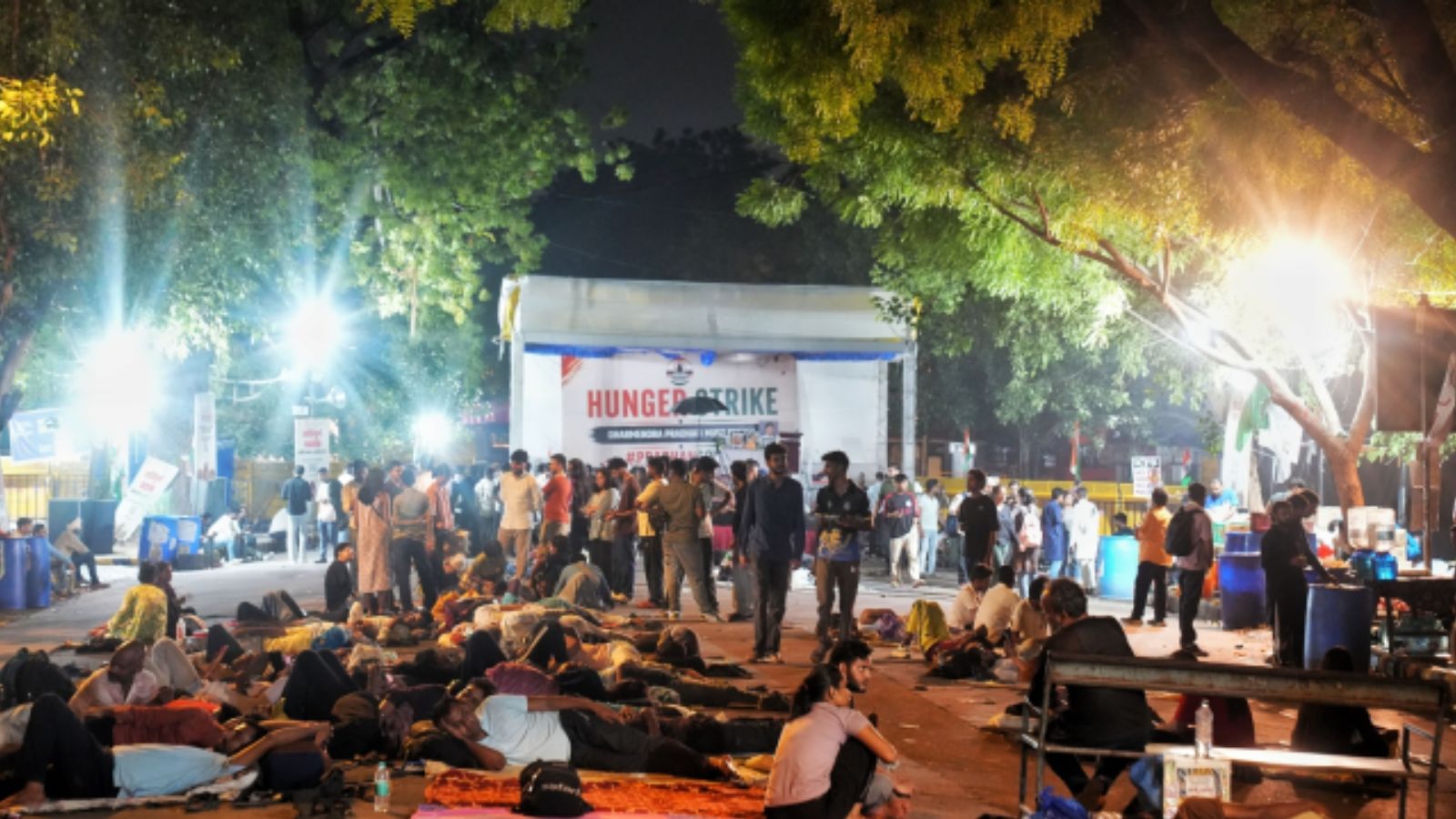
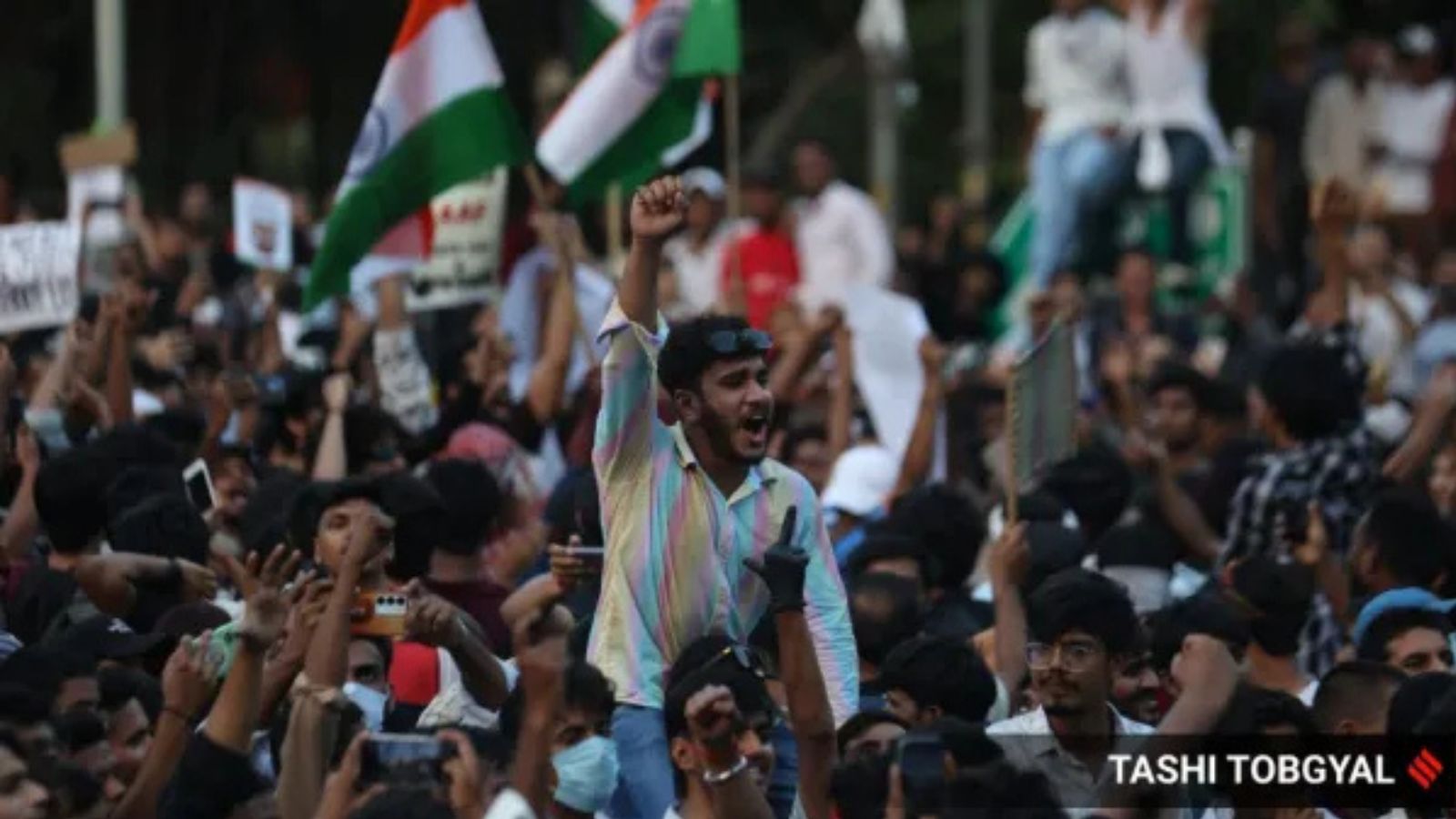
In India, students held a protest at a place called Jantar Mantar in New Delhi.
The protest was about a big exam called NEET and a paper leak.
During the protest, police used special cameras that can look at people's faces and figure out who they are.
This is called facial recognition.
A lawmaker named AA Rahim was worried the police did this without following the rules.
He went to the Supreme Court, the highest court in India, to ask for help.
He says police took photos and videos of protesters, journalists and other people without proper legal permission.
He also says private companies are keeping this personal information, which he thinks is against the rules.
The Supreme Court agreed to listen to his complaint along with other similar cases.
The court will decide whether identifying people this way is fair, because everyone has a right to privacy.

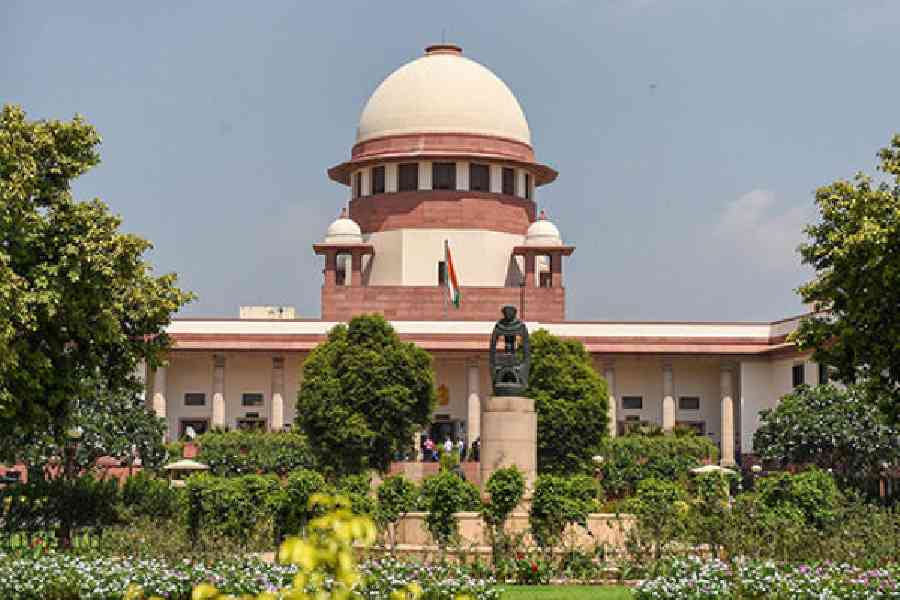
The Supreme Court agreed to hear a plea by Rajya Sabha MP AA Rahim challenging Delhi Police's use of facial recognition and biometric surveillance at the Jantar Mantar student protest.
Senior advocate Menaka Guruswamy flagged two concerns: facial recognition of protesters and biometric data stored by private companies.
The plea alleges the surveillance was conducted in a 'complete legal vacuum' and that protesters' biometric identifiers were linked with permanent national criminal databases.
An RTI response reportedly confirmed that no privacy impact assessment was conducted before the deployment of facial recognition technology.
The petition seeks disclosure of technologies, databases and vendor arrangements, plus a mechanism for affected individuals to access and delete their data.
- Who
- Rajya Sabha MP AA Rahim (CPI-M, Kerala), represented by senior advocate Menaka Guruswamy, and a Supreme Court bench led by Chief Justice Surya Kant with Justices Joymalya Bagchi and V Mohana
- What
- The Supreme Court agreed to hear the plea challenging Delhi Police's use of facial recognition technology and other biometric surveillance during the student protest at Jantar Mantar
- Where
- Supreme Court of India, New Delhi; the protest took place at Jantar Mantar, New Delhi
- When
- Thursday, August 13; the protest is described in the articles as recent
- Why
- Petitioners argue the biometric surveillance of peaceful public assemblies is unconstitutional, conducted in a 'complete legal vacuum' and in violation of the KS Puttaswamy privacy judgment
Petitioners and privacy advocates
Delhi Police
Purpose of facial recognition at protests
Petitioners and privacy advocates
Petitioners say FRT was used for indiscriminate biometric surveillance of protesters, journalists and the public at a peaceful assembly, which is unconstitutional.
Delhi Police
Delhi Police previously maintained that FRT was intended only for tracing missing persons and identifying deceased persons.
Legal authorization for surveillance
Petitioners and privacy advocates
The plea says the surveillance operates in a 'complete legal vacuum' because existing frameworks such as the Delhi Police Standing Orders and the Criminal Procedure (Identification) Act, 2022 do not authorize biometric surveillance of civilian assemblies, and it should be restrained until Parliament passes a specific law.
Delhi Police
The petition's own account shows Delhi Police deployed CCTV cameras, drones and a mobile command-and-control vehicle at the gathering, indicating the force treated such monitoring as part of its protest-management powers.
Key facts
- Petitioner
- AA Rahim, Rajya Sabha MP from Kerala (CPI-M)
- Bench
- Chief Justice Surya Kant with Justices Joymalya Bagchi and V Mohana
- Protest
- Recent student protest at Jantar Mantar, New Delhi, held by the Cockroach Janata Party against the NEET paper leak
- Key argument
- Surveillance fails the Puttaswamy tests of legality, legitimate state purpose and proportionality
- RTI finding
- No privacy impact assessment was conducted for facial recognition deployment
- Surveillance tools cited
- CCTV cameras, drones and a mobile command-and-control vehicle
- Claimed legal gap
- Delhi Police Standing Orders and the Criminal Procedure (Identification) Act, 2022 do not authorize biometric surveillance of civilian assemblies
- Relief sought
- Disclosure of technologies, databases and vendors; data access, grievance redressal and deletion mechanism
Quotes
Senior advocate Menaka Guruswamy
Advocate appearing for Rajya Sabha MP AA Rahim
“The Supreme Court on Thursday agreed to hear a plea filed by a Rajya Sabha lawmaker challenging the alleged deployment of facial recognition technology and other biometric surveillance measures by Delhi Police during the recent student protest at Jantar Mantar”
 theprint.in
“One maps your face and one is a vehicle. So spectacles are used and a vehicle is also used. And that data is all taken without permission. These private entities host the data. In violation of the rules…”
theprint.in
Sources

Related news
Delhi Police denies mass surveillance at Jantar Mantar protests
Gokhale Questions ECI Data Sharing for Delhi Police Facial Recognition

SC agrees to hear plea challenging Jantar Mantar facial recognition

Delhi Police defends CJP protest force, denies nail-fitted lathis

Delhi Police Deploy Facial Recognition, Biometrics for Red Fort Security

Supreme Court Panel to Probe Delhi NEET Protest Police Excesses

Doxxing and data leaks threaten India's digital dignity
Karnataka High Court orders Google to mask acquitted woman's name

Mumbai Society Rules on CCTV and Property Transfers