12 hrs ago
India’s Many Chutneys Preserve Regional Flavors, Thrift, Seasons, and Memories
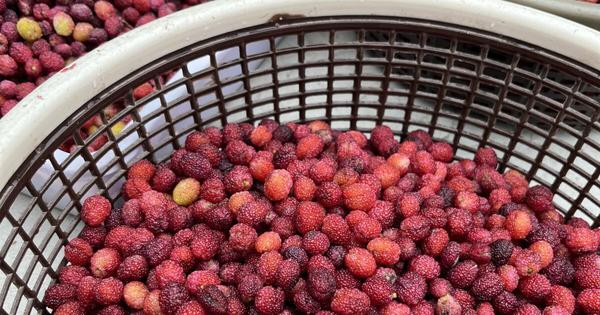
Chutney is not just one kind of sauce.
Different parts of India make it with whatever foods are available nearby.
People use fruits, vegetables, seeds, peels, herbs, fish, meat and even fermented ingredients.
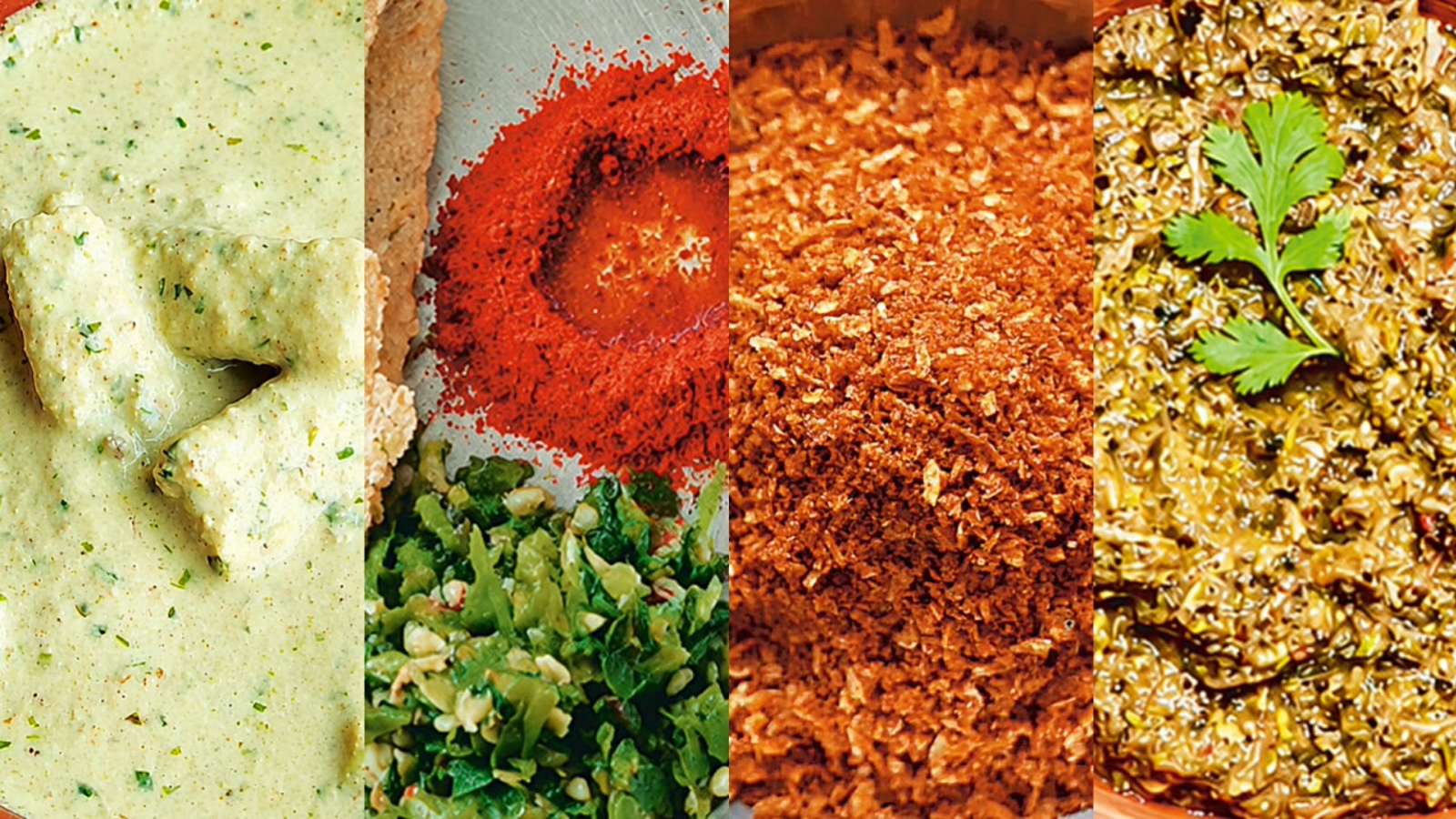
Some chutneys are wet and sweet, while others are dry, spicy or sour.
In the past, chutney helped families use leftovers and avoid wasting food.
For some people, a little chutney made a simple meal filling and flavorful.
Its ingredients and preparation methods also show what grows in each season and place.
Many chutneys are connected to family memories and recipes passed down by grandmothers and mothers.

India’s chutneys vary widely by region and community, ranging from dry, coarse mixtures to thick or runny preparations.
Rushina Munshaw-Ghildiyal documented about 230 recipes and contributions from more than 120 regional food experts in her book on chutneys.
Home cooks traditionally used seasonal produce, leftovers, peels, seeds, wild ingredients and preserved foods to prevent waste.
Chutneys can serve as accompaniments, palate cleansers or even complete meals, especially when made with affordable dry ingredients.
Cooks and food writers say chutneys preserve local ecology, techniques, women’s culinary knowledge and memories across generations.
- Who
- Indian home cooks, culinary experts and food chroniclers, including Rushina Munshaw-Ghildiyal, documented the country’s diverse chutneys.
- What
- A culinary account explains how chutneys reflect regional traditions, seasonal ingredients, thrift, preservation and family memory.
- Where
- Across India, including Assam, Kashmir, Bengal, Andhra Pradesh, Kerala, Marathwada, Jharkhand, Ladakh and other regions.
- When
- The traditions span generations; Chutney Day is celebrated on September 24, and Munshaw-Ghildiyal’s book was published last year relative to the article.
- Why
- Chutneys add flavor, use available or leftover ingredients, preserve food and carry local knowledge and memories.
Key facts
- Chutney Day
- September 24
- Documented recipes
- About 230
- Regional contributors
- More than 120 food experts
- Featured book
- Chutney: A Compendium of Stories and Recipes
- Book length
- More than 500 pages
- Common ingredients
- Produce, peels, seeds, leaves, wild herbs, dried fish, meat and fermented foods
- Traditional functions
- Accompaniment, palate cleanser, preservation and economical meal-making
Quotes
Rushina Munshaw-Ghildiyal
Author and culinary chronicler who documented chutneys across India
“Its ingredients and techniques can reveal a great deal about the local ecology, seasons, preservation practices and the knowledge held within home kitchens”
 indianexpress.com
“Our culinary landscape is vast and incredibly nuanced, and the concept of chutney is also limitless”
indianexpress.com
Shahu Patole
Writer who chronicled the foodways of Dalit communities in Marathwada
“Some of us still have to run to the fields to work and don’t have the luxury of buying and making vegetables, so what would we do? Take a bhakri, put on a little kharda or thecha and the meal is done”
indianexpress.com
Sources
Related news
Six Chef-Recommended Chutneys Aim to Support Monsoon Digestion
Why Grated Vegetables Are India’s Latest Kitchen Trend
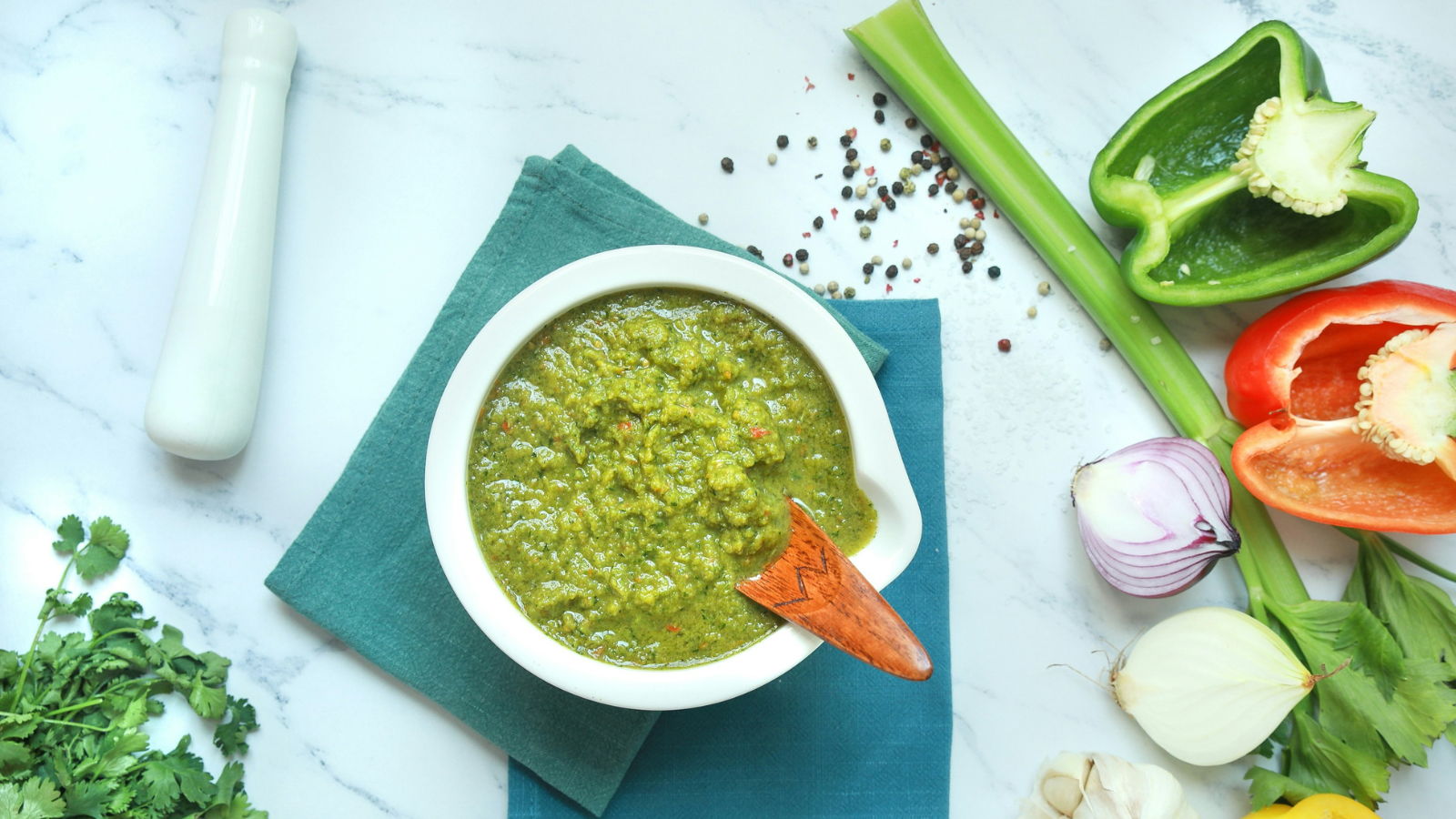
Chefs Explain the Secrets Behind Restaurant-Style Green Chutney

Six Indian Samosas Show How One Snack Breaks Every Rule

India's Condiment Boom Leaves Shoppers Spoilt, Confused and Overwhelmed