

6 days ago
Why India’s Indigenous Fruits Are Disappearing—and How to Save Them
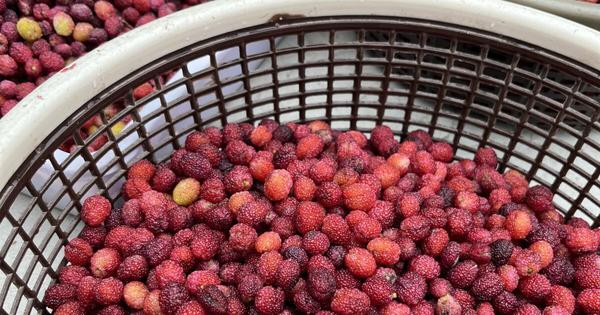
Some fruits that once grew commonly in Indian homes and villages are becoming rare.
Examples include Leteku in Assam and Sohthang and Sohlong in Meghalaya.
People are planting more commercial fruits because they can bring steadier income.
Many local fruits are also seasonal, delicate and difficult to transport.
When people forget their names and uses, they may stop wanting to buy them.
These fruits can provide important vitamins, minerals and other health benefits.
They also help protect biodiversity and local knowledge.
Making products such as jams, pickles and drinks could create demand for them.
However, communities should remain involved so the fruits do not become too expensive or overharvested.

Indigenous fruits such as Leteku, Poniol, Thekera, Sohthang and Sohlong are becoming harder to find in northeastern India.
Urbanisation, land-use changes, limited awareness and commercial crops are reducing the presence of traditional fruit trees.
Many local fruits provide vitamins, minerals, antioxidants, medicinal benefits and food during lean seasons.
Their seasonality, fragility and inconsistent supply make them difficult to sell through conventional retail markets.
Researchers and producers recommend documentation, crop research, community support and value-added products such as preserves and coolers.
- Who
- Farmers, local communities, researchers, food producers and advocates concerned with indigenous fruits.
- What
- Indigenous fruits are declining in diets and landscapes across parts of India, especially the Northeast.
- Where
- Especially Assam and Meghalaya, as well as other parts of India.
- When
- The decline is described as gradual and ongoing; the article provides no specific start date.
- Why
- Urbanisation, land-use change, commercial crop incentives, weak documentation and research, limited consumer awareness, and difficult market conditions are contributing to the decline.
Conservation and community priorities
Commercial cultivation and market priorities
Role of commercial horticulture
Conservation and community priorities
Supporters of indigenous-fruit conservation warn that incentives for non-native and highly profitable crops can reduce landscape diversity and displace traditional fruit trees.
Commercial cultivation and market priorities
Farmers need crops that provide reliable economic returns, and commercial cultivation can sometimes revive overlooked fruits by creating demand and improving propagation.
Value-added products
Conservation and community priorities
Processing local fruits can support growers and reduce spoilage, but it should be ethical, community-centred and linked to sustainable harvesting and cultivation.
Commercial cultivation and market priorities
Turning seasonal fruits into preserves, drinks or powders can make them easier to sell and provide stronger commercial incentives for cultivation.
Key facts
- Examples of declining fruits
- Leteku, Poniol, Thekera, Sohthang and Sohlong
- Leteku
- Also called Burmese grape; once common in Assam homesteads but increasingly rare in markets.
- Poniol
- Flacourtia jangomas, a seasonal sweet-and-tangy fruit found in parts of Northeast India.
- Nutritional value
- Indigenous fruits are described as sources of vitamins, minerals, antioxidants and phytochemicals.
- Main pressures
- Urbanisation, land-use change, commercial cultivation, limited awareness and weak research support.
- Potential solution
- Value-added products including jams, jellies, pickles, preserves, coolers and powders.
- Conservation concern
- The decline threatens food diversity, genetic diversity, traditional knowledge and local ecological resilience.
Quotes
Dharindra Nath Hazarika
Head of the horticulture department at BN College of Agriculture under Assam Agriculture University
“The availability of indigenous, local fruits has definitely decreased over time. There is a lack of research and documentation on this subject, so we don’t know the exact magnitude of the decline.”
 scroll.in
“Indigenous crops often provide food during lean seasons and periods of scarcity, thus providing food security. They are also a rich source of antioxidants, minerals and vitamins.”
scroll.in
Pius Ranee
Executive director of North East Society for Agroecology Support
“Many traditional fruits, vegetables, and edible plants once commonly found in homesteads and villages are becoming less common. Older generations often recall a greater diversity of food plants around homes, fields and forests than what is seen today.”
scroll.in
Sources
Related news

Jharkhand Women Farmers Triple Mango Income Through Global Markets

Food security to nutrition security: building a healthier rural India

Usha Soolapani Leads India’s Revival of Forgotten Rice

Chefs Celebrate Independence Day with Regional Indian Heritage Recipes

Modi Highlights India’s Growing Avocado Market and Farmer Gains
