3 days ago
Why Grated Vegetables Are India’s Latest Kitchen Trend
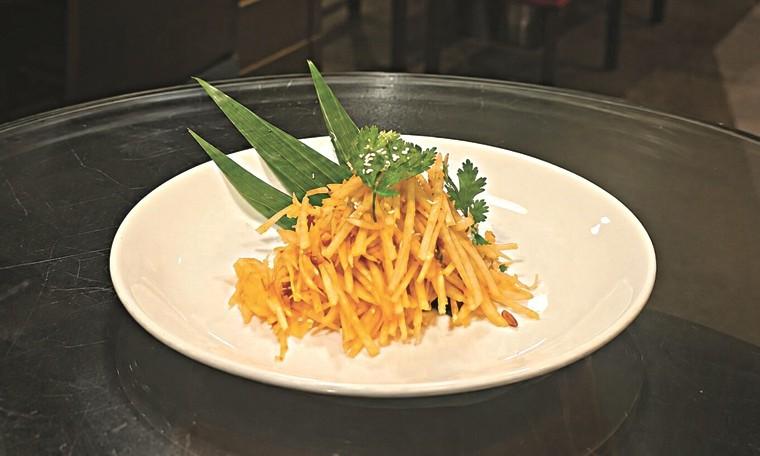
Grating means cutting vegetables into very small strips.
People in India have used grated vegetables in dishes such as gajar halwa, muthiya, parathas, and idlis for a long time.
Now, grated vegetables are also popular in fritters, salads, noodles, dumplings, and rösti.
Small strips can cook quickly and add interesting textures.
Some vegetables, such as zucchini and beetroot, must be squeezed so dishes do not become watery.
Different graters make different sizes of strips for different recipes.
Grated vegetables can help people eat more fibre, vitamins, and minerals.
It is best to grate them shortly before eating and use both raw and cooked vegetables.

Grated vegetables are appearing in traditional Indian dishes, snacks, salads, fritters, parathas, idlis, and dumplings.
Chefs say shredding improves texture, speeds cooking, helps bind ingredients, and can reduce food waste.
Coarse, medium, fine, and microplane grating produce different results, from crisp rösti to smooth halwa and batters.
Moisture control is essential for watery vegetables such as zucchini and beetroot, while binders include besan, rice flour, and ragi.
Grating can make vegetables easier to eat and increase fibre, vitamin, and mineral intake, but freshness and varied preparation remain important.
- Who
- Food blogger Vidyalakshmi, Chefs Sarfaraz Koresin and Rajdeep Rana, and dietician Amreen Shaikh provide the observations and advice.
- What
- Grated and shredded vegetables are being highlighted as a versatile, traditional, nutritious, and lower-waste cooking trend.
- Where
- The examples span Indian regions and cities including North India, South India, Gujarat, Karnataka, Kolkata, Chennai, Konark, Pune, and Thane, as well as international cuisines.
- When
- The article does not specify a publication date; it describes current cooking trends and established regional practices.
- Why
- Grating adds texture, helps ingredients bind, speeds cooking, uses more of the vegetable, and can make vegetables easier to eat.
Key facts
- Traditional examples
- Grated vegetables feature in gajar halwa, lauki muthiya, kofta curry, cucumber idli, beetroot chop, parathas, and tikkis.
- Grating guide
- Coarse grating suits rösti, fritters, and salads; fine grating suits halwa, koftas, and batters; microplanes suit garlic, ginger, and zest.
- Moisture control
- Zucchini should be salted, rested, and squeezed, while beetroot requires squeezing and gradual addition of flour.
- Binders
- Besan absorbs moisture and adds nutty flavour; rice flour creates a crisp crust; ragi adds earthiness but can be dense when used alone.
- Nutrition
- Grating does not increase nutrient absorption, but it can make vegetables easier to chew and help increase fibre, vitamin, and mineral intake.
- Freshness
- Grate vegetables shortly before use, keep them airtight and refrigerated, and consume them within a day.
- Waste reduction
- Tougher parts and cores of cauliflower, broccoli, and cabbage can be julienned for salads or chaats.
Quotes
Amreen Shaikh
Chief Dietician at KIMS Hospital, Thane
“Grated vegetables are an effective way to increase intake of fibre, vitamins, and minerals without altering taste.”
 deccanchronicle.com
“In the North, gajar halwa turns grated carrots into a winter indulgence.”
deccanchronicle.com
Chef Sarfaraz Koresin
Chef at Lotus Eco Beach Resort, Konark
“Their crisp strands add height and texture, while shredding maximises yield.”
deccanchronicle.com
Sources
Related news

Chefs Celebrate Independence Day with Regional Indian Heritage Recipes
Rice paper recipes from Instagram inspire five vegetarian snacks at home
Tamil Food Pop-Up at Mazzo Highlights Kongu Nadu Flavors
Mini Bites Bring Variety, Craft, and Mindful Indulgence to Tables
Kangan’s Comorin Popup Takes Diners on an Indian Culinary Journey
Widespread Rain Expected in Konkan, Madhya Maharashtra
Pune embraces 'swicy' food trend
Heavy Rain Continues in Pune

Pune Seizes Banned E-Cigarettes, Hookah Products Worth ₹8.32 Lakh