

3 days ago
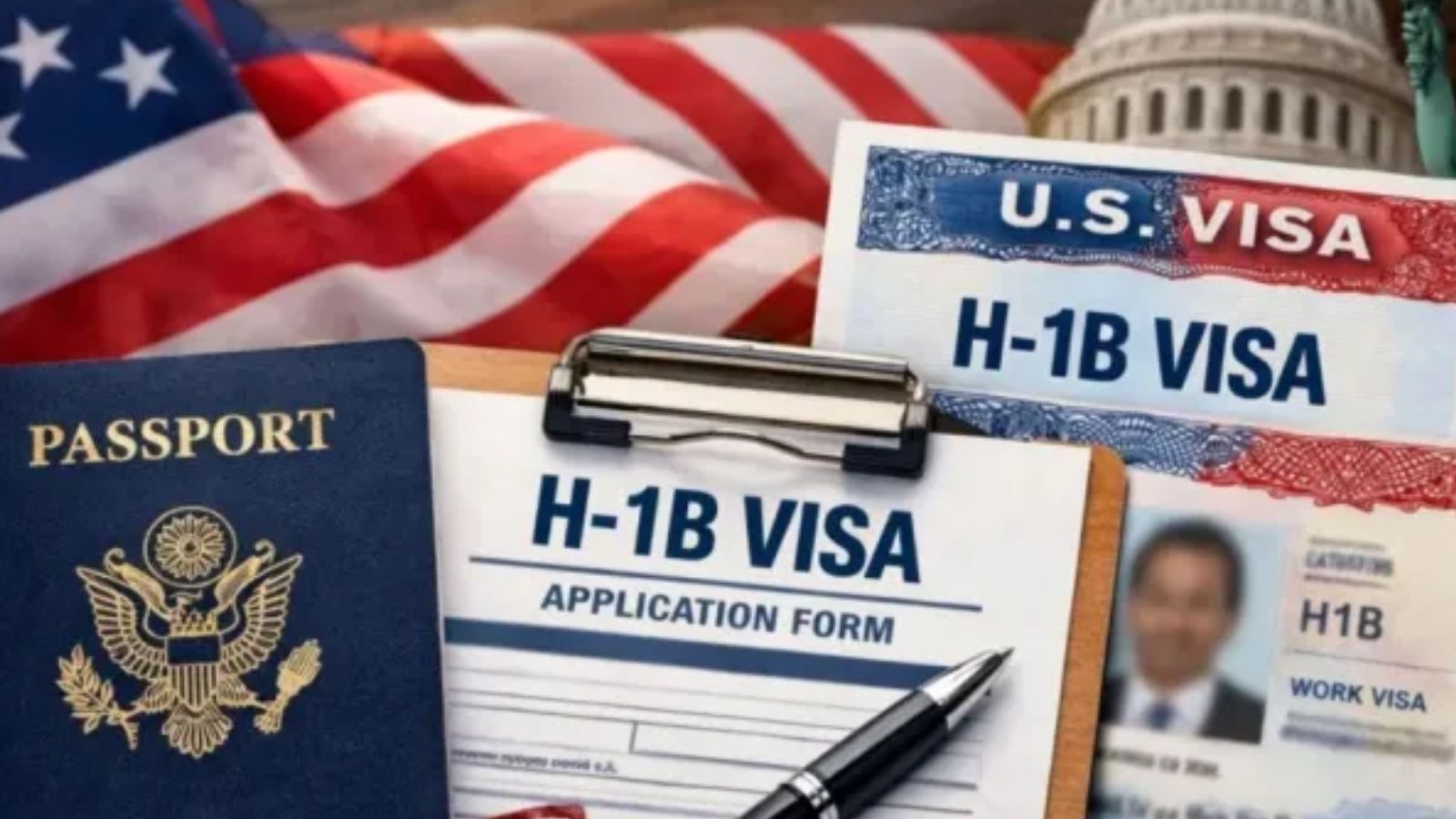
Proposed H-1B Changes Could Tighten Worker and Spouse Protections
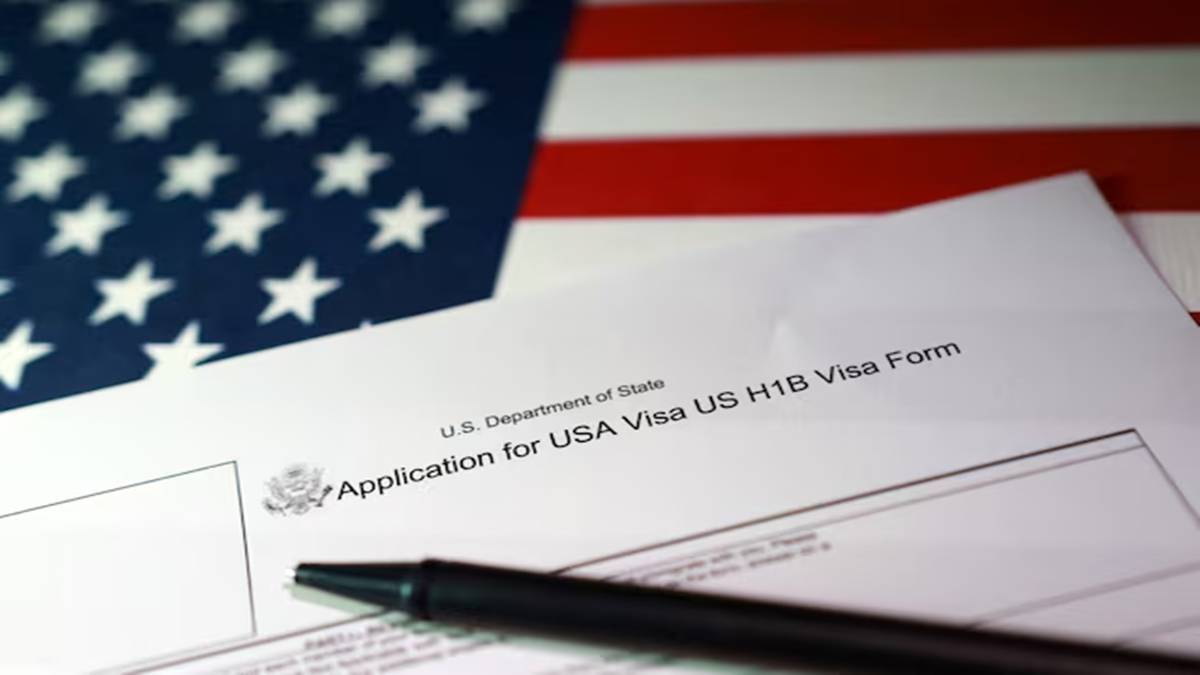
The United States may change several rules for H-1B workers and their families.
H-1B visas let some foreign workers take jobs in the United States.
Today, many workers who lose their jobs can remain for up to 60 days while seeking another job or preparing to leave.
A proposal could remove that 60-day safety period, although it is not final.
Another proposal could make it harder for H-4 spouses to get permission to work.
Employers may also face a proposed fee of $103,265 for each H-1B petition subject to the annual cap.
This fee is separate from a previously announced $100,000 charge.
Beginning in fiscal year 2027, higher-paid and higher-skilled applicants will receive an advantage in the selection process.
The wage-based selection change is implemented, while the other proposals are still under review.

The Office of Management and Budget is reviewing a proposal that could eliminate the current 60-day grace period after certain employment-based workers lose their jobs.
The grace-period proposal is not final, and the current 60-day rule remains in effect until a regulation is published.
The Department of Homeland Security is considering ending employment authorization eligibility for H-4 spouses of H-1B workers.
DHS has proposed a $103,265 fee for every H-1B cap-subject petition, separate from a previously announced $100,000 fee.
Starting in fiscal year 2027, USCIS will use weighted selection favoring higher-paid and higher-skilled H-1B applicants while retaining opportunities at all wage levels.
- Who
- The Trump administration, the Department of Homeland Security, U.S. Citizenship and Immigration Services, H-1B workers, H-4 spouses, and U.S. employers.
- What
- The United States is considering or implementing changes to H-1B grace periods, H-4 spouse work authorization, employer fees, and visa selection.
- Where
- The changes concern employment-based immigration and work authorization in the United States.
- When
- The grace-period and H-4 proposals are under review; weighted selection begins in fiscal year 2027.
- Why
- The stated goal is to lower the priority of H-1B visas for employers and encourage hiring American workers.
Key facts
- Current grace period
- Eligible workers generally have up to 60 days after employment ends, or until their authorized validity period ends if sooner.
- Grace-period proposal
- The Office of Management and Budget is reviewing a proposal to remove the 60-day period for certain employment-based workers and dependents.
- H-4 work authorization
- The Department of Homeland Security is proposing to eliminate employment authorization eligibility for H-4 spouses of H-1B workers.
- Proposed DHS fee
- $103,265 for every H-1B cap-subject petition, including petitions eligible for the advanced-degree exemption.
- Previously announced fee
- A separate September 2025 proclamation announced a $100,000 fee for covered H-1B petitions submitted after September 21, 2025.
- Selection change
- Starting in fiscal year 2027, USCIS will use weighted selection favoring higher-paid and higher-skilled workers while maintaining opportunities at all wage levels.
Sources
Related news
Trump Administration Proposes Ending 60-Day H-1B Grace Period

H-1B Grace Period Could End After US Layoffs

Trump Administration Proposal Could End H-1B Grace Period

Proposed H-1B Grace-Period End Raises Indian Worker Concerns
Trump Administration Revives Plan Targeting H-4 Spouse Work Permits
US Considers Ending H-4 Spouse Work Permits, Indians Hit Hardest

Lewandowski Faces Questions Over Influence and Side Deals at DHS
Trump H-1B Fee Proposals Could Hit Indian Workers Hard
DHS Secretary’s Jet Loses Engine, Makes Safe Emergency Landing
