3 hrs ago
Russia and China Veto Iran Sanctions Panel Extension
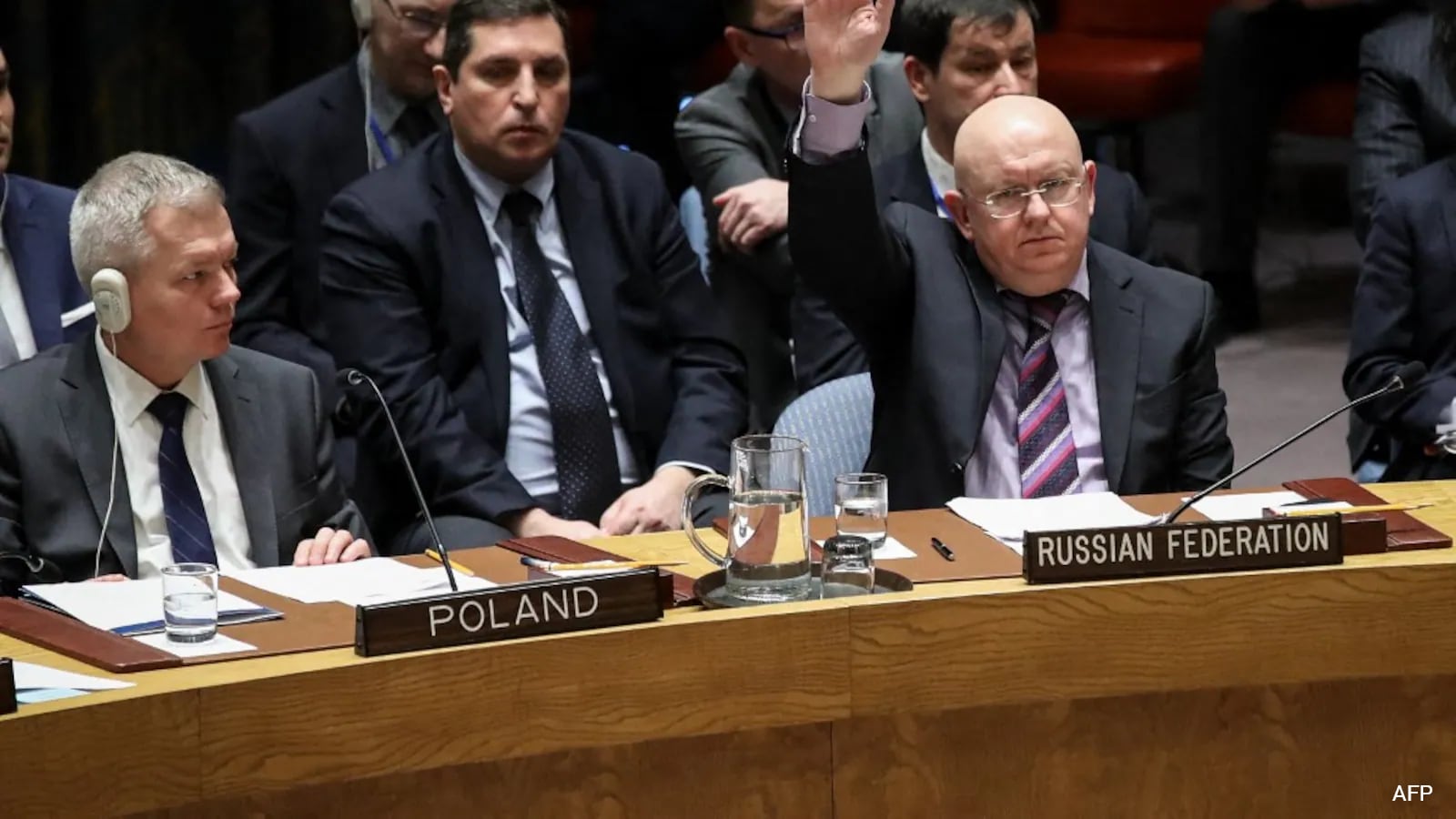
The United Nations has a group of experts that checks whether sanctions on Iran are being followed.
Russia and China voted against extending the group’s work.
Eleven countries voted for the extension, while Pakistan and Somalia abstained.
The group’s current mandate is scheduled to end on September 26.
The sanctions on Iran will still remain in place after that date.
Russia says the sanctions were brought back illegally and that the expert group should not continue.
The United Kingdom, Denmark, France and the United States disagree and say monitoring is needed.
They point to Iran’s uranium enrichment and limits on international inspections.
Iran thanked Russia and China for blocking the proposal.

Russia and China vetoed a U.S.-drafted resolution to extend the UN panel monitoring sanctions on Iran.
Eleven Security Council members supported the proposal, while Pakistan and Somalia abstained.
The panel’s mandate is due to expire on September 26, but the sanctions themselves remain in force.
Russia said the 2025 snapback mechanism was illegal and that the panel therefore lacked a legal basis.
The United Kingdom, Denmark, France and the United States said independent monitoring remains important amid concerns over Iran’s nuclear activities.
- Who
- Russia and China vetoed the resolution; 11 Security Council members supported it, while Pakistan and Somalia abstained. U.S., Russian, British, Danish and French representatives stated opposing positions.
- What
- The UN Security Council voted on a U.S.-drafted proposal to extend the mandate of experts monitoring sanctions on Iran.
- Where
- The vote took place at the United Nations Security Council. A related IAEA General Conference was held in Vienna.
- When
- The vote took place on Thursday, and the panel’s mandate is due to expire on September 26. The sanctions were described as having been reimposed on September 27, 2025.
- Why
- Russia and China opposed the proposal because they reject the legal validity of the 2025 snapback mechanism, while the United States and European countries support monitoring sanctions implementation and Iran’s nuclear obligations.
Russia, China and Iran
United States and European States
Legal status of sanctions
Russia, China and Iran
Russia says the 2025 snapback mechanism was illegal or was not successfully triggered, so the relevant sanctions resolutions and monitoring bodies lack a legal basis. Iran called the proposal a political abuse of the Security Council.
United States and European States
The United States, the United Kingdom, France and other supporters treat the sanctions as valid and continuing to apply to UN member states.
Role of the expert panel
Russia, China and Iran
Russia rejects the legitimacy of the sanctions committee and expert panel and says political and diplomatic efforts should address concerns about Iran’s nuclear program.
United States and European States
The United States and Denmark say an independent panel provides impartial, evidence-based information and helps identify sanctions violations and implementation gaps.
Iran’s nuclear activities
Russia, China and Iran
Russia says Western countries are using the nuclear issue to pressure Iran and should pursue efforts that respect Iran’s rights.
United States and European States
The United Kingdom, Denmark and the United States cite Iran’s uranium enrichment, limited cooperation with the IAEA and the lack of verification of its enriched-uranium stockpile as reasons for continued pressure and monitoring.
Key facts
- Vote result
- The resolution failed after Russia and China vetoed it; 11 members voted in favour and Pakistan and Somalia abstained.
- Panel deadline
- The panel’s mandate is due to expire on September 26.
- Sanctions status
- UN sanctions on Iran remain in effect, including measures involving asset freezes, arms deals and ballistic-missile development.
- Panel origin
- The panel was established under UN Security Council Resolution 1929 in 2010.
- Snapback dispute
- The United Kingdom, France and Germany triggered the snapback mechanism in 2025, while Russia says it was not legally valid.
- Nuclear concerns
- The articles cite Iran’s enrichment of uranium to 60% and the inability of UN nuclear inspectors to verify its stockpile after strikes on Iranian nuclear sites.
- Related U.S. action
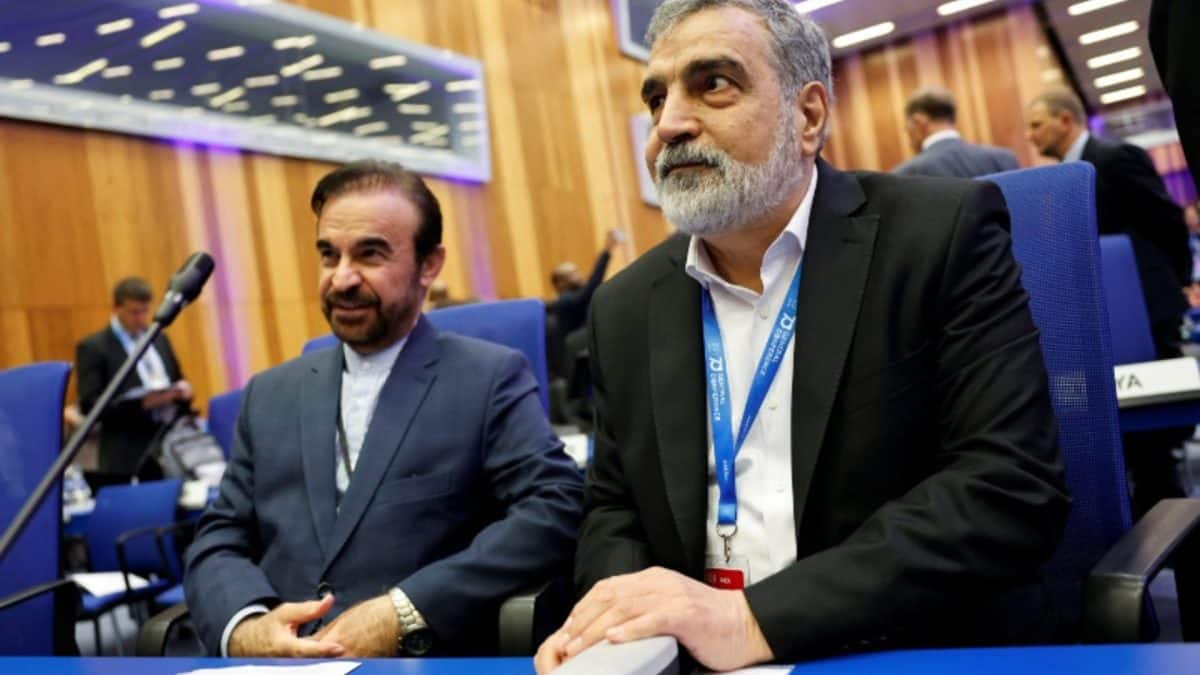
- The United States blocked Iranian nuclear chief Mohammad Eslami from attending an IAEA General Conference in Vienna, citing travel restrictions linked to the snapback mechanism.
Quotes
Iran’s UN mission
Iranian diplomatic mission to the United Nations
“prevented yet another cynical attempt by the United States and its allies to abuse the Security Council for their political purposes.”
 NDTV
NDTV
“decided to opt for confrontation.”
NDTV
Jennifer Locetta
US deputy ambassador to the United Nations
“Without an independent panel of experts, this council loses its principal source of impartial, evidence-based reporting on sanctions violations, creating a monitoring gap that only benefits the Iranian regime and those who profit from evading those measures.”
NDTV
Sources
Related news

UN Security Council Faces Iran Sanctions Panel Renewal Showdown

Iran Nuclear Impasse Deepens After U.S. Wins IAEA Vote
Iran Nuclear Chief Blocked From IAEA Meeting After US Objection
US Allies Seek UN Referral Over Iran Nuclear Access

Iranian Nuclear Chief Blocked From IAEA Vienna Conference
Iran vows resistance as US expands sanctions and seeks talks
World Bank Makes Nuclear Energy Financing a Priority
Saudi Arabia Reports 110 Million Tonnes of Uranium-Bearing Ore
Saudi Arabia Reports Uranium-Rich Ore Discovery Amid Nuclear Debate