2 hrs ago
Exotic Pet Trade Raises Growing Human Health Risks
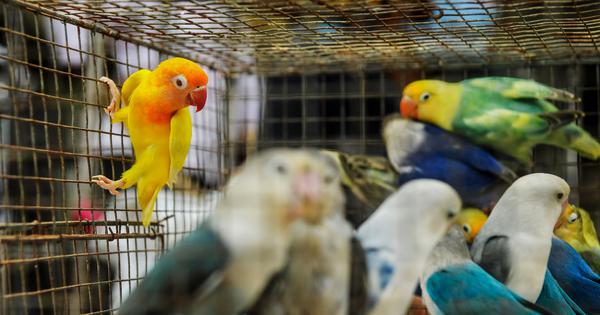
Exotic pets can sometimes carry germs that make people sick.
Birds may spread a disease called psittacosis, while reptiles can carry Salmonella.
Primates, rodents and other animals can carry additional diseases.
Smuggled animals may not be checked by veterinarians before reaching people.
Long journeys and stressful conditions can make animals more likely to spread germs.
People can be exposed through bites, scratches, droppings, cages, food, water or breathing droplets.
Petting zoos and animal displays may create more opportunities for close contact.
Experts say legal quarantine and careful handling can reduce these risks.
They want governments, veterinarians and health officials to work together to prevent future outbreaks.

Experts warn that exotic-animal trade can spread diseases from wildlife to people.
Psittacosis, salmonellosis, tuberculosis, leptospirosis and avian influenza are among the cited risks.
Illegal trade can bypass quarantine and disease testing, while transport stress may increase pathogen shedding.
Petting zoos, pet cafes and public animal displays can increase close contact with potentially infected wildlife.
Experts call for stronger research, regulation, quarantine and a coordinated One Health response.
- Who
- Veterinarians, conservation researchers, animal-welfare experts, authorities and people handling or displaying exotic animals are involved.
- What
- Experts are warning that the exotic-pet and wildlife trade creates pathways for zoonotic disease transmission and may pose growing risks to public health and wildlife.
- Where
- The risks discussed include India, international wildlife-trade routes, and facilities such as borders, pet cafes, petting zoos and public events.
- When
- The article cites evidence and incidents through June 2026, including a July 2025 turtle seizure and a 2024 psittacosis case in India.
- Why
- Close contact, illegal trafficking, inadequate screening, transport stress and weak quarantine or surveillance can allow pathogens to cross between animals and humans.
Public-Health Precaution
Education and Regulated Access
Public contact with exotic animals
Public-Health Precaution
Researchers and animal-welfare experts warn that pet cafes, petting zoos and public displays can normalise close contact and increase exposure to pathogens, especially when facilities are unregulated.
Education and Regulated Access
Operators of animal-display facilities argue that seeing and touching animals can help children develop compassion and learn about wildlife.
Current controls
Public-Health Precaution
Experts say illegally trafficked animals may bypass screening and quarantine, and that border officials and some airports lack adequate facilities and support to handle them safely.
Education and Regulated Access
A representative of ResQ charitable trust says legally imported animals receive health certificates, air-quarantine and clearance after veterinary assessment.
Policy priority
Public-Health Precaution
Researchers call for more investment, research and stronger controls because the exotic-pet trade remains an insufficiently studied disease pathway.
Education and Regulated Access
The article does not identify a specific opposing policy proposal, but it describes regulated facilities with strict medical protocols and continuous veterinary supervision as potentially having lower immediate disease risks.
Key facts
- Key disease example
- Psittacosis, caused by Chlamydia psittaci, is also known as “bird handler’s disease” and can spread from infected birds to people.
- Trade-related finding
- Traded mammals were found to be 1.5 times more likely to share pathogens with humans than non-traded mammals.
- Pathogen review
- A 2021 review of 82 illegal-wildlife-trade studies identified 240 pathogen cases, with more than 60% involving pathogens with known zoonotic potential.
- Reptile trade
- A 2021 study of India’s exotic reptile trade identified 84 species being traded and reported major gaps in CITES reporting.
- Turtle seizure
- In July 2025, Singapore authorities seized 2,500 red-eared sliders bound for India; the turtles tested positive for Salmonella and were euthanised.
- Quarantine process
- Legally imported animals are described as receiving health certificates, air-quarantine and clearance after assessment by a Livestock Development Officer.
- Recommended response
- Experts call for an integrated One Health approach involving research, stronger regulation, improved quarantine and cooperation across sectors.
Quotes
Uttara Mendiratta
Conservation researcher working on illegal wildlife hunting and trade
“One of the biggest concerns regarding primates is that they are closely related to humans. That makes disease transmission between humans and primates easy.”
 scroll.in
“Tuberculosis is increasingly being detected among primates which is a big zoonotic concern.”
scroll.in
Sumanth Bindumadhav
Director of Humane World for Animals India and co-author of the cited report
“It is very risky, particularly from a public health perspective.”
scroll.in
Sources
Related news
India’s Exotic Pet Boom Raises Wildlife Welfare and Safety Concerns
Odisha Orangutan Rescue Exposes India’s Exotic Primate Smuggling Network
Baby Orangutans Expose India’s Hidden Wildlife Trafficking Trade
Odisha Orangutans Highlight Wildlife Trade and Repatriation Challenges

India Expands Wildlife Healthcare Into Global Conservation
DRI Seizes Leopard Pelts, Tortoises and Tiger Bones

Iceland to Consider Permanent Ban on Commercial Whaling

Iceland Plans Permanent Whaling Ban, Isolating Norway and Japan
Horse Smuggling Exposes Gaps in U.S. Screwworm Defenses