2 hrs ago
SaaS and Open Networks Reshape India’s Ride-Hailing Model
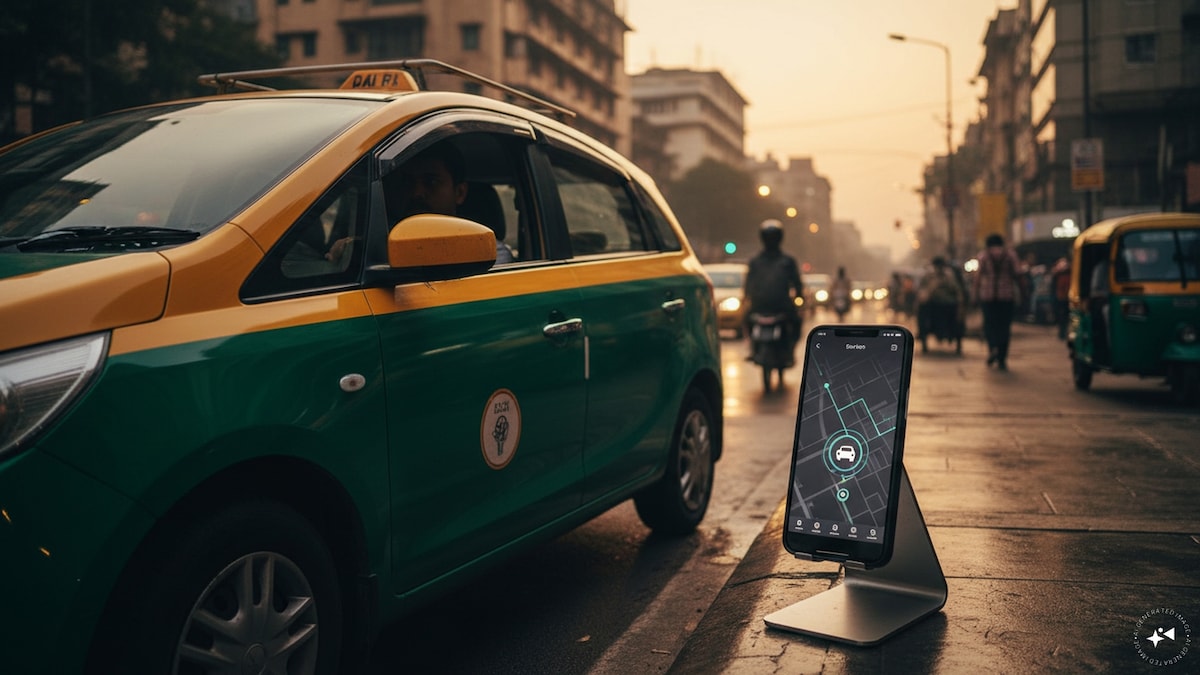
Large ride-hailing companies usually control the app, customers, and payments.
New SaaS services let local taxi and auto businesses use ready-made technology instead.
Open networks can then connect these local vehicles to several different apps.
This may help smaller cities get digital transport without waiting for a large company to build everything there.
Rapido is charging some drivers a fixed daily fee instead of taking a percentage of every ride.
Drivers may keep more money from additional rides, but the platform needs many more drivers and trips to earn enough.
ONDC says its mobility network already reaches about 900,000 drivers in more than 55 cities.
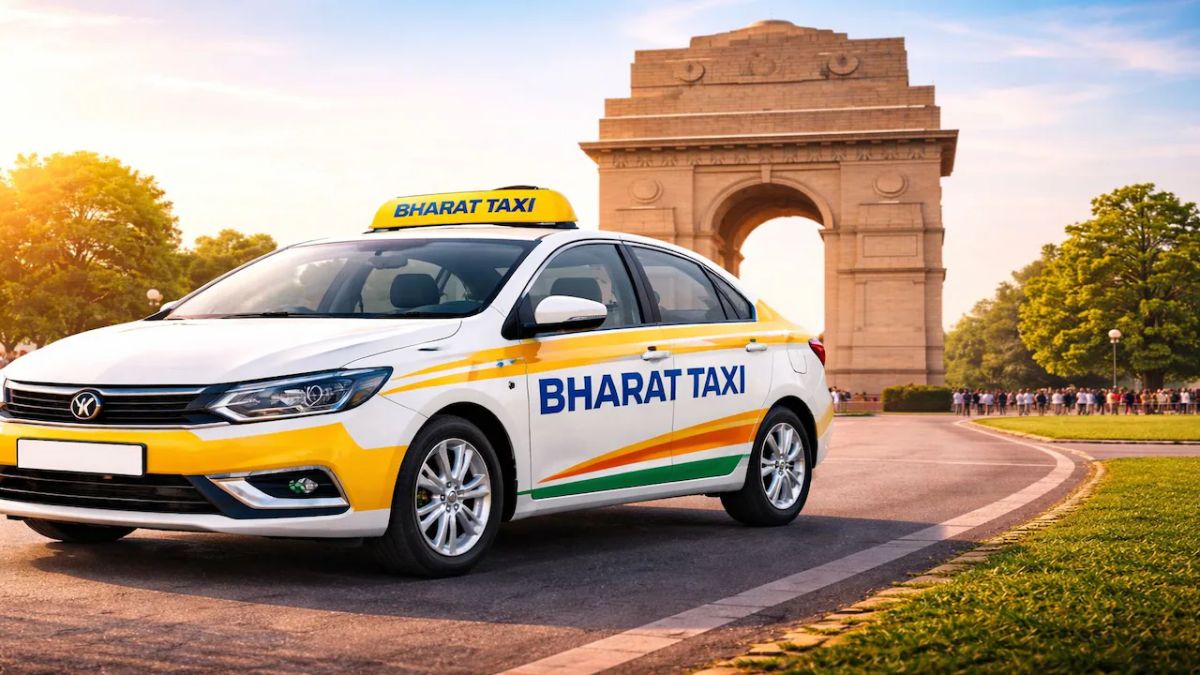
Namma Yatri and Bharat Taxi are also examples of alternative mobility models.
The biggest challenge is making sure rides match reliably and service remains good.

SaaS platforms let local mobility operators use ready-made digital infrastructure instead of building full apps.
Rapido has shifted autos and cabs toward subscription-based access, with fees as low as ₹19 or ₹29 daily.
ONDC says its shared-mobility network supports about 900,000 drivers across more than 55 cities.
Open networks could help Tier-2 and Tier-3 cities connect local supply with multiple customer applications.
The model promises greater driver control but faces challenges involving scale, service quality, and reliable matching.
- Who
- Local fleet owners, independent drivers, SaaS providers, open mobility networks, Rapido, ONDC, Namma Yatri, and Bharat Taxi.
- What
- SaaS platforms and open networks are creating a more distributed alternative to commission-based ride-hailing platforms.
- Where
- India, especially Tier-2 and Tier-3 cities.
- When
- Rapido introduced its auto SaaS model in 2024; other figures cited include data reported through July 25 and August.
- Why
- To lower the technology and market-entry costs of connecting local mobility supply with customers.
Distributed Mobility Model
Traditional Aggregator Model
Driver economics
Distributed Mobility Model
Fixed subscription fees can give drivers more predictable technology costs and allow them to retain fares directly from customers.
Traditional Aggregator Model
Commission-based platforms deduct a percentage of each fare but may provide an established marketplace and customer base.
Expansion into smaller cities
Distributed Mobility Model
SaaS and open networks can let existing local operators digitize fleets without building a full marketplace in every city.
Traditional Aggregator Model
Large aggregators retain advantages in brand recognition, technology, customer density, and operational scale.
Business sustainability
Distributed Mobility Model
Shared infrastructure can expand participation and coverage, but providers must achieve enough scale to sustain low per-user or subscription revenues.
Traditional Aggregator Model
Traditional platforms have higher revenue per transaction but face substantial driver-acquisition, customer-acquisition, technology, operations, and incentive costs.
Key facts
- Rapido pricing
- Driver subscription fees can be as low as ₹19 or ₹29 per day.
- ONDC mobility reach
- ONDC says its shared-mobility network supports about 900,000 drivers across more than 55 cities.
- Bharat Taxi
- The government said Bharat Taxi had nearly 800,000 registered drivers and about 4.1 million customers as of July 25.
- Public transport
- ONDC says its public-transport network connects more than 10,000 buses across over 20 cities and nine metro systems.
- Consumer applications
- ONDC says public-transport ticketing is available through more than 30 consumer applications.
- Core business model
- SaaS providers supply technology, local operators manage vehicles, and open networks connect supply with multiple sources of demand.
Sources
Related news
Bharat Taxi’s Cooperative Model Faces Fierce Ride-Hailing Competition
Traker Crosses 1 Lakh Downloads as Pradeep Khandekar Drives Growth
Ahmedabad Drivers Boycott Aggregators, Back Cooperative Bharat Taxi

Uttar Pradesh Plans Bharat Taxi Expansion Across Districts And Villages
Mumbai Commuters Allege Rapido Overcharging; Transport Department Plans Action

Bharat Taxi launches cooperative ride-hailing service in Chandigarh

Karnataka Finance Department Warns Against Major Projects Amid Fiscal Constraints
Ganesha Somayaji Presents Five Decades of Art in Bengaluru

8th Pay Commission Sets Mumbai Meetings, Applications Due October 10

Jefferies Sees Higher Upside Potential in ITC Hotels