3 days ago
Sanyal Says Jyoti Basu Helped Create Bengaluru’s IT Hub

Sanjeev Sanyal says Kolkata used to be one of India’s most important business cities.
He believes strikes, strong trade unions and government policies made companies less interested in investing there.
He also says many skilled people left Kolkata and helped Bengaluru grow its technology industry.
Kolkata’s income compared with the rest of India has fallen greatly, according to Sanyal.
He says this decline happened over many years.
Still, Kolkata has large-city infrastructure, old institutions and some remaining industrial abilities.
Sanyal thinks Kolkata could become the main growth centre for eastern India.
He also wants it connected with cities such as Bhubaneswar, Ranchi, Patna and Guwahati.
His broader argument is that eastern India needs a large, fast-growing urban hub.

Sanjeev Sanyal said policies and trade-union influence under Jyoti Basu’s West Bengal government weakened Kolkata’s industrial and technology prospects.
He recalled that a strike occurred in Kolkata when International Business Machines was bringing in large mainframe computers, arguing talent subsequently moved to Bengaluru.
Sanyal said Bengal’s per-capita income was 27% above India’s average in 1960-61 but is now more than 20% below it.
He described Kolkata as India’s biggest industrial hub around 1970 and said its economic role was later deliberately undermined.
Sanyal proposed reviving Kolkata first and linking it with Bhubaneswar, Ranchi, Patna and Guwahati to strengthen eastern India’s growth.
- Who
- Economist Sanjeev Sanyal discussed Jyoti Basu, Kolkata’s decline and eastern India’s economic prospects.
- What
- Sanyal argued that Kolkata lost industrial and technology leadership and said Jyoti Basu’s policies indirectly helped Bengaluru become India’s IT hub.
- Where
- Kolkata and West Bengal, with comparisons to Bengaluru and other Indian regional hubs.
- When
- The article discusses developments from 1960-61, around 1970, Basu’s 1977-2000 tenure and the present economic comparison.
- Why
- Sanyal said trade-union influence, strikes and policies discouraged investment, while Kolkata’s revival could help close eastern India’s economic gap.
Critique of Left-Era Policies
Achievements and Historical Context
Industrial and technology decline
Critique of Left-Era Policies
Sanyal said strong trade-union influence, opposition to mainframe computers and other policies discouraged investment and contributed to Kolkata’s decline.
Achievements and Historical Context
The article notes that Basu’s tenure also featured land reforms, stronger panchayati raj institutions and a powerful trade-union movement; it does not provide a direct response from Basu or Left Front representatives.
Bengal’s economic performance
Critique of Left-Era Policies
Sanyal said Bengal fell from having per-capita income 27% above the national average in 1960-61 to more than 20% below it today.
Achievements and Historical Context
The article presents this as Sanyal’s assessment and does not include an alternative explanation or competing data from other experts.
Kolkata’s future
Critique of Left-Era Policies
Sanyal argued that Kolkata must be revived urgently because eastern India lacks a rapidly growing major urban hub.
Achievements and Historical Context
Sanyal also acknowledged that Kolkata retains metropolitan infrastructure, legacy institutions, industrial capabilities and the scale to lead regional growth.
Key facts
- Speaker
- Sanjeev Sanyal
- Jyoti Basu’s tenure
- Chief minister of West Bengal from 1977 to 2000
- Left Front rule
- The Left Front governed West Bengal for 34 uninterrupted years before losing power in 2011
- Income comparison in 1960-61
- Bengal’s per-capita income was 27% higher than India’s national average, according to Sanyal
- Current income comparison
- Sanyal said Bengal’s per-capita income is now more than 20% below the national average
- Proposed growth hub
- Sanyal identified Kolkata as the starting point for eastern India’s revival
- Potential connected cities
- Bhubaneswar, Ranchi, Patna and Guwahati
Quotes

Sanjeev Sanyal
Economist discussing Kolkata’s economic decline and the effects of its past policies.
“It has the infrastructure of a metropolis. It has legacy institutions. It has the sheer bulk. Despite 50 years of decline, there are still some industrial capabilities. And some memory of a time of having been a major economic hub.”
 businesstoday.in
“There are many activities that were hubbed out of Kolkata. In fact, India's information technology hub...a lot of it was based out of Kolkata. It was all deliberately undermined.”
businesstoday.in
Sources
Related news
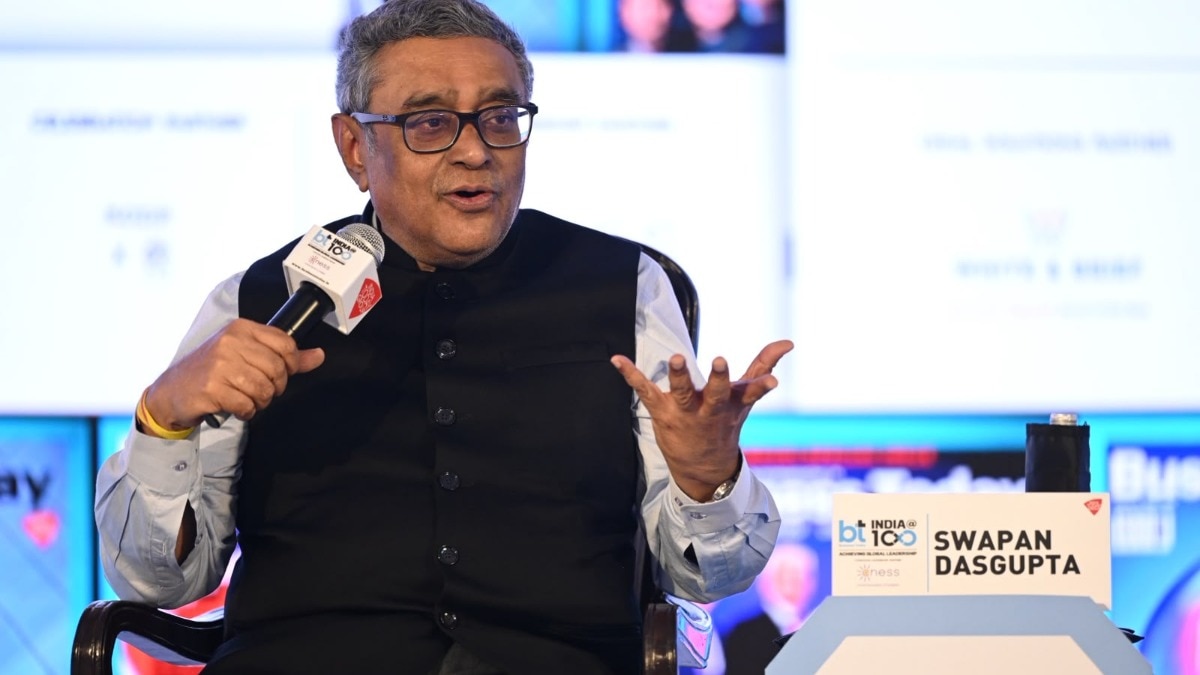
West Bengal Finance Minister Warns of Decades-Long Economic Decline
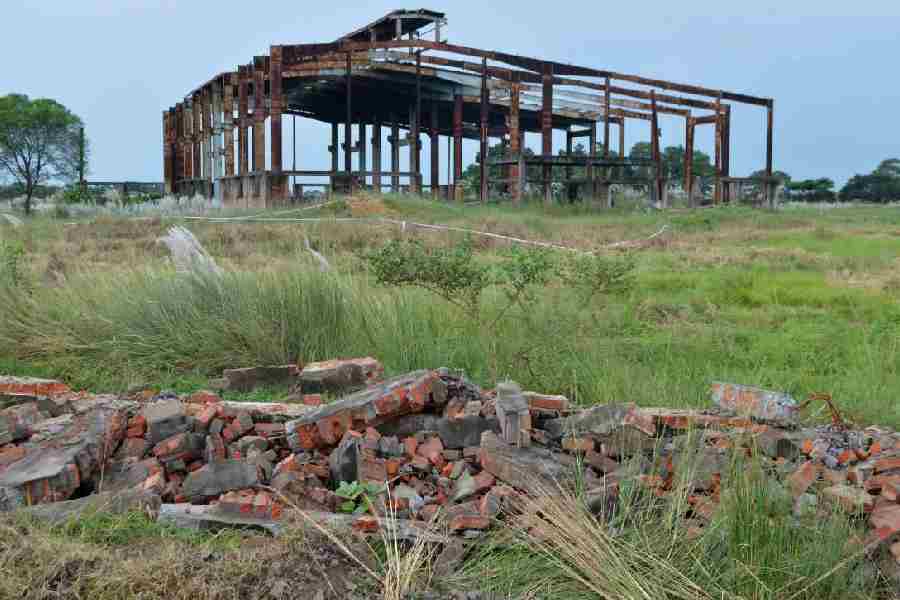
CII maps new opportunities for Bengal's economic revival across sectors
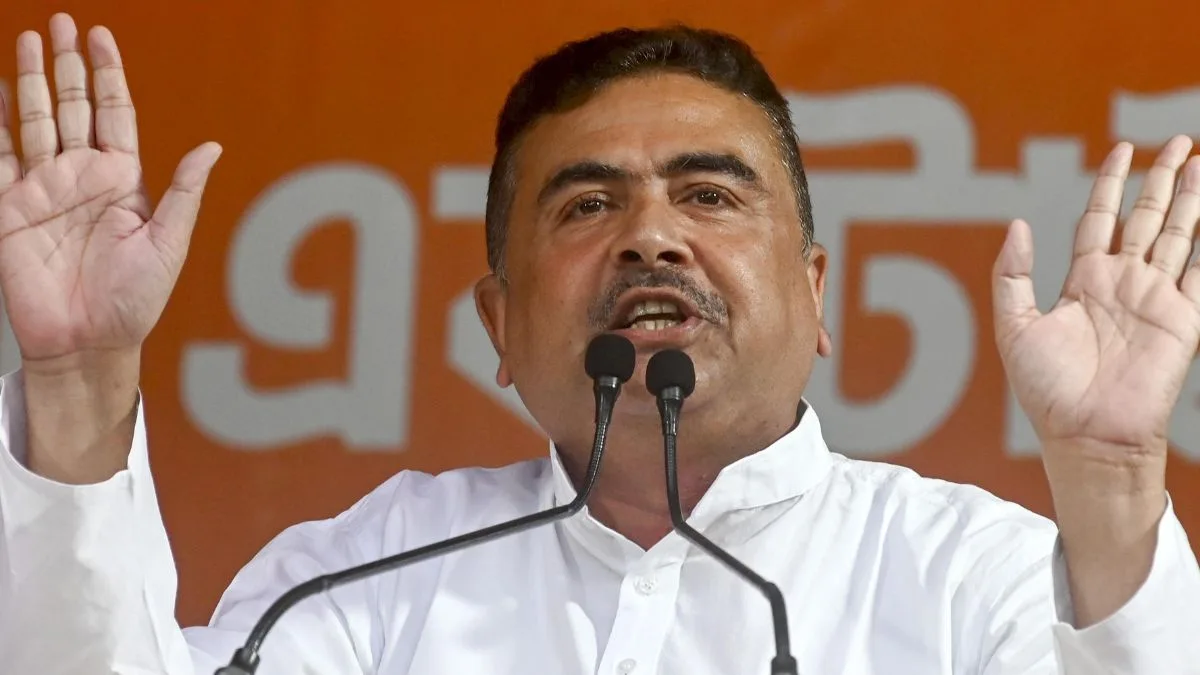
Bengal’s New BJP Government Faces Test Beyond Victory
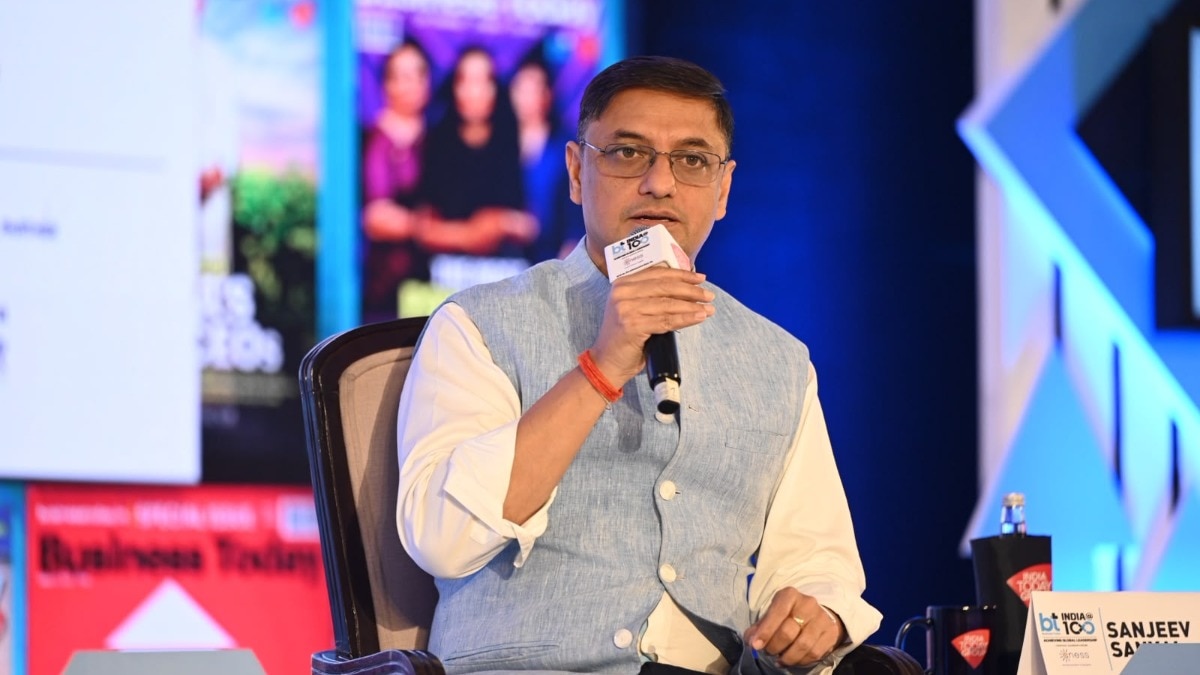
Sanjeev Sanyal Says Kolkata Should Anchor Eastern India’s Growth

Bengal plans jobs-led industrial policy to stem skilled worker exodus

Birla Group returns to Bengal; summit pledges to be audited

Delhi High Court Bars Maternity-Based Demotion at Work

AIM Summit 2026 to Convene Marketing Leaders Across India

Ten Indian, Indian-Origin Names Featured on TIME100 AI 2026

Kerala Teen Leads AI Startup While Paying Father ₹2 Lakh