1 hr ago
Why Removing Chief Election Commissioner Gyanesh Kumar Takes Time

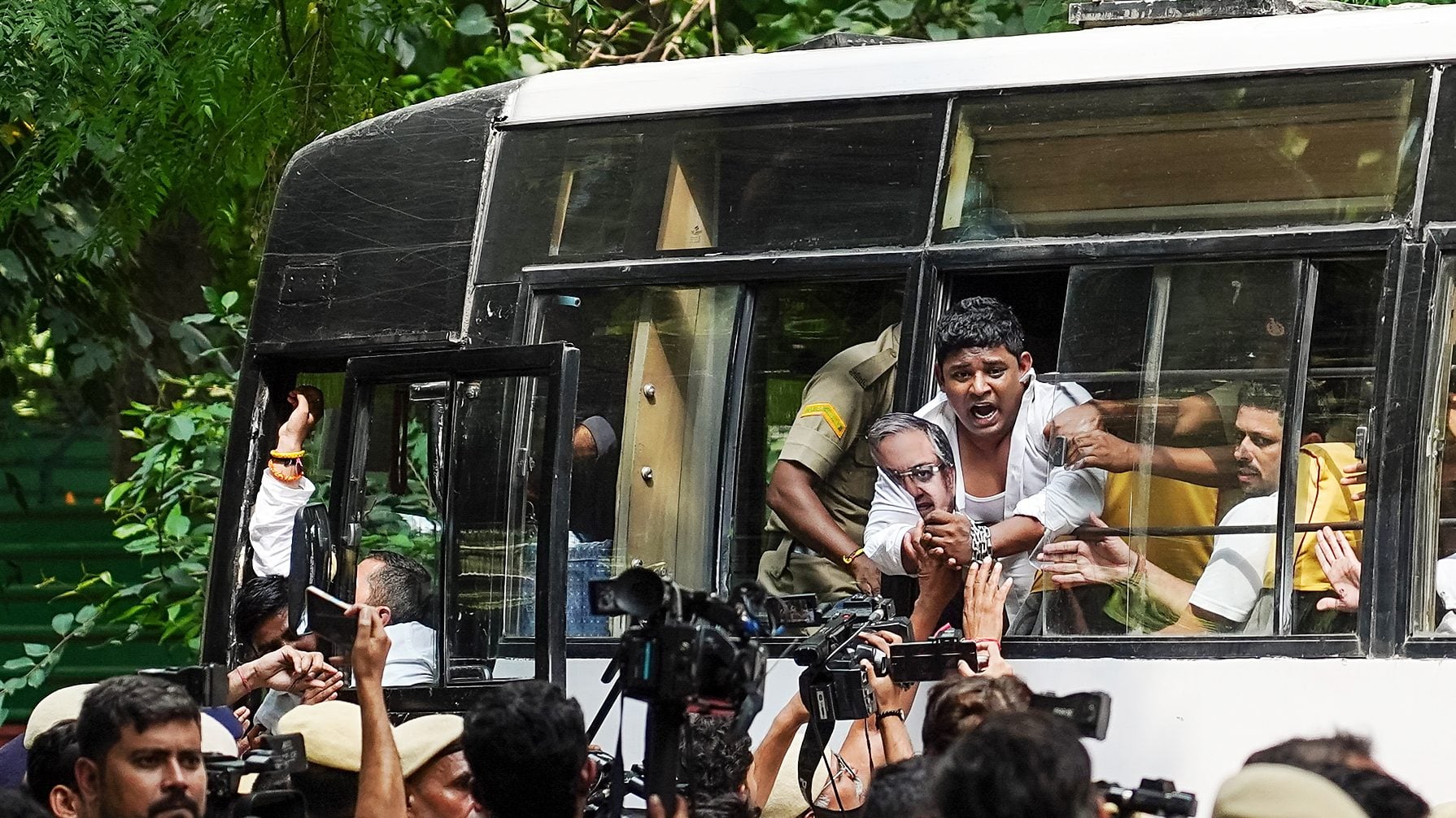
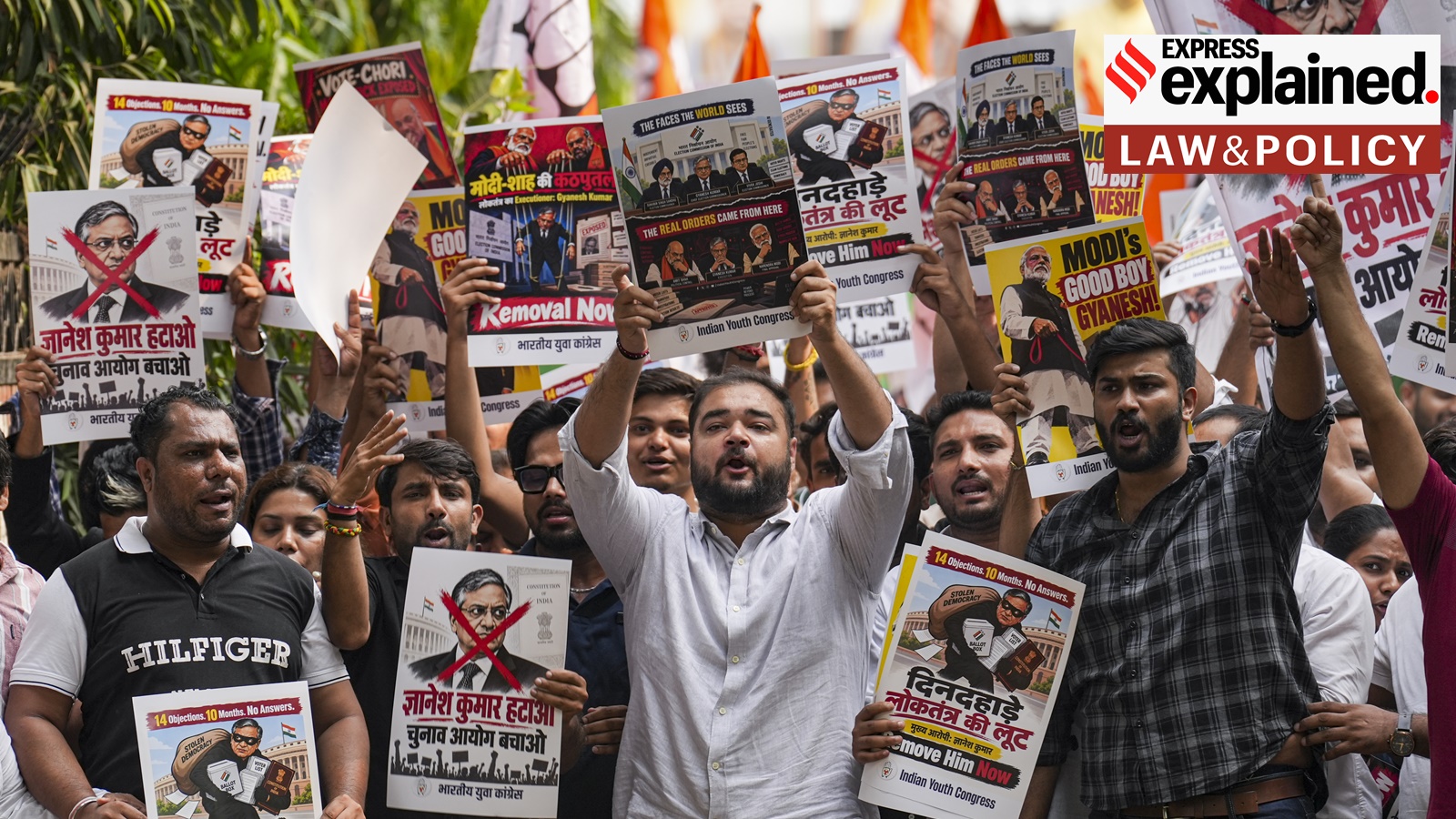
Some opposition politicians want Chief Election Commissioner Gyanesh Kumar to resign.
They are concerned about reported disagreements among the Election Commissioners over changes to Form-6.
They may also try to begin an impeachment process in Parliament.
However, removing a Chief Election Commissioner is difficult and takes several steps.
First, lawmakers must collect enough signatures to submit a motion.
Senior parliamentary officials must decide whether to accept it.
If accepted, a special committee investigates the allegations.
The committee must find misbehaviour or incapacity, not just disagreement or a possible procedural mistake.
Both Houses of Parliament must then approve removal before the President can issue the final order.

The opposition is demanding Chief Election Commissioner Gyanesh Kumar’s immediate resignation over reported differences among Election Commissioners concerning Form-6 amendments.
Opposition parties are considering an impeachment motion, but beginning the process requires signatures from 100 Lok Sabha members or 50 Rajya Sabha members.
The motion must first be admitted by the Lok Sabha Speaker or Rajya Sabha Chairman before a formal inquiry can begin.
An inquiry committee would assess whether the CEC committed misbehaviour or suffers from incapacity, the stated constitutional grounds for removal.
Both Houses of Parliament must approve the removal motion by specified majorities before the President can issue a removal order.
- Who
- The opposition, Chief Election Commissioner Gyanesh Kumar, the other Election Commissioners, Parliament, and the President of India.
- What
- The opposition is seeking Gyanesh Kumar’s resignation and may pursue an impeachment motion over reported differences concerning amendments to Form-6.
- Where
- The proposed process would take place through the Lok Sabha, Rajya Sabha, an inquiry committee, and the President of India.
- When
- At the present stage, before any reported impeachment motion has completed the required process.
- Why
- The opposition is raising questions about the procedure, authority, and decision-making surrounding the reported Form-6 changes.
Opposition’s Position
Constitutional Process View
Immediate accountability
Opposition’s Position
The opposition is demanding Gyanesh Kumar’s immediate resignation and is seeking to make the reported Form-6 dispute a major political issue.
Constitutional Process View
The reported differences and any procedural lapses do not automatically establish the constitutional grounds for removal.
Impeachment effort
Opposition’s Position
Opposition parties may collect signatures and move an impeachment motion in Parliament if the required support is secured.
Constitutional Process View
The process requires admission by the presiding officer, a formal inquiry, proof of misbehaviour or incapacity, approval by both Houses, and a Presidential order.
Political response
Opposition’s Position
The opposition is using parliamentary and public political pressure to demand answers over the decision-making process.
Constitutional Process View
The article characterizes the current campaign as political popularity contest and street politics rather than a completed legal removal case.
Key facts
- Official targeted
- Chief Election Commissioner Gyanesh Kumar
- Disputed issue
- Reported differences among the three Election Commissioners over amendments to Form-6
- Lok Sabha signatures required
- 100 members
- Rajya Sabha signatures required
- 50 members
- Inquiry committee
- A Supreme Court judge, a High Court Chief Justice, and a prominent jurist
- Removal grounds
- Misbehaviour or incapacity
- Final authority
- The President issues the removal order after both Houses approve the motion
Sources
Related news
Opposition Seeks Gyanesh Kumar’s Removal Through Parliamentary Motion
Opposition Plans Fresh Impeachment Motion Against CEC Gyanesh Kumar

CEC Gyanesh Kumar Faces Scrutiny Over Removal Motion
Opposition Escalates Impeachment Push Against CEC Over SIR Dispute
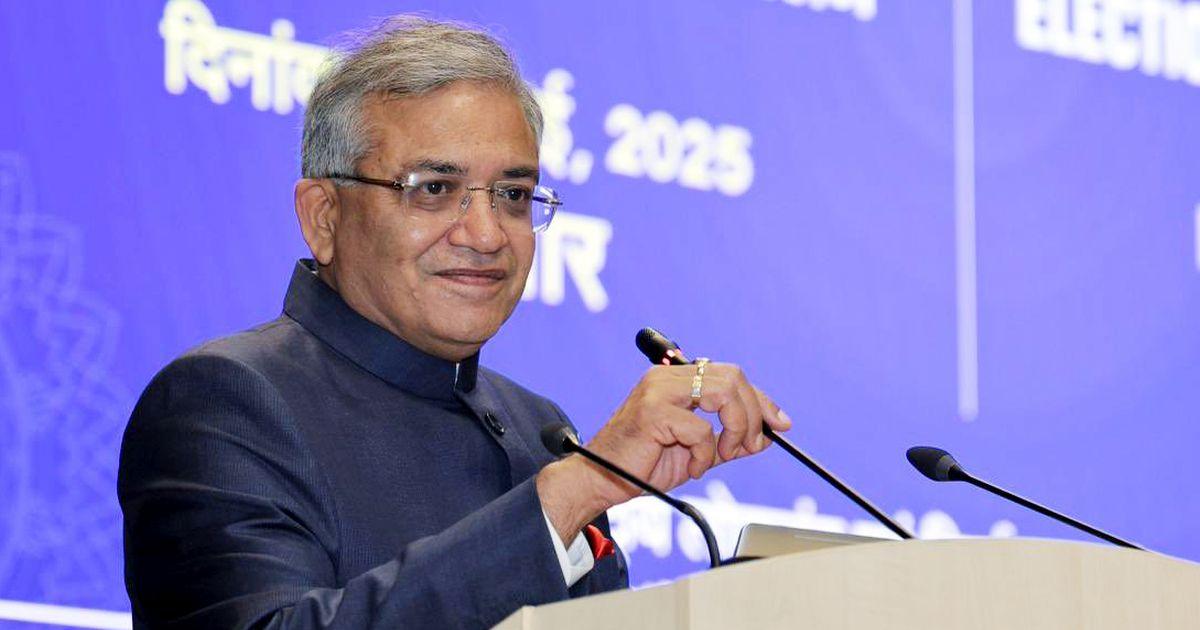
Opposition Plans Third Motion to Remove Election Chief
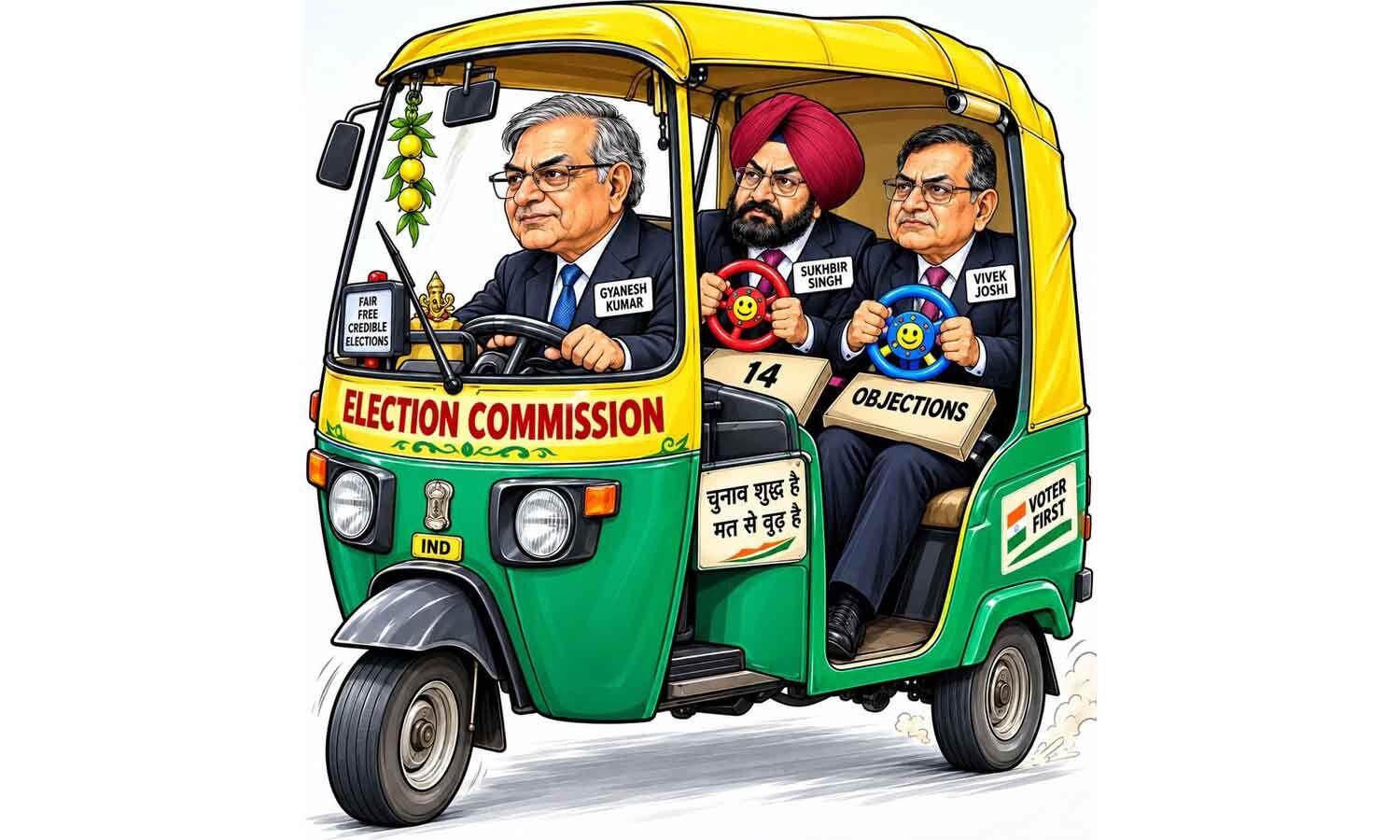
Opposition Demands CEC Gyanesh Kumar’s Removal Over SIR Dissent

Congress Accuses Election Commission Over ‘Mark VIP’ Voter Feature
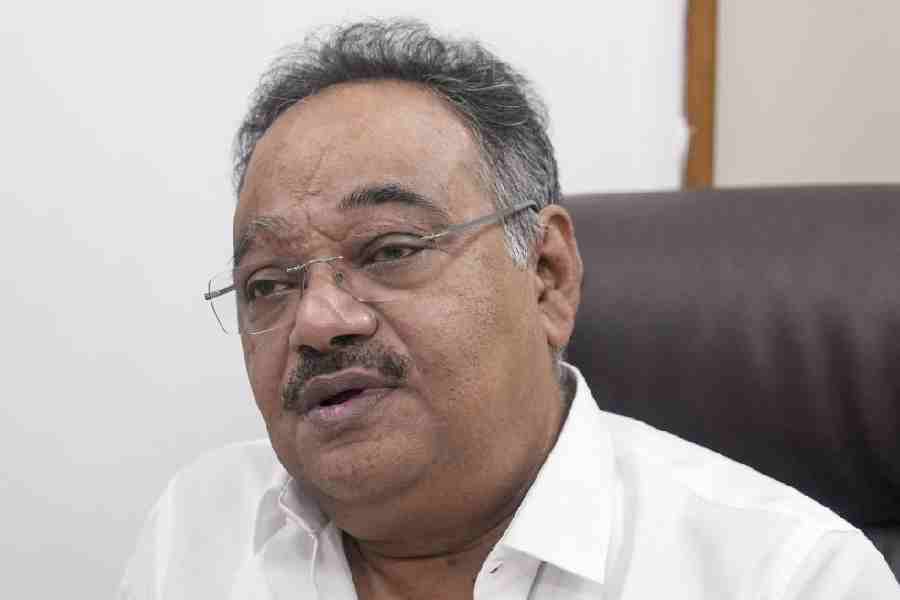
Bengal BJP Chief Praises Gyanesh Kumar Amid Election Commission Row
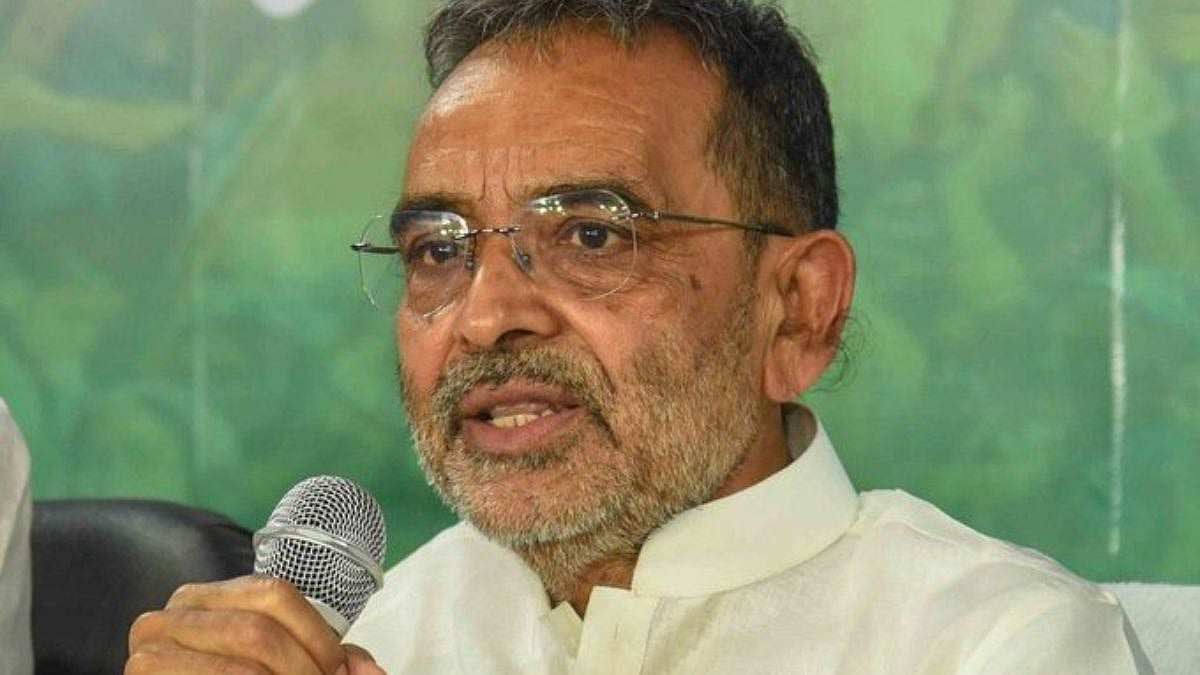
NDA Allies Seek Election Commission Clarity Over SIR Controversy
Election Commission Silence Deepens Dispute Over Form 6 Changes