

3 weeks ago
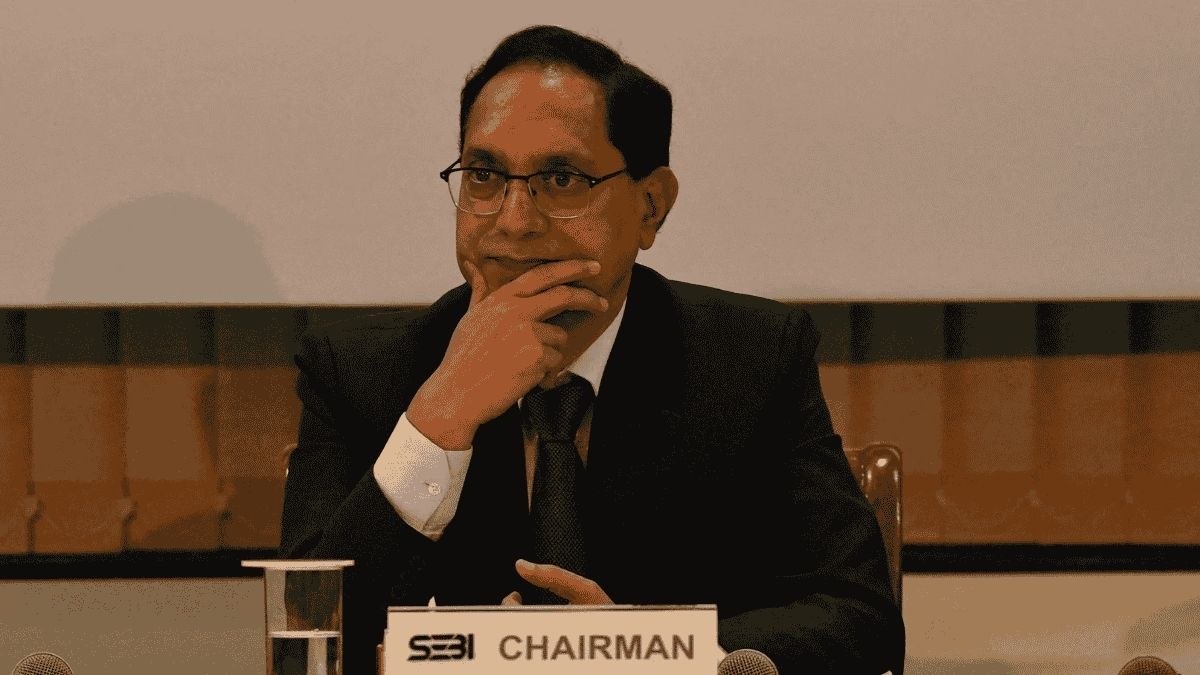
SEBI Chairman: More participation key for closing auction success
When a big shopping day ends, stores sometimes use a special way to decide the final prices of things.
In India, the stock market has a new rule called the closing auction.
It helps decide the official price of shares when the market closes.
The man in charge of the market rules, Mr. Tuhin Kanta Pandey, says this new way needs more people to take part.
He also says showing everyone the possible closing price ahead of time helps investors feel more sure.
Before, sneaky traders could change the price at the very last second.
The new rule uses a surprise finish, so it is harder to cheat.
Lots of mutual funds have already joined, with their numbers growing from about 7 in 100 to more than 20 in 100.
This helps funds that copy big indexes know what their shares are worth.
Mr. Pandey asked everyone to be patient while the new rule gets settled.

SEBI Chairman Tuhin Kanta Pandey said increased participation and effective display of indicative prices are the biggest keys to the success of the closing auction session (CAS).
Speaking at the Global Commodity Conclave in Mumbai, he described CAS as a micro-structural reform already implemented in developed markets including Japan, USA, Germany, Australia and Europe.
Mutual fund participation in CAS rose from about 7% to above 20%, helping passive funds calculate NAVs at a single price and reduce tracking errors.
Pandey said the random close in CAS reduces manipulation risks caused by last-minute trades having a disproportionate impact on closing prices.
He noted that the magnitude of spikes during CAS has reduced on both BSE and NSE benchmark indices and said the regulator may tweak the framework if required.
- Who
- Tuhin Kanta Pandey, Chairman of SEBI (Securities and Exchange Board of India)
- What
- Addressed the factors key to the success of the closing auction session (CAS) mechanism, including participation and indicative price display, and outlined plans for FPI and commodity market reforms.
- Where
- Global Commodity Conclave organized by Multi Commodity Exchange (MCX), Mumbai
- When
- Date not specified in the article
- Why
- To explain how CAS can succeed, defend it against investor concerns over price spikes, and highlight regulatory efforts to ease doing business for FPIs and develop the commodity market.
Concerned market participants
SEBI / the regulator
Price spikes during closing auctions
Concerned market participants
Investors questioned the spikes seen in benchmark indices during closing auction sessions and face uncertainty about the new mechanism.
SEBI / the regulator
SEBI said the magnitude of spikes has already reduced on BSE and NSE, blamed the earlier system for enabling manipulation, and asked participants to be patient.
Adoption of the new mechanism
Concerned market participants
The new closing auction mechanism needs time for investors to understand, and more platforms showing indicative prices are required to allay doubts.
SEBI / the regulator
CAS is a proven reform in developed markets, participation by mutual funds and proprietary traders is rising, and the regulator may tweak the framework if required.
Key facts
- Speaker
- Tuhin Kanta Pandey, SEBI Chairman
- Event
- Global Commodity Conclave organized by Multi Commodity Exchange (MCX)
- Location
- Mumbai
- Mutual fund participation in CAS
- Rose from about 7% to above 20%
- Markets where CAS is implemented
- Japan, USA, Germany, Australia, Europe
- Benchmark indices mentioned
- BSE and NSE
- Key benefits cited
- Lower tracking errors for passive funds and reduced manipulation risk
- Regulator
- Securities and Exchange Board of India (SEBI)
Quotes

Tuhin Kanta Pandey
Chairman of the Securities and Exchange Board of India
“"The earlier system increased the chances of manipulation due to last minute trades having a disproportionate impact on the closing price, making transaction execution difficult. The random close in CAS helps to reduce such manipulations."”
 financialexpress.com
Sources
Related news

SEBI Defends Closing Auction Transition, Says System Improves Price Discovery
SEBI Finds No Manipulation In New Closing Auction System

SEBI Warns of Immediate Action Against CAS Manipulation
SEBI Rules Out Immediate Changes to Closing Auction Session

Sebi Chairman Says Closing Auction Session Here to Stay

SEBI Warns Immediate Action Against Closing Auction Manipulation

Ikea cuts European prices as cost pressures weaken demand

Europe's Bond Selloff Deepens as Middle East Tensions Lift Oil

China’s Rapid Car Development Faces Growing Safety Scrutiny
CNG Prices Rise Rs 2 per Kilogram in Pune

China Challenges US Leadership in Escalating Global AI Contest
