3 weeks ago
SEBI Finds No Manipulation In New Closing Auction System
Stock markets in India have a new way of deciding the closing price of a stock each day.
The new way is called the Closing Auction Session.
During a special 20-minute window, the exchange collects all the buy and sell orders.
The closing price is set at the level where the most shares can be traded.
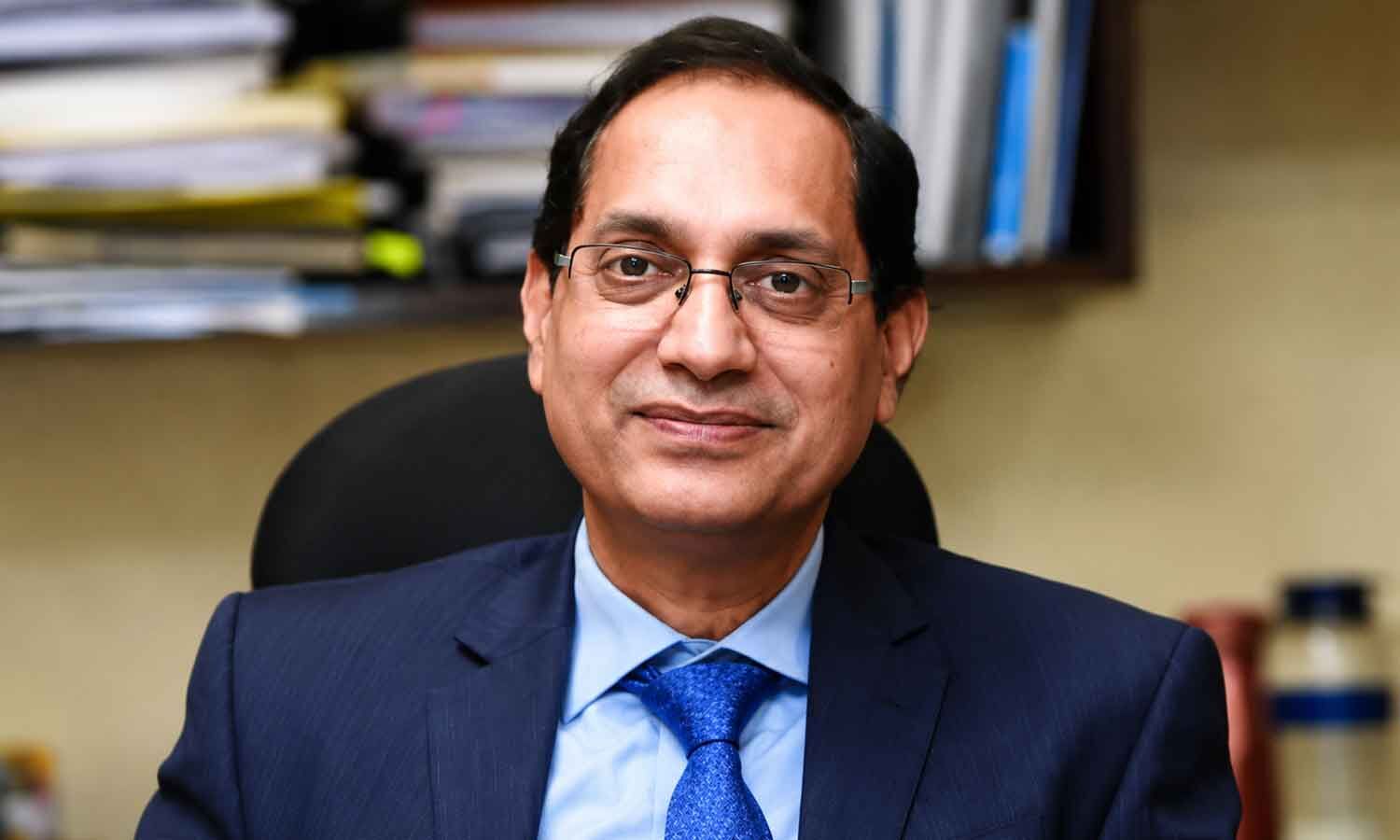
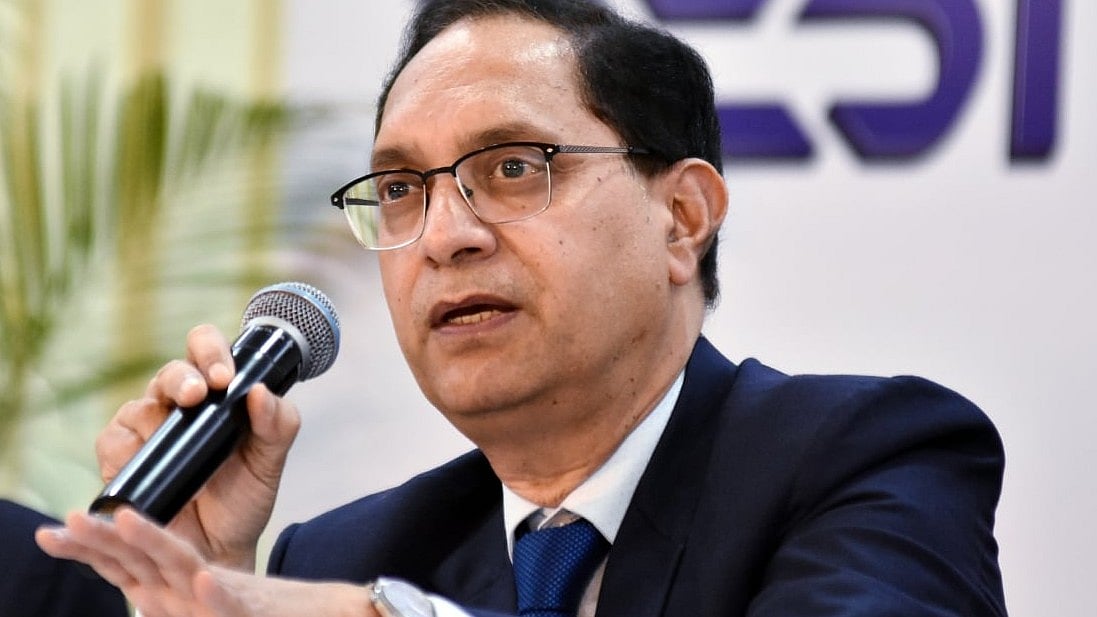
The person in charge of watching the markets, SEBI Chairman Tuhin Kanta Pandey, says no cheating has been found so far.
The old system used the average price from the last 30 minutes of trading.
With the old system, one single small trade near the end of the day could unfairly change the closing price.
That trick is called 'marking the close.'
SEBI says people just need time to get used to the new system, and early problems have already gotten much better.
It will keep watching the markets and can make changes if needed.

SEBI Chairman Tuhin Kanta Pandey said on August 12 that no evidence of manipulation has been found in the new Closing Auction Session (CAS).
The CAS is a 20-minute trading period that determines stock closing prices at a level where maximum trading volume can be executed.
The new system replaced the earlier VWAP-based closing price method, which used the final 30 minutes of regular trading.
Initial discrepancies, including those observed on August 3, have reduced significantly for both the Sensex and Nifty.
SEBI said the main challenge is not transparency but familiarity and participation, and it may modify the framework if necessary.
- Who
- SEBI, led by Chairman Tuhin Kanta Pandey, along with investors, brokers and other market participants.
- What
- SEBI found no evidence of manipulation in the new Closing Auction Session (CAS), which sets stock closing prices through a 20-minute auction.
- Where
- India, with the announcement made at an event in Mumbai.
- When
- Announced on August 12; initial discrepancies, including those seen on August 3, have since reduced significantly.
- Why
- To prevent manipulation such as 'marking the close' and to align Indian markets with global closing auction practices.
SEBI / Regulators
Traders
Closing price reliability
SEBI / Regulators
The new system prevents practices like 'marking the close' and provides a reliable closing price where a single small trade cannot disproportionately influence the market.
Traders
Some traders raised concerns over lower participation and possible losses during the transition period.
Transition performance
SEBI / Regulators
SEBI says initial discrepancies, including those seen on August 3, have reduced significantly for both the Sensex and Nifty.
Traders
Traders remain concerned about possible losses while trading algorithms and systems designed around the earlier methodology adjust to the new mechanism.
Participation levels
SEBI / Regulators
SEBI sees the main challenge as familiarity and participation, and expects more brokers displaying indicative prices to encourage wider participation.
Traders
Some traders have raised concerns over lower participation in the closing auction system.
Key facts
- Regulator
- Securities and Exchange Board of India (SEBI)
- SEBI Chairman
- Tuhin Kanta Pandey
- System
- Closing Auction Session (CAS)
- Session duration
- 20 minutes
- Replaced
- VWAP-based closing price (final 30 minutes of trading)
- Announcement date
- August 12
- Markets using closing auctions
- Japan, Hong Kong, US, Germany, Australia
- Main challenge
- Familiarity and participation, not transparency
Sources
Related news

SEBI Rules Out Immediate Changes to Closing Auction Session

Sebi Chairman Says Closing Auction Session Here to Stay

SEBI Warns Immediate Action Against Closing Auction Manipulation

SEBI Defends Closing Auction Transition, Says System Improves Price Discovery

SEBI Warns of Immediate Action Against CAS Manipulation

SEBI's Closing Auction Session Sparks Debate Over Market Readiness

SEBI Seeks Clarification Before Advancing NSE IPO Approval

MSCI Rebalance Drives Record NSE Closing Auction Turnover

SEBI Seeks Clarifications Before Deciding on NSE IPO
Somaiya urges SEBI to suspend and redesign CAS

Kirit Somaiya Urges SEBI to Suspend and Redesign CAS