3 weeks ago
AI Boom Drives PC Makers to Buy Chinese Memory Chips
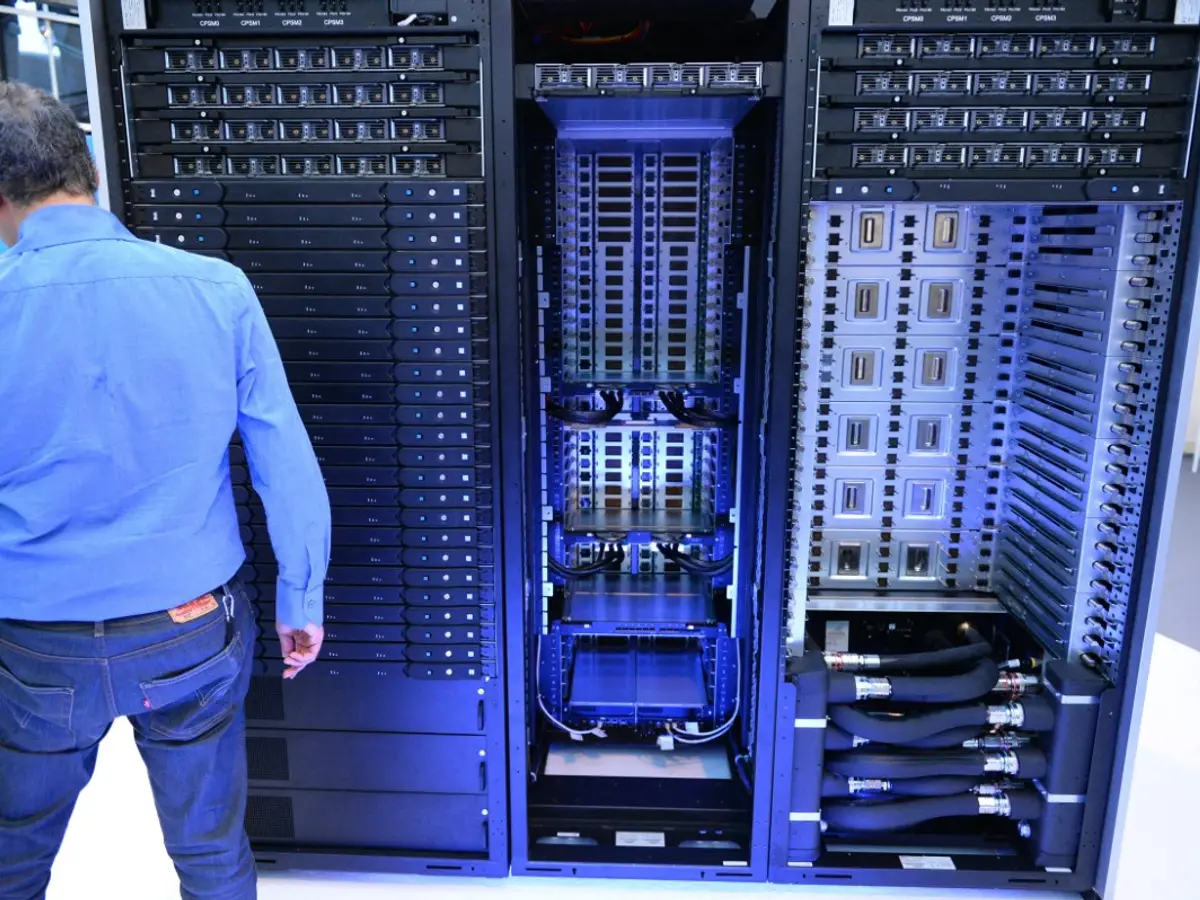
Computers need special parts called memory chips to remember information.
Right now, there are not enough memory chips for everyone.
That is because artificial intelligence, or AI, uses a huge number of memory chips.
Computer makers like Acer, Asus and HP need these chips to build laptops.
Their usual suppliers are sold out, so they are now buying chips from China.
Chinese chip companies were often kept out of Western supply chains before.
The shortage has made memory chips about three times more expensive.
Chinese chip makers are earning much more money than before.
They are building new factories so they can make even more chips starting in 2027.
Higher chip prices can also make laptops cost more for shoppers.

Acer, Asus and HP have started using limited quantities of DRAM from China's ChangXin Memory Technologies (CXMT) in their notebook computers, with Dell weighing the same move.
AI data centre construction is expected to absorb roughly 70 per cent of all memory chip production in 2026.
DRAM costs have tripled over the past eighteen months, and Samsung has warned the shortage could persist into 2028.
CXMT estimated its first-half 2026 net profit at 52-58 billion yuan, up as much as 2,530 per cent year-on-year.
CXMT and Yangtze Memory Technologies (YMTC) are undertaking aggressive capacity expansions, with equipment installation planned for the second half of 2026 and production starting in 2027.
- Who
- Western PC makers Acer, Asus and HP (with Dell considering it) and Chinese memory chip suppliers ChangXin Memory Technologies (CXMT) and Yangtze Memory Technologies (YMTC).
- What
- AI-driven demand has consumed so much of the world's memory chip supply that Western PC makers have started buying DRAM from Chinese suppliers that US policy had tried to keep out of Western supply chains.
- Where
- Globally: Chinese memory chip makers supplying Western notebook manufacturers, with demand driven by AI data centre construction worldwide.
- When
- Reported in 2026, after DRAM costs tripled over the previous eighteen months; expanded Chinese capacity is expected to start production in 2027.
- Why
- AI data centres are expected to absorb roughly 70 per cent of memory chip production in 2026, making memory scarce and expensive and leaving consumer PC makers with few alternatives.
Supply-Chain Security
Market Pragmatism
Chinese memory chips in Western laptops
Supply-Chain Security
United States policy has spent years trying to keep Chinese memory makers like CXMT and YMTC out of Western supply chains, and admitting their chips into Western products undermines that effort.
Market Pragmatism
With AI absorbing roughly 70 per cent of memory production and DRAM prices tripled, PC makers have few alternatives, and Chinese memory currently absorbs some of the price increase rather than passing it on in full.
Effectiveness of technology restrictions
Supply-Chain Security
Restrictions such as the United States ban on imports of new Chinese humanoid robots can keep Chinese products out of US markets.
Market Pragmatism
Policy has a harder time changing who has the capacity to build things when demand outruns domestic supply, as Chinese manufacturers still ship the majority of the world's humanoids.
Key facts
- PC makers buying CXMT DRAM
- Acer, Asus, HP; Dell weighing
- DRAM price change
- Tripled in past 18 months
- AI share of 2026 memory output
- ~70%
- CXMT H1 2026 net profit estimate
- 52-58 billion yuan (up to 2,530% YoY)
- Samsung shortage forecast
- Could persist into 2028
- Combined 2026 capex (Amazon, Alphabet, Meta, Microsoft)
- ~$740 billion
- Expanded capacity production start
- 2027
Sources
Related news
Apple tests China's CXMT memory chips for iPhones and MacBooks
RAMageddon: AI-driven memory crunch squeezes global and Indian technology firms
Trump administration pushes Apple to avoid Chinese memory chips
AI Demand Drives 500% RAM Surge Across Business
Nvidia Customers Face Reported AI Server Price Hikes Above 15%
SK Hynix bets hundreds of billions on AI memory factories

Social Media Companies Intensify Efforts to Identify Child Users

Yorkville America Expands Beyond Trump-Linked ETFs With AI Strategy
Meta’s $18-Billion Child Safety Settlement Faces Praise and Criticism

School Awards Honour Courage, Commitment and Educational Excellence

AI Expansion Puts Jamnagar and Thane Under Water Stress