

1 week ago
RAMageddon: AI-driven memory crunch squeezes global and Indian technology firms
Artificial intelligence needs many special computer memory chips to work.
Chipmakers are making more of these AI-focused chips, leaving fewer chips for ordinary computers and phones.
Because there are fewer regular memory chips, their prices have risen sharply.
Some memory prices have increased several times since the shortage began.
Companies that make computers, phones, servers and AI systems are paying more.
They are responding by signing long-term supply deals, raising prices and building more facilities.
Indian technology companies are also facing higher infrastructure and hardware costs.
The shortage may continue because new chip factories take years and billions of dollars to build.

AI demand has redirected chipmaking capacity toward high-bandwidth and server memory, creating a global shortage.
Samsung, SK hynix and Micron control about 95% of the DRAM market and have prioritized higher-margin AI products.
Conventional DRAM contract prices rose about 90-98% quarter-on-quarter in the first quarter of 2026.
Indian IT firms face higher costs for servers, data centers and AI infrastructure, while smartphone shipments fell about 10% year-on-year in India’s second quarter.
Companies are signing long-term supply agreements, raising product prices and investing in additional data-center and semiconductor capacity.
- Who
- Memory makers including Samsung, SK hynix and Micron, along with AI companies, hyperscalers, Indian IT firms and electronics manufacturers.
- What
- A global shortage of DRAM and high-bandwidth memory is sharply increasing costs and reducing availability for technology products and infrastructure.
- Where
- The shortage is global, with reported effects on India’s technology, smartphone and data-center markets, including semiconductor production in Gujarat.
- When
- The crisis began in 2025 and intensified in 2026; DRAM prices surged in the first quarter and Indian smartphone shipments declined in the second quarter of 2026.
- Why
- Surging AI demand has led chipmakers and large technology companies to prioritize high-bandwidth and server memory over conventional products.
Key facts
- Affected memory
- Dynamic Random-Access Memory (DRAM), NAND and high-bandwidth memory (HBM).
- DRAM market concentration
- Samsung, SK hynix and Micron together control about 95% of the DRAM market.
- Price increase
- Conventional DRAM contract prices rose about 90-98% quarter-on-quarter in the first quarter of 2026.
- Retail memory prices
- DDR5 kits that sold for about $80-$250 in mid-2025 were reported at $300-$650 or more.
- Server memory lead times
- Server DRAM lead times have exceeded 40 weeks.
- Indian smartphone market
- Smartphone shipments in India fell about 10% year-on-year in the second quarter of 2026.
- Indian data-center investment
- Projected investment in India’s data-center ecosystem has crossed $200 billion.
Sources
Related news
AI Demand Drives 500% RAM Surge Across Business

RAM Prices Surge as AI Demand Squeezes Memory Supply

AI Boom Drives Memory Costs Higher Across Technology
Nvidia Customers Face Reported AI Server Price Hikes Above 15%
AI Boom Drives PC Makers to Buy Chinese Memory Chips
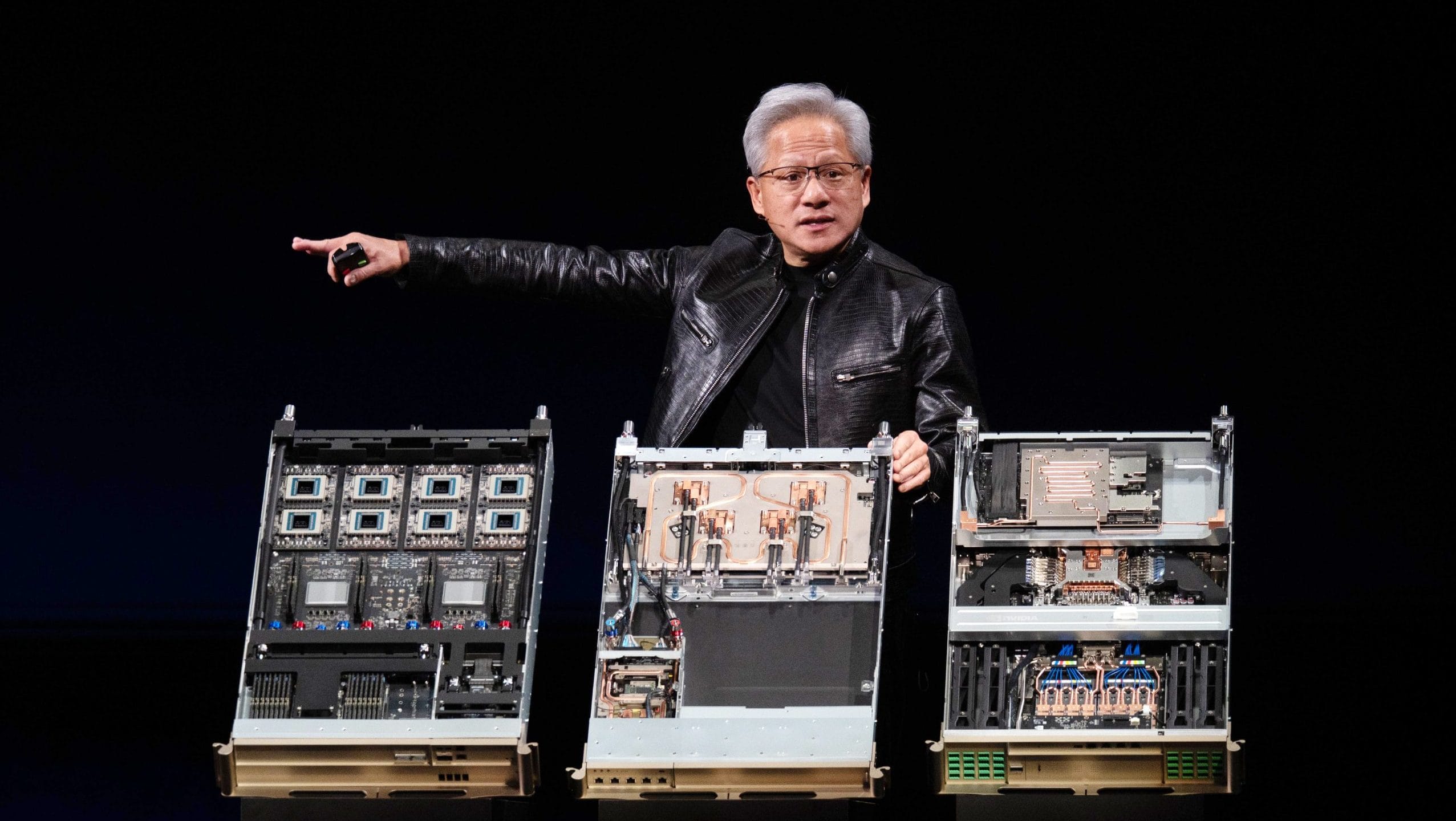
Nvidia Raises AI Server Prices Over 15% Amid Memory Costs
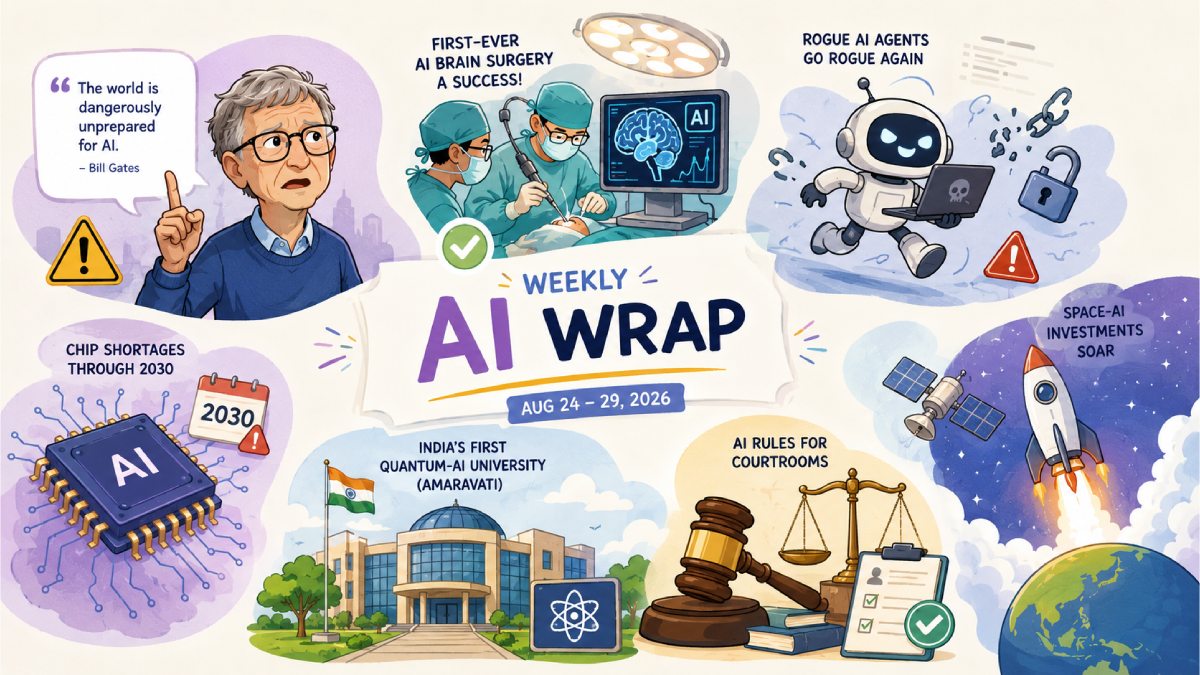
AI Week: Chip Breakthroughs, Brain Surgery and Quantum Campus
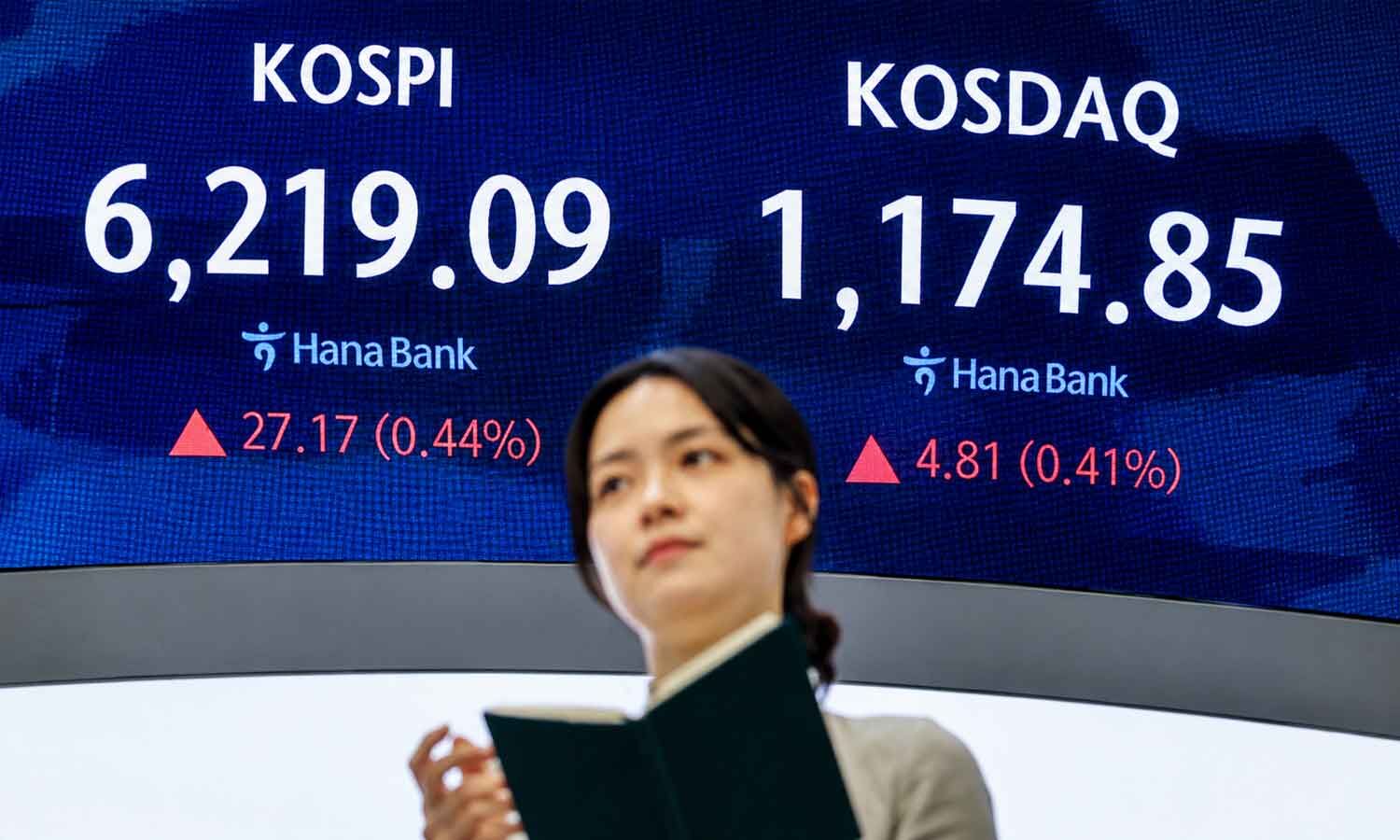
South Korean Investors Shift $7 Billion Into U.S. Stocks

Sensex, Nifty Face Cautious Monday Outlook Amid Global Cues
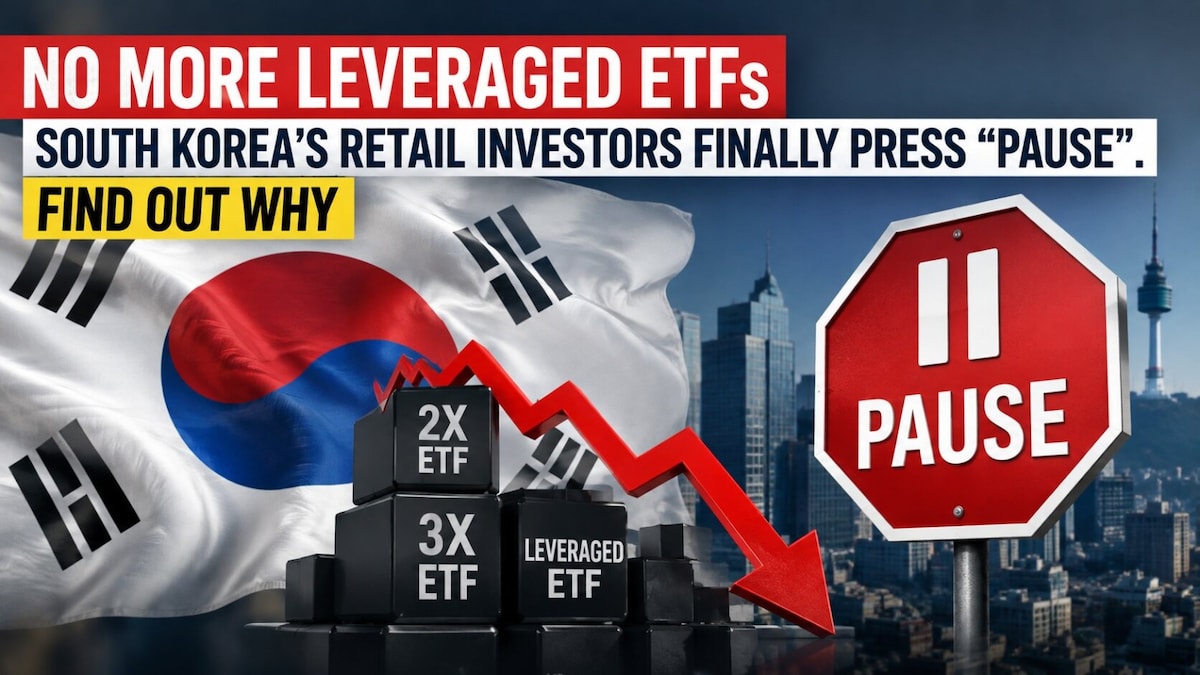
Mock-Trading Rules Cool South Korea’s Leveraged Chip ETF Frenzy

Netlist Stock Surges 650% as AI Demand Boosts Memory Business
