0 months ago
RBI Says Polymer Notes to Enter Circulation Next Financial Year

The Reserve Bank of India is the big bank that takes care of money in India.
The leader of that bank, Sanjay Malhotra, said India may soon get new plastic money.
Plastic money is made of a strong plastic material instead of the cotton paper used today.
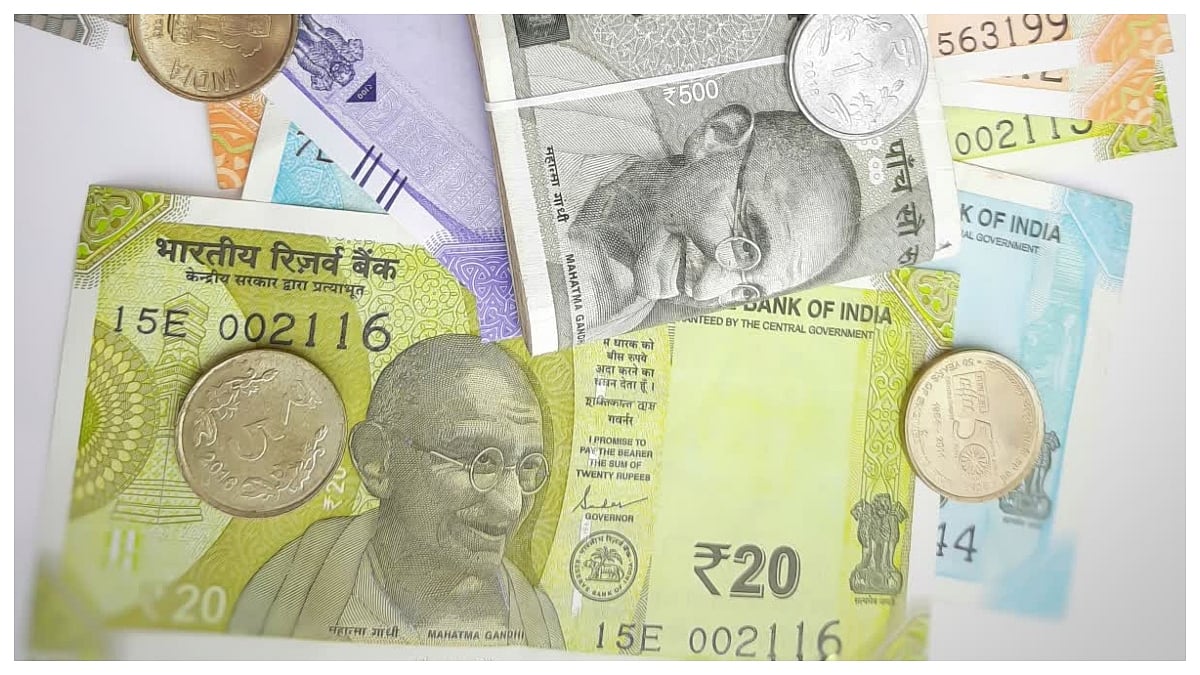
The new notes will be in small amounts of 10 and 20 rupees.
Before giving them to everyone, the bank will test them to make sure they work well in India's weather.
Plastic notes last much longer than paper notes, about three to four times longer.
Other countries have been using plastic money for more than 30 years.
If everything goes well, people may see these notes at the beginning of the next financial year.
But paper money will still be used too.
The plastic notes are only for a few types of money, not for all of it.

RBI Governor Sanjay Malhotra said polymer notes are targeted to enter circulation at the beginning of the next financial year (FY28) if the pilot goes as planned.
The RBI is testing polymer notes under Indian conditions, climate and infrastructure before deciding on a full-scale rollout.
Polymer banknotes generally last three to four times longer than paper currency and have been used in various countries for over 30 years.
Last month, the government approved RBI's proposal to introduce one billion polymer notes each in ₹10 and ₹20 denominations for field testing.
The RBI clarified that existing cotton-based paper notes will continue to circulate and polymer currency will initially be limited to selected denominations.
- Who
- Reserve Bank of India (RBI) Governor Sanjay Malhotra
- What
- Announced that India's first polymer (plastic) currency notes in ₹10 and ₹20 denominations are targeted for circulation at the beginning of the next financial year
- Where
- India
- When
- Announced Wednesday, August 5, 2026, following the Monetary Policy Committee meeting; circulation targeted for the beginning of the next financial year (FY28)
- Why
- Polymer notes last three to four times longer than paper currency, suit lower denominations that wear out faster due to high circulation velocity, and expand capacity as the economy's needs increase
Key facts
- Issuer
- Reserve Bank of India (RBI)
- Proposed Denominations
- ₹10 and ₹20
- Target Circulation
- Beginning of next financial year (FY28), pending pilot results
- Field Testing Supply
- One billion polymer notes each in ₹10 and ₹20 denominations
- Government Approval
- Proposal approved by the government last month
- Expected Lifespan
- 3-4 times longer than paper currency notes
- Substrate Tender
- Tender floated by RBI subsidiary BRBNMPL for polymer substrate
- Existing Currency
- Cotton-based paper notes will remain in circulation
Quotes

Sanjay Malhotra
Governor of the Reserve Bank of India
“‘We are targeting that they (polymers) are in circulation, if everything goes as per plan, in the beginning of the next financial year.'”
 news18.com
Sources
Related news

Government approves polymer banknote trials for Rs 10, Rs 20

Government approves polymer ₹10, ₹20 banknotes, says FM Sitharaman
RBI targets polymer currency notes launch next financial year

Government Approves Polymer ₹10, ₹20 Note Field Trials

India Plans Polymer Banknotes With China, Pakistan Supply Safeguards
India’s Banknotes Outnumber Dollar Bills and Euro Notes

RBI Governor Meets US Fed Chief Kevin Warsh at G20

RBI Forex Swap Draws $136.37 Billion, Led by FCNR(B)
Indian Bond Yields Near 7% as Rate Hike Bets Rise

India Hosts BRICS 2026 Amid US-Iran War Tensions

Finance Ministry Flags Global Yield and Inflation Risks for India