3 weeks ago
Government Approves Polymer ₹10, ₹20 Note Field Trials

The Indian government wants to test money made of plastic, called polymer, instead of paper.
It approved one billion plastic notes of 10 rupees and one billion plastic notes of 20 rupees for these tests.
The plastic notes will be used in real life alongside the normal paper notes.
The Reserve Bank of India, the country's central bank, suggested this idea after its board recommended it.
The government said yes and told Parliament about the plan on Tuesday.
If the tests go well, plastic notes might be used regularly in the future.
Right now, the government is still in the early stage of buying the materials, so we do not know when the notes will appear.
The government also shared news about prices in shops, saying inflation stayed below its 4 percent target.
It also said tax cuts helped people keep more money and spend more.

The government approved one billion polymer banknotes each in ₹10 and ₹20 denominations for field trials, Parliament was informed on Tuesday.
The Reserve Bank of India proposed the polymer notes under Section 25 of the RBI Act, 1934, with a recommendation from its central board.
Polymer banknotes will circulate alongside existing paper notes; regular issuance in both denominations is possible if trials succeed.
The procurement process is at an early stage, so the launch date and expenditure cannot yet be estimated.
Average retail inflation fell from 5.4 percent in 2023-24 to 2.1 percent in 2025-26, then rose to 3.9 percent in Q1 of 2026-27, staying below the RBI's 4 percent target.
- Who
- Finance Minister Nirmala Sitharaman, the Government of India, and the Reserve Bank of India (RBI)
- What
- Approval of one billion polymer banknotes each in ₹10 and ₹20 denominations for field trials, to circulate alongside paper notes
- Where
- India; announced in a written reply to the Rajya Sabha in New Delhi
- When
- Announced on Tuesday, August 11; exact introduction date not yet determined
- Why
- To field-test polymer currency and support household consumption through tax relief, with regular issuance possible in both denominations if trials succeed
Key facts
- Denominations
- ₹10 and ₹20
- Quantity per denomination
- One billion polymer banknotes
- Legal basis
- Section 25, Reserve Bank of India Act, 1934
- Proposal source
- RBI, with its central board's recommendation
- Procurement stage
- Initial stage; timeline and cost not yet determined
- Retail inflation 2023-24
- 5.4 percent
- Retail inflation 2025-26
- 2.1 percent
- Retail inflation Q1 2026-27
- 3.9 percent (below RBI's 4 percent target)
- Income tax exemption
- Up to ₹12 lakh (₹12.75 lakh for salaried individuals)
- Per capita consumption growth 2025-26
- 6.8 percent (up from 4.8 percent in 2023-24)
Quotes
Finance Minister Nirmala Sitharaman
India’s Finance Minister
“The 56th meeting of the Goods and Services Tax (GST) Council has brought in a two-rate structure with a standard rate of 18 percent, a merit rate of 5 percent and a special de-merit rate of 40 percent for a select few goods and services (but inclusive of earlier compensation cess rate, and hence with no increase in overall tax burden),”
 thestatesman.com
“The proposal has been approved by the government. As per the RBI, these polymer banknotes are proposed to be issued along with paper substrate-based banknotes,”
 deccanchronicle.com
thestatesman.com
deccanchronicle.com
thestatesman.com
Sources

Related news

Government approves polymer banknote trials for Rs 10, Rs 20

Government approves polymer ₹10, ₹20 banknotes, says FM Sitharaman
RBI Says Polymer Notes to Enter Circulation Next Financial Year
RBI targets polymer currency notes launch next financial year

India Plans Polymer Banknotes With China, Pakistan Supply Safeguards
RBI upbeat on rupee as West Asia tensions ease
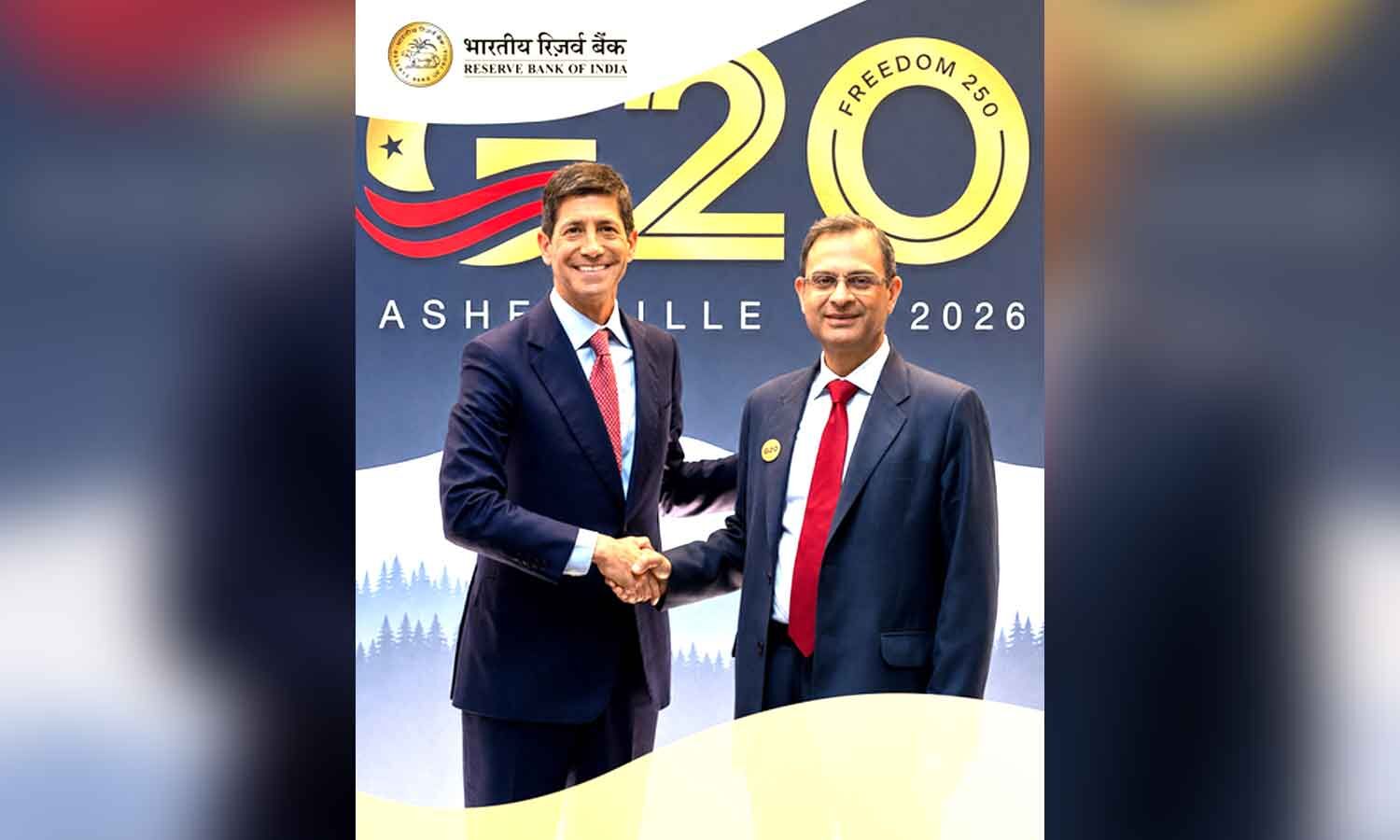
RBI Governor Meets US Fed Chief Kevin Warsh at G20
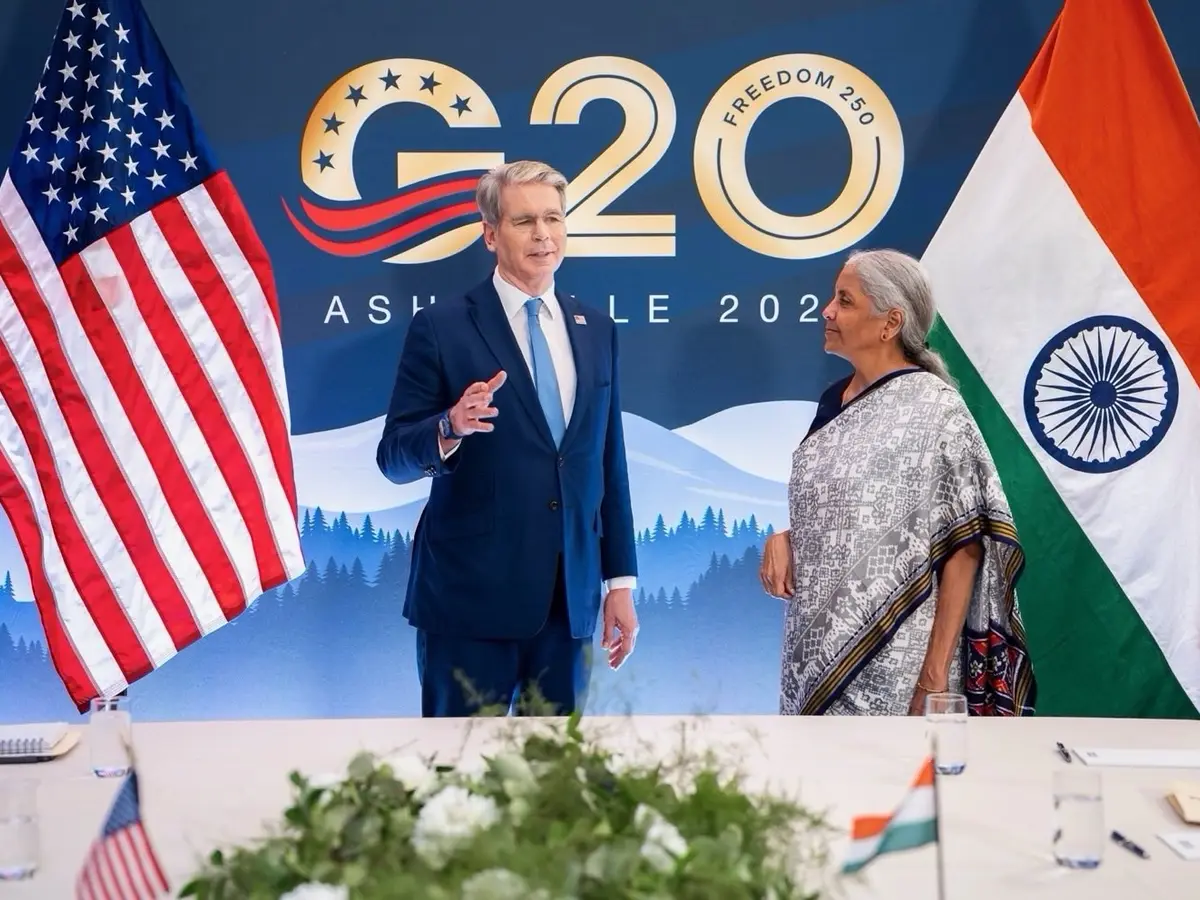
Indian Firms Invest $40 Billion in U.S., Supporting Jobs

Sitharaman Holds India-EU and South Korea Economic Cooperation
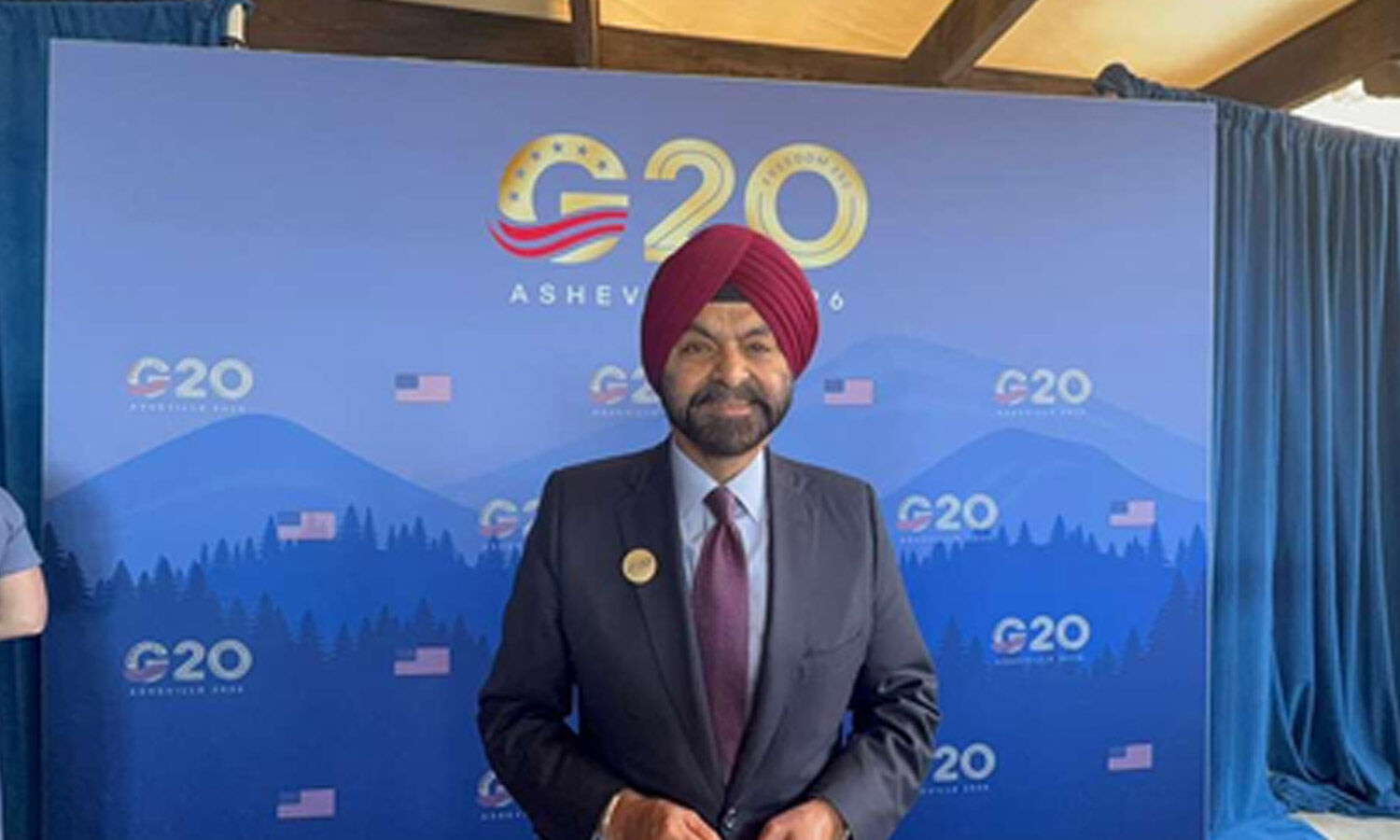
India Can Grow Beyond 8% With Jobs and Investment

India Plans Customs and Banking Reforms for Viksit Bharat