1 week ago
SpiceJet's Latest Reprieve Demands a Credible Recovery Plan
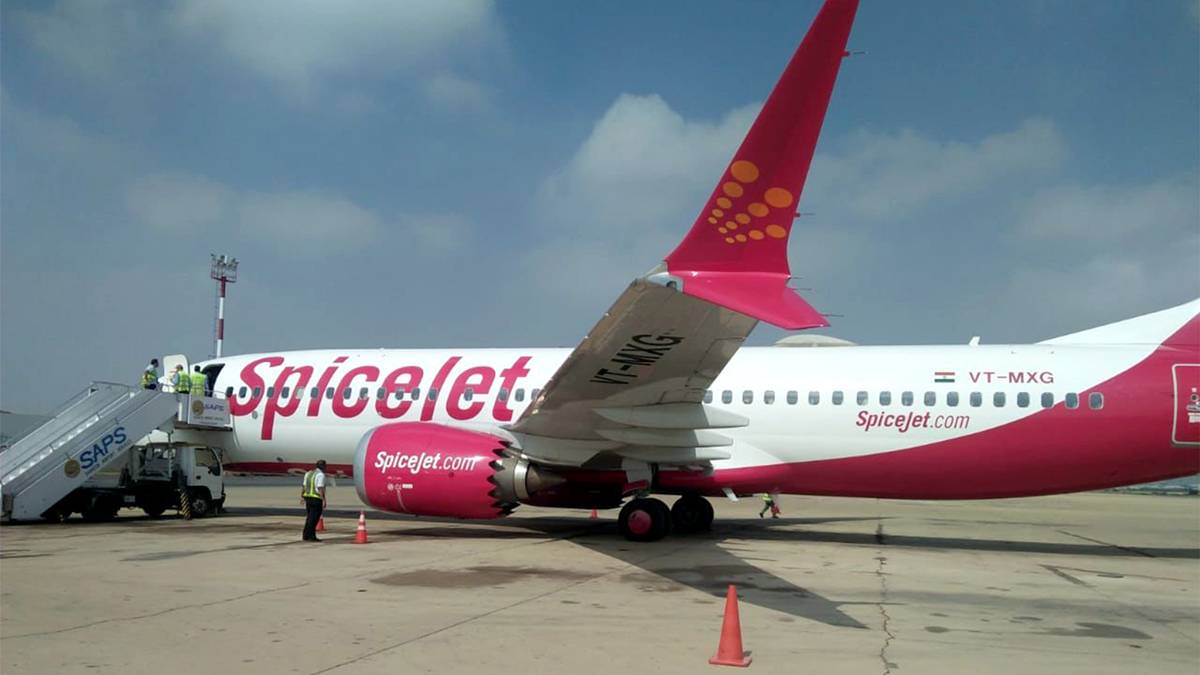
SpiceJet has been given more time before possible insolvency proceedings.
This happened after one aircraft lessor settled its dispute and withdrew its case.
However, the airline is still facing serious money problems.
It has fewer working aircraft and a much smaller share of the domestic market than before.
The government may want SpiceJet to survive because losing another airline could reduce competition and affect workers and passengers.
But repeatedly delaying insolvency does not solve the airline's debts.
SpiceJet must show that it can raise money, rebuild its fleet and pay what it owes.
Safety must remain important no matter how much financial pressure the airline faces.

The National Company Law Tribunal will rehear remaining insolvency petitions against SpiceJet.
The reprieve followed lessor Aviator ML's withdrawal of its case after reaching a settlement.
SpiceJet's domestic market share fell to 1.6% in July, its lowest since 2014.
Aircraft shortages, unpaid obligations and recurring lessor disputes have deepened the airline's financial crisis.
The airline needs a time-bound recovery plan supported by capital, fleet rebuilding and stronger cash generation.
- Who
- SpiceJet, its creditors and aircraft lessors, the National Company Law Tribunal, and the government.
- What
- The tribunal granted additional time by agreeing to rehear remaining insolvency petitions after one lessor withdrew its case following a settlement.
- Where
- The dispute concerns SpiceJet's operations in the domestic aviation market and proceedings before India's National Company Law Tribunal.
- When
- The tribunal's reprieve was issued last week; SpiceJet's market share was reported for July.
- Why
- The reprieve avoids an immediate insolvency process, while the government wants to preserve competition, employees and regional connectivity.
Preserve Competition
Require Viability
Avoiding immediate insolvency
Preserve Competition
Keeping SpiceJet operating could preserve competition, support employees and regional connectivity, and prevent further concentration in the aviation market.
Require Viability
Repeated postponements only buy time if the airline cannot generate enough cash to meet its obligations.
Role of insolvency proceedings
Preserve Competition
Avoiding insolvency may protect the aircraft and operating continuity needed to keep SpiceJet functioning as a going concern.
Require Viability
An insolvency process could protect creditors' rights, and indefinite avoidance cannot resolve the airline's underlying balance-sheet problems.
Government support
Preserve Competition
The government has a legitimate interest in helping SpiceJet survive because the failure of another airline could harm competition and stakeholders.
Require Viability
Support should not continue without a credible, capital-backed and time-bound recovery plan demonstrating that SpiceJet can become viable.
Key facts
- Latest tribunal action
- The National Company Law Tribunal will rehear the remaining insolvency petitions against SpiceJet.
- Settled case
- Aircraft lessor Aviator ML withdrew its petition after reaching a settlement with SpiceJet.
- July market share
- SpiceJet's domestic market share fell to 1.6%, its lowest since 2014.
- Earlier market position
- The airline once held more than one-fifth of the domestic market.
- Major financial pressures
- The 2019 Boeing 737 MAX grounding and the pandemic damaged SpiceJet's finances and operations.
- Creditor concerns
- SpiceJet's creditors include aircraft lessors, whose recovery of aircraft could make an insolvency-led revival more difficult.
- Proposed way forward
- The article calls for a time-bound recovery plan backed by capital, fleet rebuilding and the ability to meet obligations.
Sources
Related news

SpiceJet Bankruptcy Petitions Sent Back To New NCLT Bench
NCLT Fines SpiceJet, Aviator ML Over Late Settlement Disclosure
Why Global Aircraft Lessors Remain Wary of Indian Airlines
SpiceJet's Domestic Market Share Falls to Decade Low in July
SpiceJet Ends Boeing 737 MAX Operations Amid Financial Crisis
SpiceJet Seeks More Time for ₹50 Crore Maran Payment

India’s Airlines Face Fuel Risk Without A Hedging Buffer
EaseMyTrip Ordered to Pay Rs 43,000 for Stranding Groom
Groom Wins Compensation After Flight Cancellation