1 hr ago
India Launches LNG-Diesel Train After First Hydrogen Train
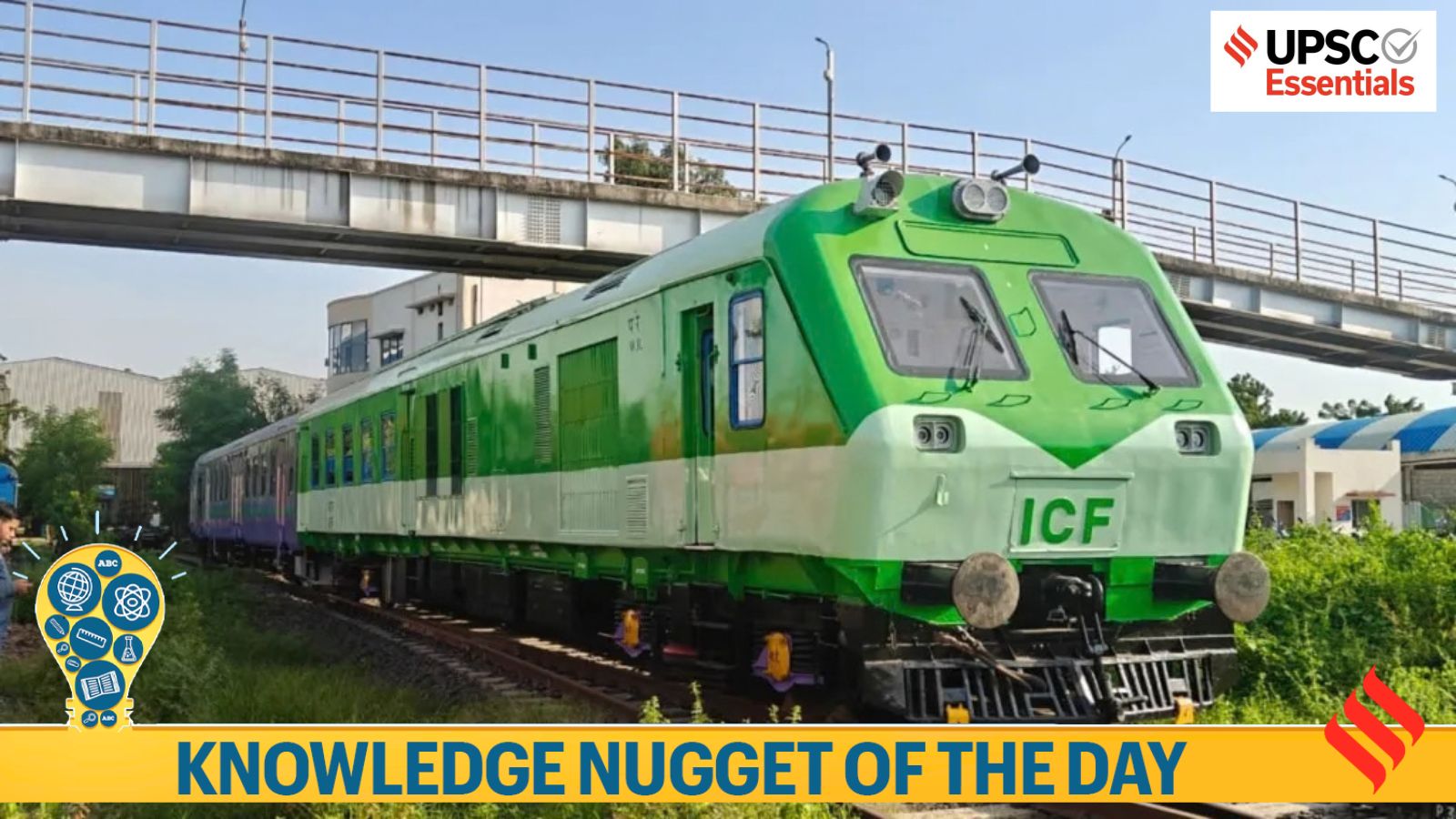
India has started testing a train that can use both LNG and diesel.
LNG is a fuel that can replace about 40% of the diesel used by the engine.
This may lower fuel costs, diesel use and some emissions.
The train has eight coaches and began its inaugural run between Sabarmati and Mahesana Junction.
Its LNG tank can help it travel about 444 kilometres before refuelling.
India also has a hydrogen train, which began running between Jind and Sonipat on July 17, 2026.
The hydrogen train makes electricity inside the train by combining hydrogen and oxygen in fuel cells.
Its direct by-product is water vapour, while the LNG train burns fuel in an engine.
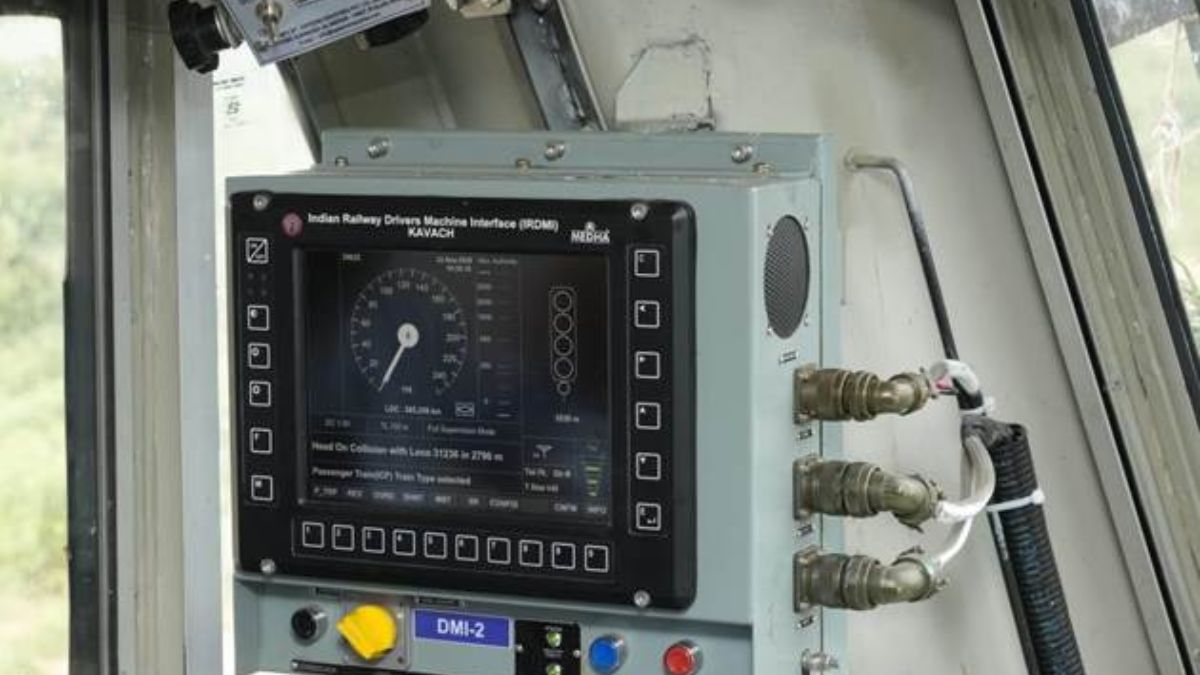
The article also explains Kavach, a safety system that can automatically apply brakes in dangerous situations.

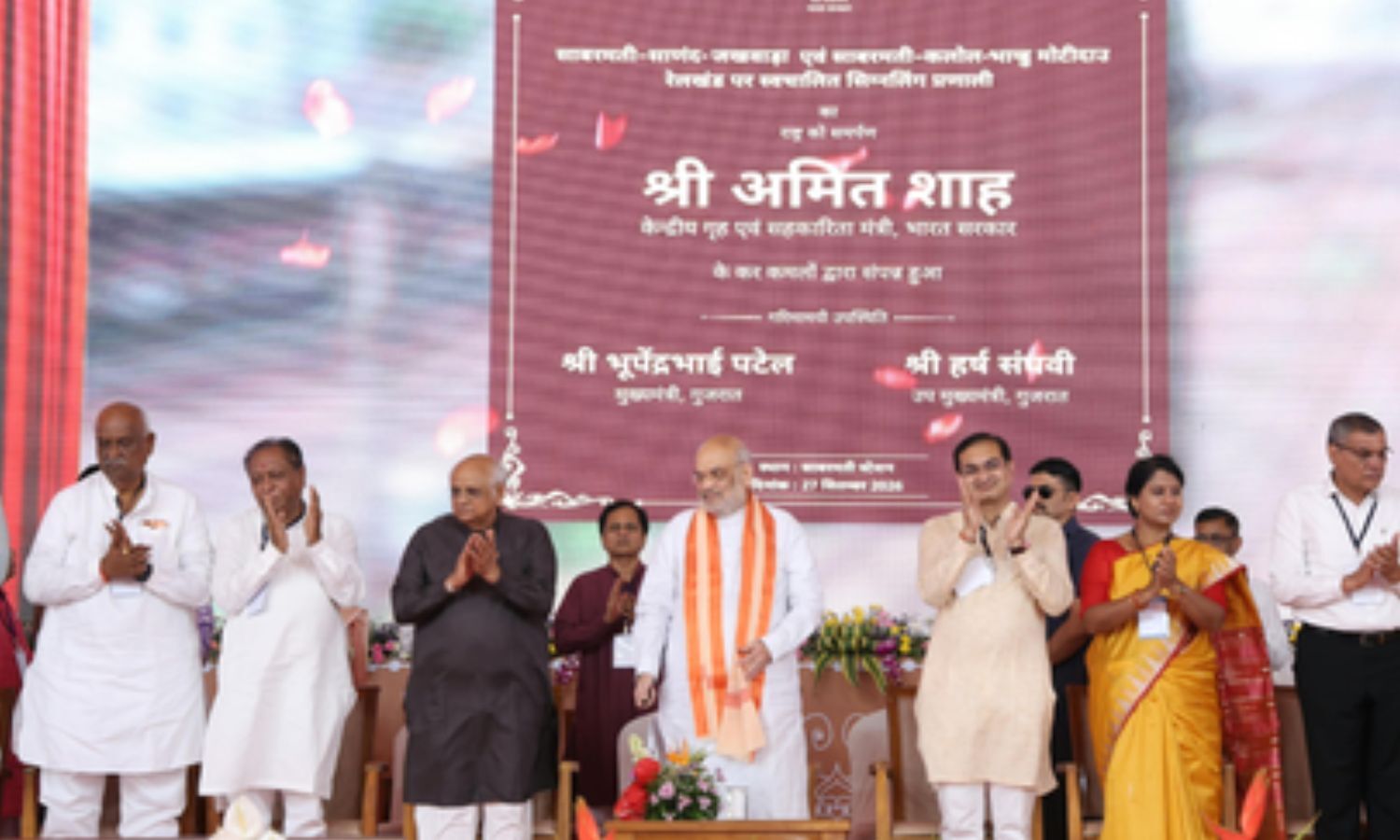
Indian Railways launched its first LNG-diesel dual-fuel DEMU train from Sabarmati, Gujarat, on September 27, 2026.
Built by Chennai-based Integral Coach Factory, the train can replace about 40% of diesel with LNG.
The eight-coach, non-AC train initially operates between Sabarmati and Mahesana Junction, though its regular route is undecided.
Each driving power car has a roughly 2,200-litre LNG tank, providing about 444 kilometres of operation when fully loaded.
Unlike the LNG train’s combustion engine, India’s hydrogen train uses fuel cells to generate electricity from hydrogen and oxygen, producing water vapour directly.
- Who
- Indian Railways, with the train developed by Chennai-based Integral Coach Factory, launched the LNG-powered train.
- What
- An eight-coach LNG-diesel dual-fuel DEMU train was introduced as an alternative-fuel railway project.
- Where
- The LNG train was launched from Sabarmati in Gujarat and initially operates between Sabarmati and Mahesana Junction. The hydrogen train operates between Jind and Sonipat.
- When
- The LNG train was launched on September 27, 2026; India’s first hydrogen train was flagged off on July 17, 2026.
- Why
- The project aims to reduce diesel consumption, fuel costs and emissions while promoting alternative fuels in railway operations.
Key facts
- LNG replacement
- LNG can replace approximately 40% of diesel in the dual-fuel system.
- Estimated savings
- Indian Railways estimates annual savings of about Rs 11.9 lakh per driving power car and Rs 23.9 lakh for an eight-coach rake.
- Train composition
- The LNG train is an eight-coach, non-AC chair-car DEMU.
- LNG tank
- Each driving power car has an LNG tank of about 2,200 litres, holding approximately 950–1,000 kg of usable LNG.
- Operating range
- A fully loaded LNG tank in one driving power car can support around 444 kilometres of daily operation.
- Hydrogen train
- The hydrogen train has 10 coaches, two Hydrogen Driving Power Cars and total power output of 2,400 kW.
- Hydrogen performance
- By July 25, 2026, the hydrogen train had travelled more than 1,200 kilometres and saved more than 3,200 litres of diesel.
- Related safety system
- Kavach is an indigenous automatic train protection system that can supervise speed and apply brakes in critical situations, including signal violations and collision risks.
Sources
Related news
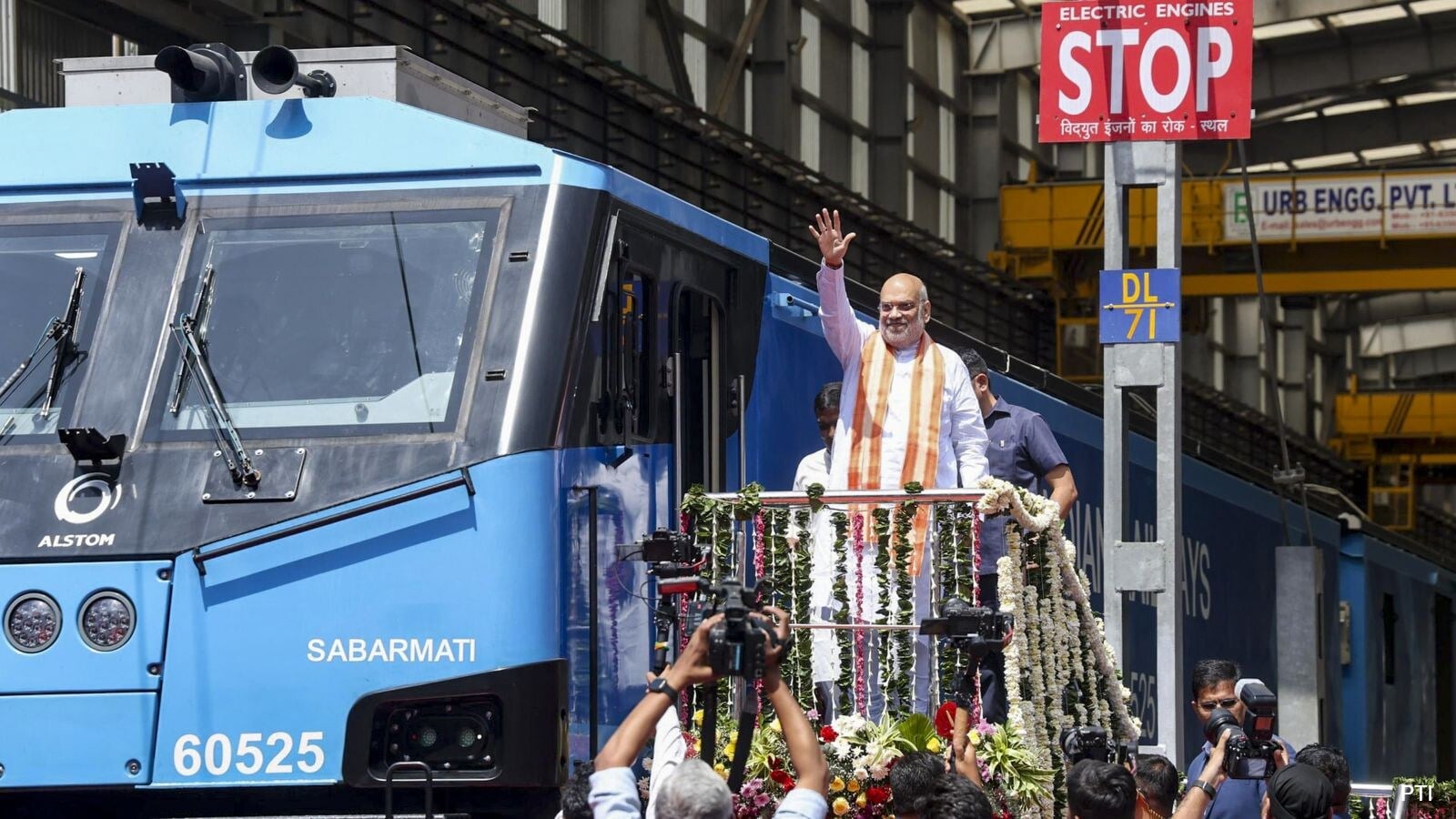
India’s First LNG-Powered Train Flagged Off From Gujarat’s Sabarmati

Indian Railways Plans Faster Hydrogen Trains, Sleeper Fleet Expansion
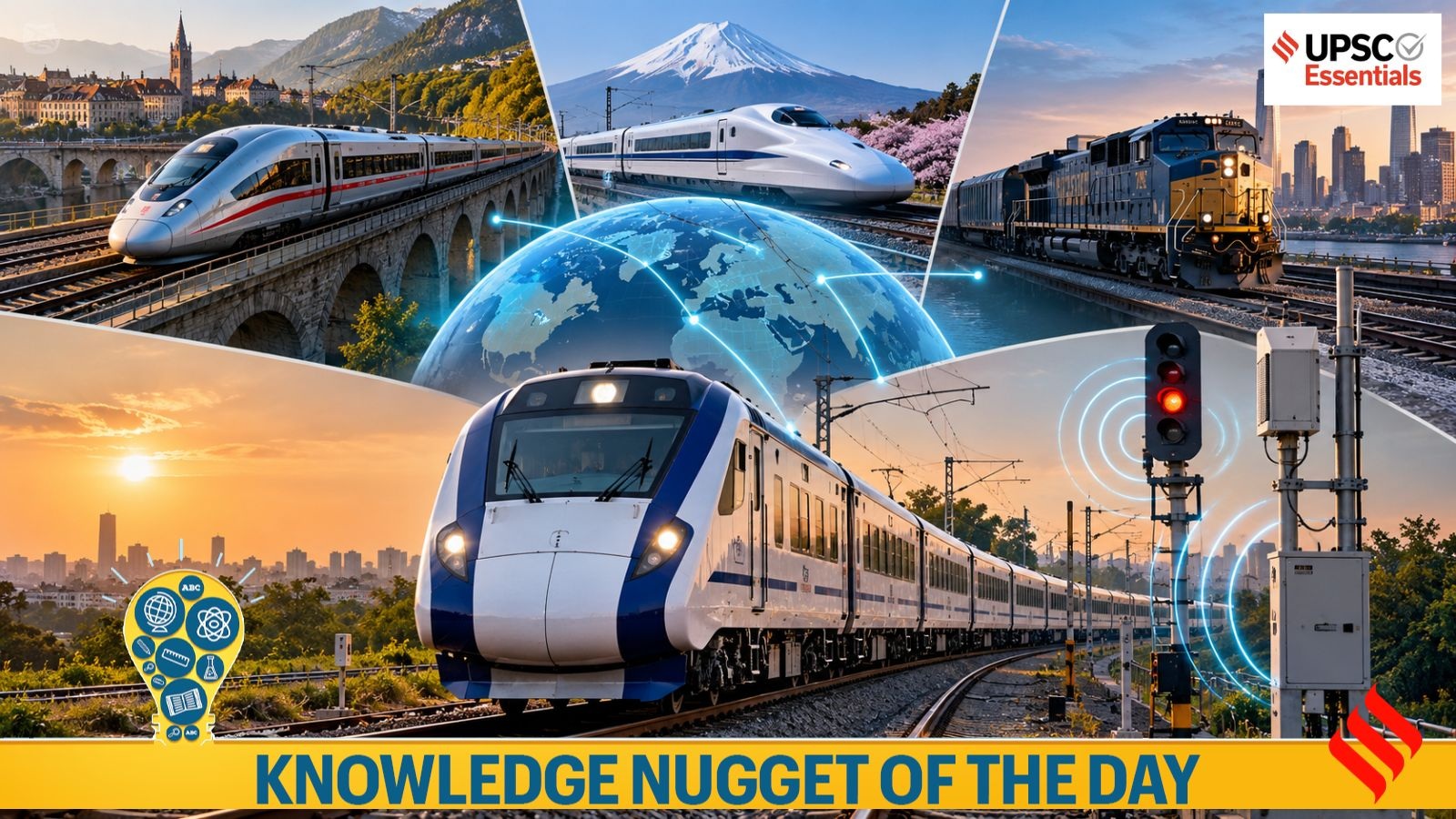
Kavach 4.0 Upgrade Strengthens India’s Railway Safety
Indian Railways Commissions KAVACH 4.0 on South Central Railway