1 day ago
Why Fed Rate Hikes Often Pressure US Stocks Before Recovery
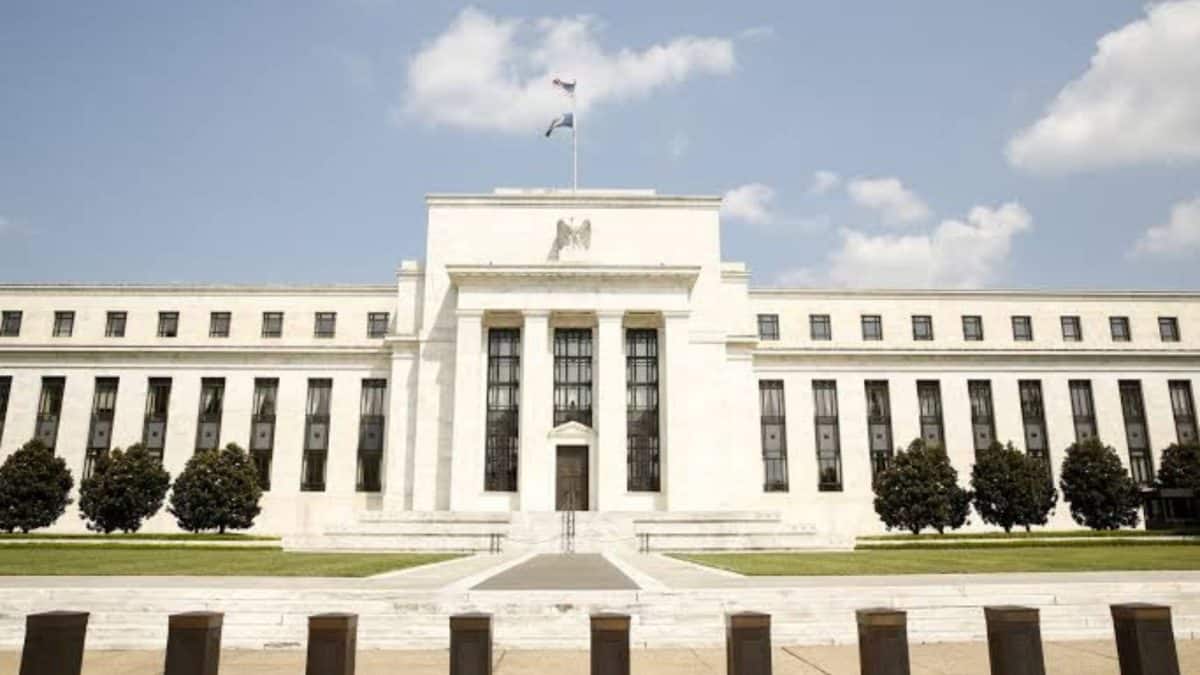
The Federal Reserve raises interest rates to help slow inflation.
When rates go up, borrowing money becomes more expensive for companies and families.
This can reduce spending, investment, and expected business profits.
Bonds may also look more attractive than stocks when their yields rise.
Because of this, stock prices often become more volatile after rate increases begin.
However, stocks do not always stay down for long.
Historically, the S&P 500 has usually been higher one year after the first hike, except during the 2022-2023 cycle.
The eventual result depends on how high rates go and whether the economy and company profits remain strong.

The Federal Reserve recently raised its benchmark interest rate by 25 basis points, its first increase since 2023.
The S&P 500 has recorded a median 2.6% decline in the three months after the first hike in six rate cycles since 1994.
In five of those cycles, the index fell 8% to 14% from peak levels, with lows arriving one to three-and-a-half months after the initial hike.
The 2022-2023 cycle was especially severe, with the S&P 500 falling 25% from its peak after the Fed raised rates by 525 basis points.
Stocks have historically recovered over time, with the S&P 500 gaining a median 6.8% one year after the first hike in the cycles examined.
- Who
- The Federal Reserve, investors, companies, consumers, and US stock-market participants.
- What
- The Federal Reserve began a new interest-rate hiking cycle, prompting analysis of how higher rates have historically affected US stocks.
- Where
- The United States, particularly the US stock market.
- When
- The Federal Reserve raised rates last week; historical comparisons cover rate cycles since 1994, including the 2022-2023 cycle.
- Why
- Higher rates can increase borrowing costs, slow economic growth and corporate profits, make bonds more attractive, and reduce equity valuations.
Key facts
- Latest rate increase
- 25 basis points
- Previous increase
- The Fed’s first rate increase since 2023
- Historical short-term performance
- The S&P 500’s median decline was 2.6% in the three months after the first hike across six cycles.
- Typical peak-to-trough declines
- The S&P 500 fell 8% to 14% in five of the six examined cycles.
- 2022-2023 cycle
- The Fed raised rates by 525 basis points, while the S&P 500 fell 25% from its peak.
- One-year historical performance
- The S&P 500 gained a median 6.8% one year after the first rate hike.
- Current-cycle expectation
- Fed funds futures indicated rates could peak around 4.8% in a little over a year, implying slightly more than 100 basis points of total tightening.
Quotes
David Lefkowitz
Head of US equities at UBS Global Wealth Management
“Our bottom line is (whether) the Fed's actions have an impact on the market's expectations for either economic growth or corporate profit growth”
 firstpost.com
Sources
Related news
Wall Street Falls as Fed Signals Higher Rates Ahead

Fed Rate Hikes Begin, But Investors Shouldn’t Panic

Fed Rate Decision May Pressure Stocks, Gold, and Rupee

US Fed Rate Hike Puts Indian Markets, Rupee Under Watch

US Fed Hike Puts India’s Rupee And Markets Under Pressure

US Fed Rate Hike May Pressure Indian Stocks, Analysts Say
NSE IPO Fully Booked Day Two, Analysts Expect Modest Gains

Brokerages See Up to 55% Upside in Seven Stocks

Gold Gains as Dollar Falls After Japan Intervention

Exelon Cuts Data Center Pipeline Amid AI Pushback