3 weeks ago
India needs its own social media ecosystem to protect children
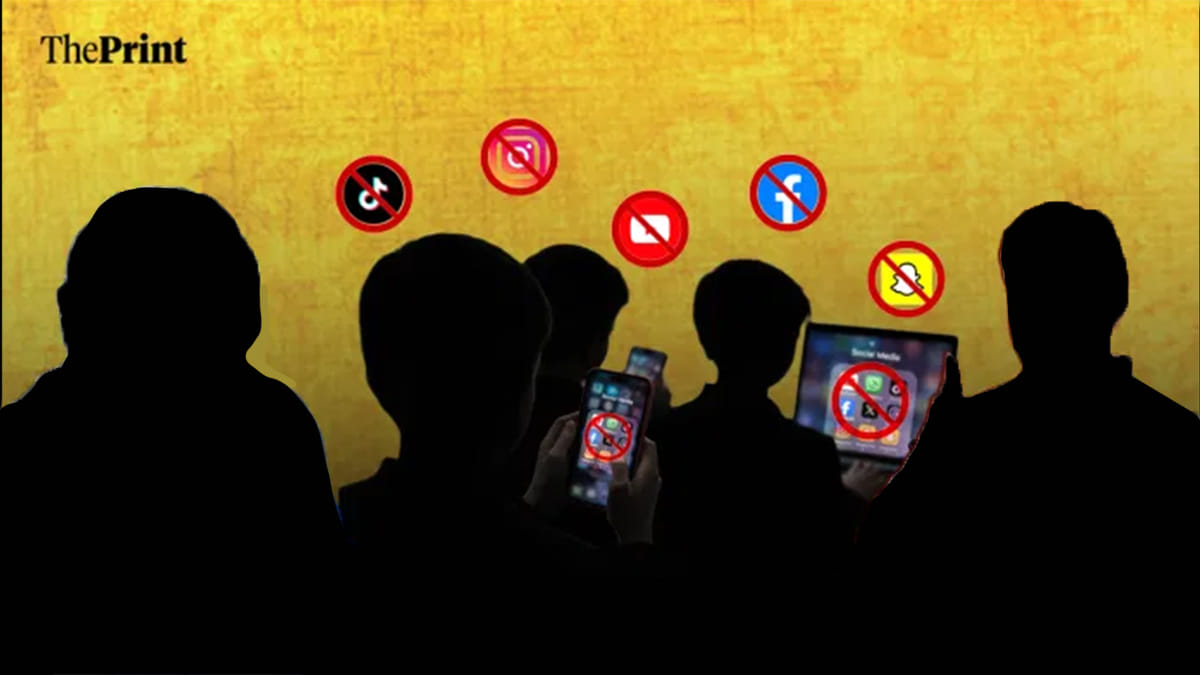
A grown-up in India named Meenakshi Lekhi wrote an article about social media.
Social media means apps like Facebook, Instagram, and YouTube where people share pictures and videos.
She said these apps are like businesses that make money by watching what we look at.
She thinks they can be bad for kids because they keep us glued to our screens.
Some children feel sad or left out when they see other people's posts.
She says spending too much time on screens can even make it hard to write with a pencil.
Many countries are making rules to keep kids safer online.
In Australia you must be 16 to use social media, and in France you must be 15.
She wants India to make its own social media apps so children's information stays safe and close to home.
She also says parents, teachers, and tech companies all need to help kids stay safe.

Meenakshi Lekhi, a BJP leader and lawyer, argues India should build its own social media ecosystem, as China, South Korea, and Russia have done.
The article contends profit-driven algorithms on platforms like Meta, TikTok, and YouTube erode children's character, cognitive skills, and mental health.
Australia enforces a minimum social media age of 16, France requires 15 for minors, and the EU's Digital Services Act obliges platforms to protect minors.
Lekhi proposes an Indian-built platform that stores data in India to strengthen data sovereignty, regulatory oversight, jobs, and tax revenue.
She recommends a minimum age of 16 with robust verification, penalties for non-compliant platforms, bans on harmful content and addictive feeds, and accountability for tech companies.
- Who
- Meenakshi Lekhi, a BJP leader and lawyer, writing an opinion article about social media's impact on children in India.
- What
- A call for India to create its own social media ecosystem and enforce stricter regulations, including a minimum age of 16, to protect children's welfare and data sovereignty.
- Where
- India (policy focus); the article also references Australia, France, the EU, the UK, Norway, Spain, Greece, Denmark, China, South Korea, and Russia.
- When
- No specific date is given in the article; it cites the 2022 coroner's conclusion in the Molly Russell case in the UK.
- Why
- To protect young people from harmful content, addiction, and cognitive harm, and to strengthen India's regulatory oversight and national control over user data.
Child-safety and regulation advocates
Social media companies
Free service or harmful business
Child-safety and regulation advocates
Social media platforms profit from user data and addictive design, eroding children's character and mental health, so they must be strictly regulated.
Social media companies
The article notes platforms are often perceived as free services that enable people to connect and share information, with companies such as Meta, TikTok, X Corp, and Snap Inc earning billions annually.
Restricting minors' access
Child-safety and regulation advocates
Minimum age limits of 16 with robust verification, parental consent where needed, and heavy penalties for non-compliance are essential to protect children.
Social media companies
The article notes companies can face substantial penalties for non-compliance with such rules and describes platforms as profit-driven commercial enterprises focused on engagement and market share.
Domestic versus global platforms
Child-safety and regulation advocates
India should build indigenous social media platforms that store data in India, ensuring data sovereignty, transparency, and easier monitoring, as China, South Korea, and Russia have done.
Social media companies
The article concedes building such platforms requires massive investments running into billions of dollars, and that success depends on attracting users, fostering innovation, and building trust.
Key facts
- Author
- Meenakshi Lekhi, BJP leader and lawyer
- Proposed minimum age for India
- 16 years
- Australia's minimum social media age
- 16 years
- France's minimum social media age
- 15 years
- EU child online safety law
- Digital Services Act
- Domestic platform examples cited
- China: WeChat, Weibo, Douyin; South Korea: Kakao, Naver; Russia: VK
- Notable case cited
- Molly Russell, a 14-year-old in the UK; a 2022 coroner linked online self-harm content to her death
- India's age of majority
- 18 years
Sources
Related news

India Studies Meta’s $17.1 Billion Settlement on Child Safety

Meta Settles Teen Harm Claims as India Faces Regulatory Gap

Countries Move to Tighten Children’s Social Media Access Rules
Meta Ordered to Pay $567 Million for Harming Children
Meta settlement adds teen safeguards, but India awaits protections
Meta Faces US Child Safety Trial, Indian Scrutiny Over Moderation

Social Media Companies Intensify Efforts to Identify Child Users

Yorkville America Expands Beyond Trump-Linked ETFs With AI Strategy
Meta’s $18-Billion Child Safety Settlement Faces Praise and Criticism
School Awards Honour Courage, Commitment and Educational Excellence
AI Expansion Puts Jamnagar and Thane Under Water Stress