2 weeks ago
CDRI Urges BRICS, G20 and Global South on Resilient Infrastructure

Natural disasters damage roads, buildings, power lines and communication systems around the world.
The damage costs about $700 billion to $800 billion every year.
The wider economic harm is much larger.
Amit Prothi, who leads CDRI, says countries should design infrastructure to handle future floods, storms, earthquakes and fires.
CDRI helps governments plan stronger infrastructure, but it does not pay for construction.
It also says communication networks are especially important during emergencies.
Countries need ways to rebuild faster after disasters.
CDRI is studying insurance, private investment and new technology to improve preparation and recovery.

Natural disasters destroy an estimated $700 billion to $800 billion in infrastructure annually, excluding wider economic costs.
CDRI Director General Amit Prothi called for stronger climate adaptation and disaster-resilient infrastructure planning.
The coalition has grown from 24 founding members in 2019 to 70, with the Philippines expected to join.
CDRI advises governments on resilient roads, power systems, telecommunications and transport but does not directly finance projects.
The organisation is exploring faster recovery financing and using artificial intelligence, satellite data and modelling for preparedness.
- Who
- Amit Prothi, Director General of the Coalition for Disaster Resilient Infrastructure, and CDRI member governments.
- What
- CDRI is urging BRICS, G20 and Global South countries to prioritize disaster-resilient infrastructure and climate adaptation.
- Where
- New Delhi, India.
- When
- The remarks were made while international journalists were covering BRICS meetings; the article does not specify a date.
- Why
- Climate change is increasing disaster risks, while infrastructure losses and slow post-disaster recovery impose major costs on communities and economies.
Key facts
- Annual infrastructure losses
- An estimated $700 billion to $800 billion from natural disasters, excluding indirect economic costs.
- CDRI launch
- Launched by India at the United Nations in New York in 2019.
- Membership
- CDRI has 70 members, with the Philippines expected to become the 71st.
- Current co-chairs
- India and Brazil currently lead the coalition; India remains its permanent co-chair.
- Brazil’s estimated annual losses
- Around $13 billion in infrastructure losses.
- CDRI role
- It helps governments incorporate resilience into infrastructure planning and design but does not directly finance projects.
- Priority sectors
- Telecommunications, energy and transport infrastructure.
Quotes

Amit Prothi
Director General of the Coalition for Disaster Resilient Infrastructure
“When countries build roads, power systems or telecommunications networks, we help them understand how those investments can withstand future risks from climate change and disasters.”
 wionews.com
“On average, we lose about $700 to $800 billion of infrastructure every year. That's only the direct damage. The economic cost of that damage is roughly seven times higher.”
wionews.com
Sources
Related news

Corrosion Costs India Infrastructure ₹1.42 Lakh Crore Annually
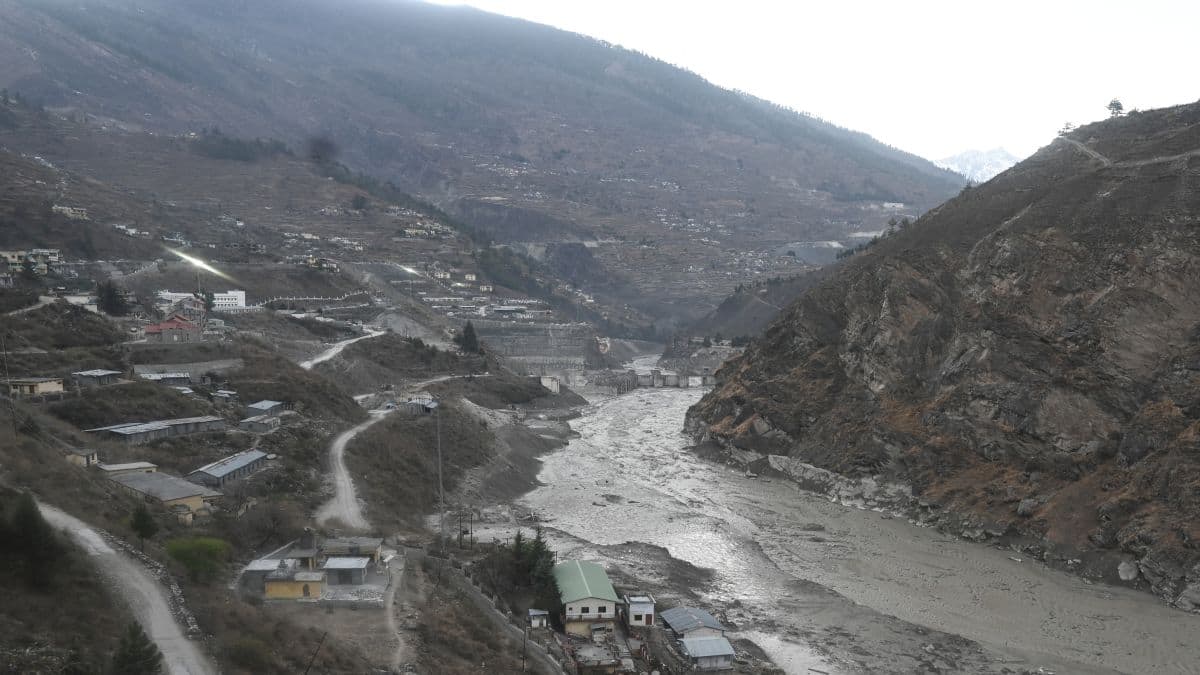
Ahmedabad, Kolkata Among World’s Least Climate-Resilient Cities, Report Finds
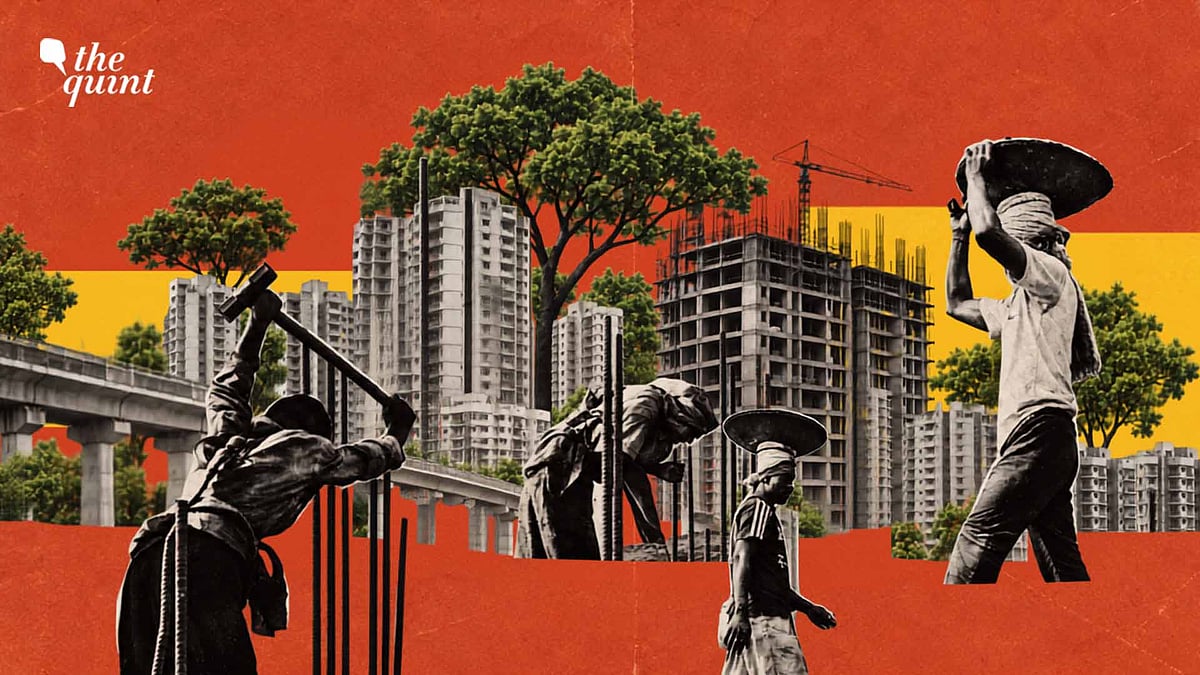
India’s Urban Fund Pushes Nature Into City Infrastructure

Nepal Seeks Grants as Glacier Flood Recovery Costs Mount
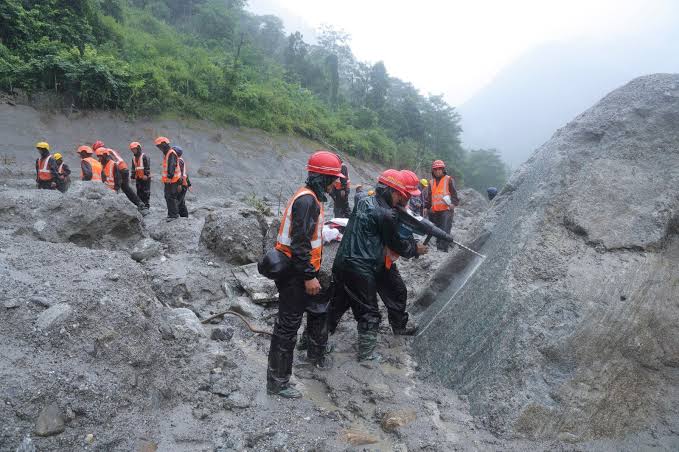
Himalayan Flood Disaster Renews Calls For Climate Insurance

Nepal Flood Highlights Disaster Insurance Gaps for Indian Businesses

Jaishankar Calls for Global South Role in Global Decision-Making

India and Philippines Deepen Strategic Partnership Across Sectors

Why India’s BRICS Summit Lacks G20-Style Political Fanfare

India, Lesotho review bilateral cooperation, next meeting in Maseru 2027