1 hr ago
Bayer Accelerates Genome-Edited Crops for Greater Climate Resilience
Bayer is working on new crop varieties that can handle difficult weather conditions better.
It is using a method called genome editing to change a plant’s own genes.
Unlike many genetically modified crops, these plants do not receive foreign DNA.
Bayer says this method can make new varieties faster.
The company is studying crops such as corn, soybeans, cotton, rice and vegetables.
Its first edited corn and soybean varieties may be sold for farming in the early 2030s.
India has made some types of genome editing easier to approve than genetically modified crops.
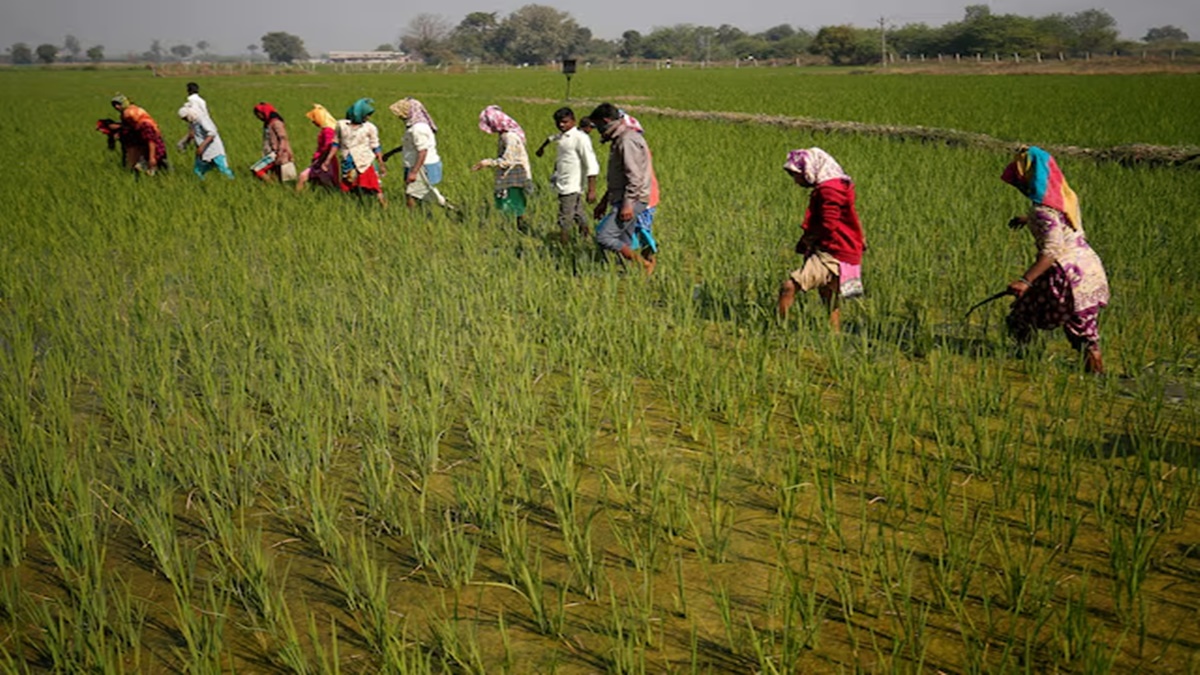
Indian researchers have also developed rice varieties that may produce more food, tolerate salty soil and use less water.
These rice varieties could be tested in farmers’ fields by the end of the year.

Bayer is increasing investment in genome editing alongside continued development of transgenic crops.
The company says genome editing can speed seed development and avoid introducing foreign DNA.
Bayer expects its first genome-edited corn and soybean varieties to reach commercial cultivation around 2031 or 2032.
India has exempted certain genome-edited crops from biosafety rules applied to genetically modified crops.
Two genome-edited Indian rice varieties could be planted in farmers’ fields by the end of this year.
- Who
- Bayer, its Crop Science researchers, and agricultural researchers in India.
- What
- They are developing genome-edited and transgenic crop varieties, particularly those aimed at improving climate resilience, yield and other traits.
- Where
- The work involves Bayer’s global crop research and potential cultivation in countries including India.
- When
- Bayer expects commercial genome-edited corn and soybean varieties around 2031 or 2032; two Indian rice varieties may reach farmers’ fields by the end of this year.
- Why
- Genome editing may shorten development timelines and create crops with traits such as higher yields, climate resilience, salinity tolerance and lower water use.
Key facts
- Bayer’s technology focus
- Genome editing, while continuing development of transgenic crop varieties.
- Target crops
- Corn, soybeans, cotton, rice, canola, hybrid wheat and vegetables.
- Expected Bayer launch
- The first genome-edited corn and soybean varieties are expected for commercial cultivation in about four to five years, likely around 2031 or 2032.
- Genome-editing distinction
- The method modifies a plant’s existing genes without inserting foreign DNA, according to the article.
- India’s regulatory change
- A March 2022 Environment Ministry notification exempted certain SDN-1 and SDN-2 genome-edited crops from specified biosafety rules for genetically modified crops.
- Indian rice varieties
- DRR Rice 100 (Kamala) and Pusa DST Rice 1 are reported to increase yields by about 15-20%, tolerate salinity and save water.
- Current GM crop approval in India
- Cotton is the only genetically modified crop approved for commercial cultivation in India, according to the article.
Quotes
Amanda McClerren
Head of plant biotechnology at Bayer Crop Science
“We’re on a similar timeline for both corn and soy. And we think pending the global regulatory framework, which is still developing, it’ll be the early 2030s, so probably 2031 or maybe 2032”
 financialexpress.com
“It’s very promising, and it’s very promising in geographies that don’t allow transgenic traits”
financialexpress.com
Axel Trautwin
Lead regulatory science specialist in Bayer’s crop science division
“We have not spoken too much about it in the past, but we are actually doing it. We are investing a lot not only through partnerships but also internally in genome editing. It is fundamentally transformational and breakthrough technology in the whole industry (seed),”
financialexpress.com
Sources
Related news
India to grow world's first gene-edited rice for seed multiplication
Indian scientists overcome gene-editing hurdle in peas, enabling better crops

India Opens Green Forge Facility for GM Crop Research

India’s rice yield slowdown spurs push for hybrids, varieties
India Launches Indigenous Non-GMO Popcorn Hybrids to Cut Imports

Indian rice exporters seek Goyal's help over China GMO suspension