9 hrs ago
Small Indian Cities Power India’s New Hiring Wave
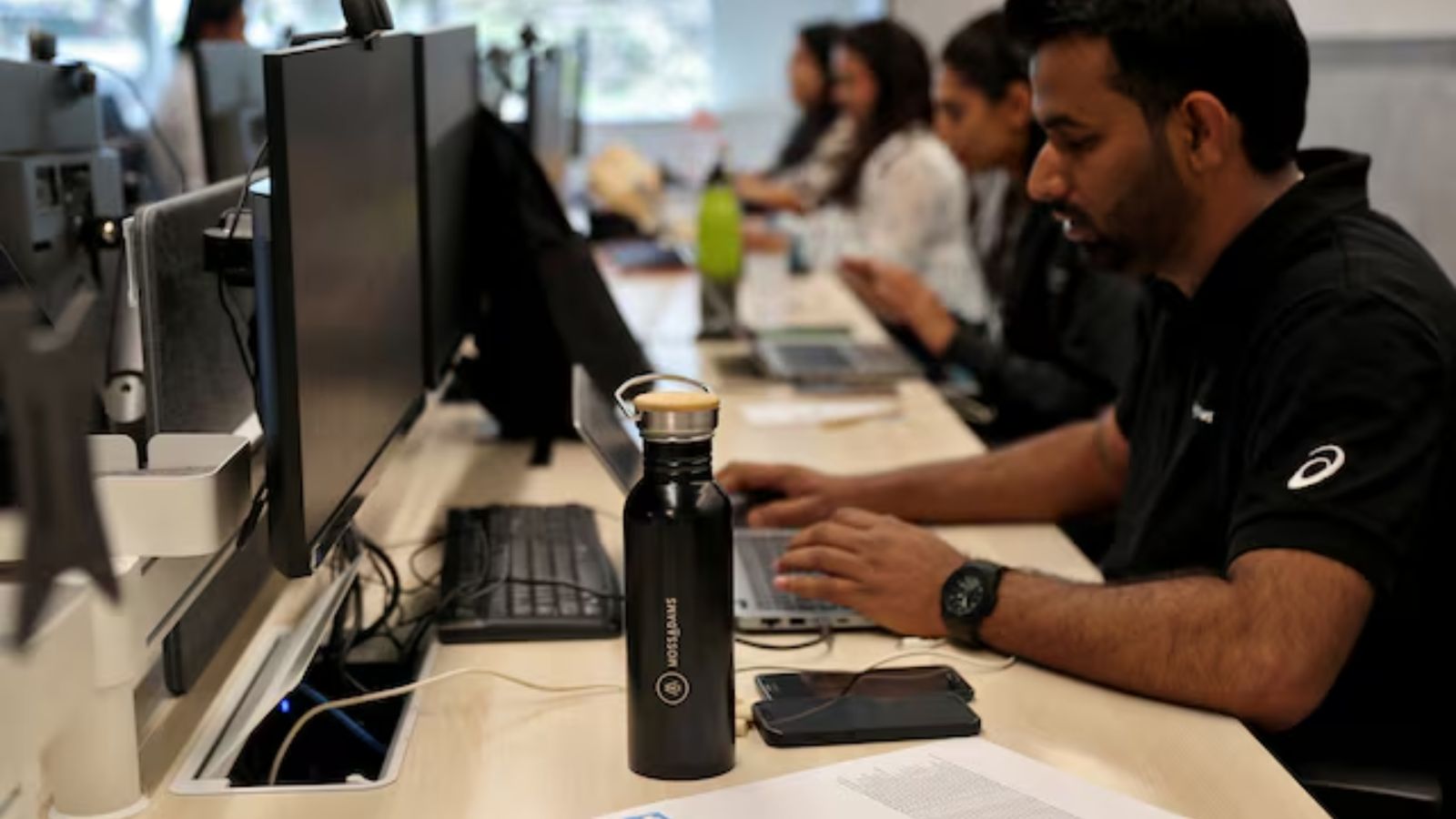
Companies in India are hiring more people from smaller cities.
A survey found that many organisations increased this hiring by more than 30% in two years.
More than half of the employers expect most of their hiring to happen in these cities within three years.
Many companies believe smaller cities already have workers with useful industry skills.
They say hiring there can cost less.
They also report that employees may be more loyal and less likely to leave.
Manufacturing and engineering are expected to create many new jobs in these locations.
However, poor infrastructure and connectivity can make hiring more difficult.
The report says better infrastructure and specialised skills will be needed to keep the trend growing.

A survey found that 69% of organisations increased hiring from tier-II and tier-III cities by more than 30% over the past two years.
The survey covered 1,729 employers across sectors including finance, FMCG, engineering, IT, manufacturing, telecom, retail and e-commerce.
Fifty-five per cent of employers expect most organisational hiring to shift toward smaller cities within the next three years.
Cost efficiency was the leading reported benefit, followed by stronger employee loyalty, lower attrition and access to untapped talent.
Infrastructure and connectivity were the biggest challenges, while manufacturing and engineering are expected to lead future hiring demand.
- Who
- Indian employers surveyed by Genius HRTech Limited, with comments from Genius HRTech chairman R P Yadav.
- What
- Organisations are increasingly hiring from tier-II and tier-III cities and expect the shift to expand.
- Where
- Tier-II and tier-III cities in India.
- When
- The survey was conducted in August, and the report was published on September 20, 2026; it covers changes over the previous two years and expectations for the next three years.
- Why
- Employers cite cost efficiency, stronger loyalty, lower attrition and access to talent, while infrastructure and connectivity remain major obstacles.
Case for Expanding Smaller-City Hiring
Challenges to Smaller-City Hiring
Business rationale
Case for Expanding Smaller-City Hiring
Employers say smaller-city hiring can improve cost efficiency, employee loyalty, retention and access to untapped talent.
Challenges to Smaller-City Hiring
The reported benefits may be difficult to realise fully while infrastructure and connectivity remain inadequate.
Future workforce capacity
Case for Expanding Smaller-City Hiring
Sixty-four per cent of respondents believe smaller cities already have industry-ready talent across most functions, and 55% expect them to become the main hiring locations within three years.
Challenges to Smaller-City Hiring
The report says infrastructure must be strengthened and specialised skills developed to support the projected expansion.
Key facts
- Survey size
- 1,729 employers
- Recent hiring increase
- 69% of organisations reported increasing hiring from tier-II and tier-III cities by more than 30% over two years.
- Expected future shift
- 55% expect most hiring to move toward tier-II and tier-III cities over the next three years.
- Talent readiness
- 64% believe smaller cities have industry-ready talent across most functions.
- Reported benefits
- Cost efficiency was cited by 39%, stronger employee loyalty by 26%, lower attrition by 22% and untapped talent by 13%.
- Main challenge
- 60% identified infrastructure and connectivity as the biggest barrier.
- Expected leading sectors
- 37% expect manufacturing and engineering to generate the highest hiring demand in smaller cities over the next two to three years.
Quotes
R P Yadav
Chairman of Genius HRTech
“Tier II and III cities are no longer being viewed simply as alternatives to metros; they are increasingly becoming strategic talent markets in their own right.”
 financialexpress.com
 thehindubusinessline.com
Sources

Related news

Tech Hiring Surges in Smaller Cities as Metros Cool

Readers propose stronger, wider, more resilient Indian GCC growth

Tier-II Cities and Peripheries Drive India’s Real Estate Surge

Jitendra Singh Urges Startups to Drive Lab-to-Market Technology Transfer

India's Festive Season Expected to Add 2.5 Lakh Jobs

India Diversity Hiring Rose Despite Overall Recruitment Decline

Tata Court Dispute Puts Its Institutional Trust At Risk

Samsung Raises Galaxy S26 Series Prices by Rs 20,000

Salman Khan’s Iconic Movie Cars and Their Market Status

NSE IPO: Big Investors Trim Stakes While Largely Staying Put

Indian Markets Extend Slide Amid Global Inflation And Selling