

1 hr ago
Indian Markets Extend Slide Amid Global Inflation And Selling
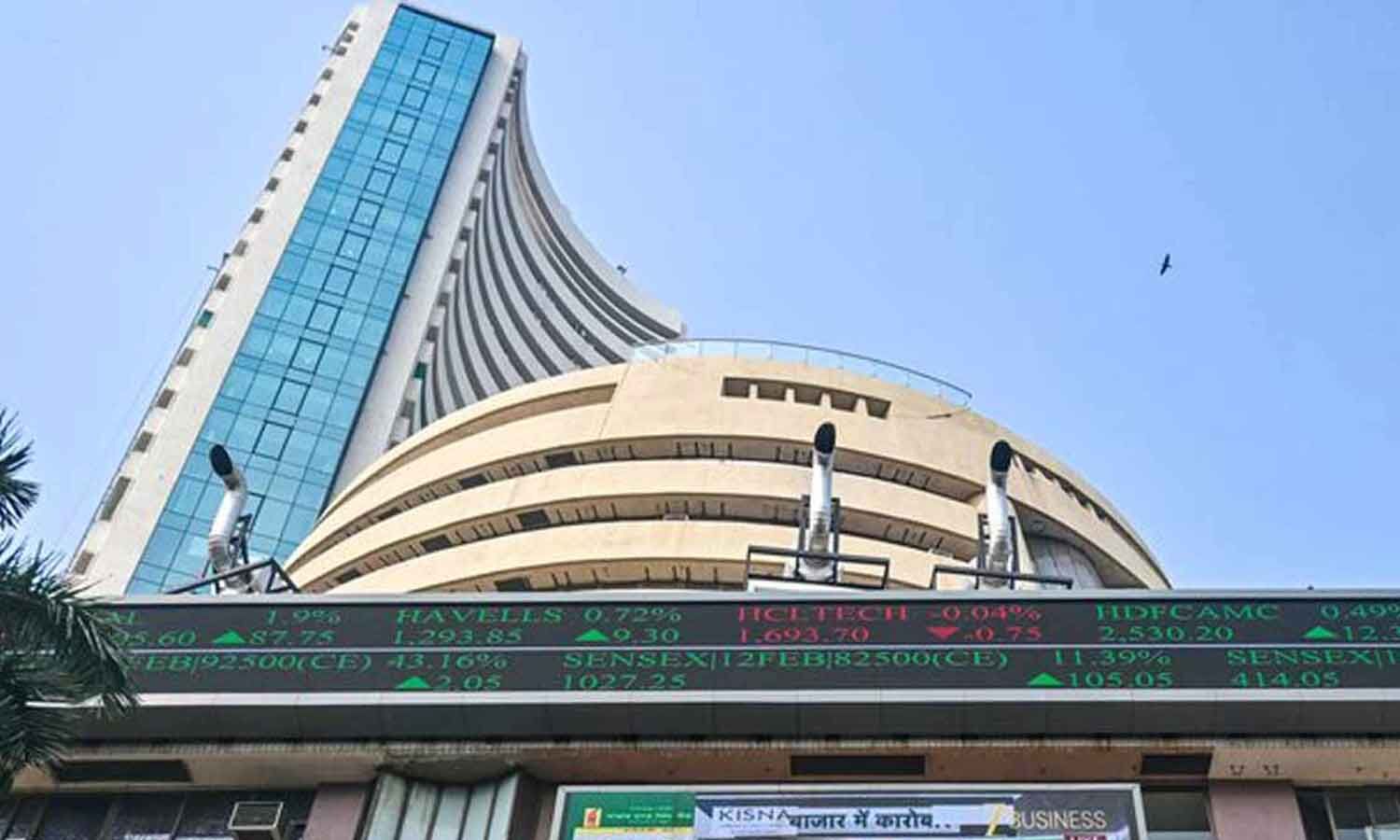
Indian share prices fell for the sixth week in a row.
Investors were worried about expensive oil, high inflation and higher interest rates around the world.
Foreign investors continued to sell Indian shares, but Indian institutions bought shares and helped limit the fall.
Possible US tariffs on countries buying Russian energy added another concern for India.
India’s large foreign-exchange reserves provide some protection against sharp currency movements.
Moody’s Ratings still expects India’s economy to grow by 7% this financial year.
Some sectors, such as FMCG and healthcare, performed better than others.
Analysts expect trading to remain cautious and possibly stay within a range next week.
They will watch oil prices, geopolitical developments and economic data for clues.

Sensex and Nifty fell more than 0.5% during their sixth consecutive weekly decline, closing at 74,295 and 23,346 respectively.
Foreign institutional investors sold Rs 7,620 crore during the week, while domestic institutional investors bought Rs 11,232 crore.
Potential US tariffs linked to purchases of Russian energy, elevated crude prices and global monetary tightening weighed on sentiment.
India’s foreign-exchange reserves reached a record $785.7 billion, while Moody’s Ratings raised its India growth forecast to 7%.
FMCG and healthcare gained, while consumer durables, chemicals and public-sector stocks underperformed; analysts expect a cautious, range-bound market.
- Who
- Indian stock-market investors, foreign institutional investors, domestic institutional investors, major central banks and Moody’s Ratings.
- What
- Indian benchmark stock indices declined for a sixth consecutive week amid selling, inflation concerns, crude-price risks and global monetary tightening.
- Where
- India’s financial markets, with sentiment affected by developments involving the United States, Russia, Iran, Japan and the United Kingdom.
- When
- During the week ended, with September figures and upcoming market cues also discussed.
- Why
- Elevated energy prices, inflation, continued foreign selling, possible trade risks involving Russian crude and tighter global monetary policy weighed on sentiment.
Market Headwinds
Market Supports
Near-term direction
Market Headwinds
Continued foreign institutional selling, global monetary tightening, elevated crude prices and inflation concerns could keep markets volatile.
Market Supports
Steady domestic institutional buying and India’s stronger external position could limit downside and support a measured recovery.
Growth outlook
Market Headwinds
The outlook remains vulnerable to geopolitical tensions, potential trade measures and energy-driven inflation.
Market Supports
Moody’s Ratings expects India to grow 7% and faster than every other G20 economy, citing stronger momentum and resilience.
Investment preference
Market Headwinds
Large-cap stocks are described as offering a weaker growth profile than during earlier structural-growth phases.
Market Supports
Small- and mid-cap companies are presented as attractive because of their stronger earnings growth and entrepreneurial opportunities, although buying should remain selective.
Key facts
- Weekly Sensex close
- 74,295
- Weekly Nifty close
- 23,346.40
- Foreign institutional selling
- Rs 7,620 crore during the week
- Domestic institutional buying
- Rs 11,232 crore during the week
- India’s forex reserves
- Record $785.7 billion
- India growth forecast
- Moody’s Ratings raised its forecast for the current financial year to 7%.
- Key Nifty levels
- Resistance at 23,500 and 23,780; support at 23,100 and 22,930.
Sources
Related news
Indian Markets Extend Losing Streak as Global Risks Persist

Indian Markets End Lower Amid Global Uncertainty and Crude Pressures

Oil, Geopolitics and Tariffs to Drive Indian Stocks This Week

Three Factors Set to Drive Indian Stocks This Week

Indian Stocks Close Lower as West Asia Tensions Lift Crude
Indian Markets Slide as Global Risks Meet Domestic Resilience
Experts Split on Possible RBI October Interest Rate Hike

Bank of Japan Raises Interest Rates to 31-Year High

Treasuries Rally as Oil Retreat Boosts Confidence in Fed
U.S. Treasury Yields Ease as Oil Prices Fall
