

1 hr ago
Tata Court Dispute Puts Its Institutional Trust At Risk
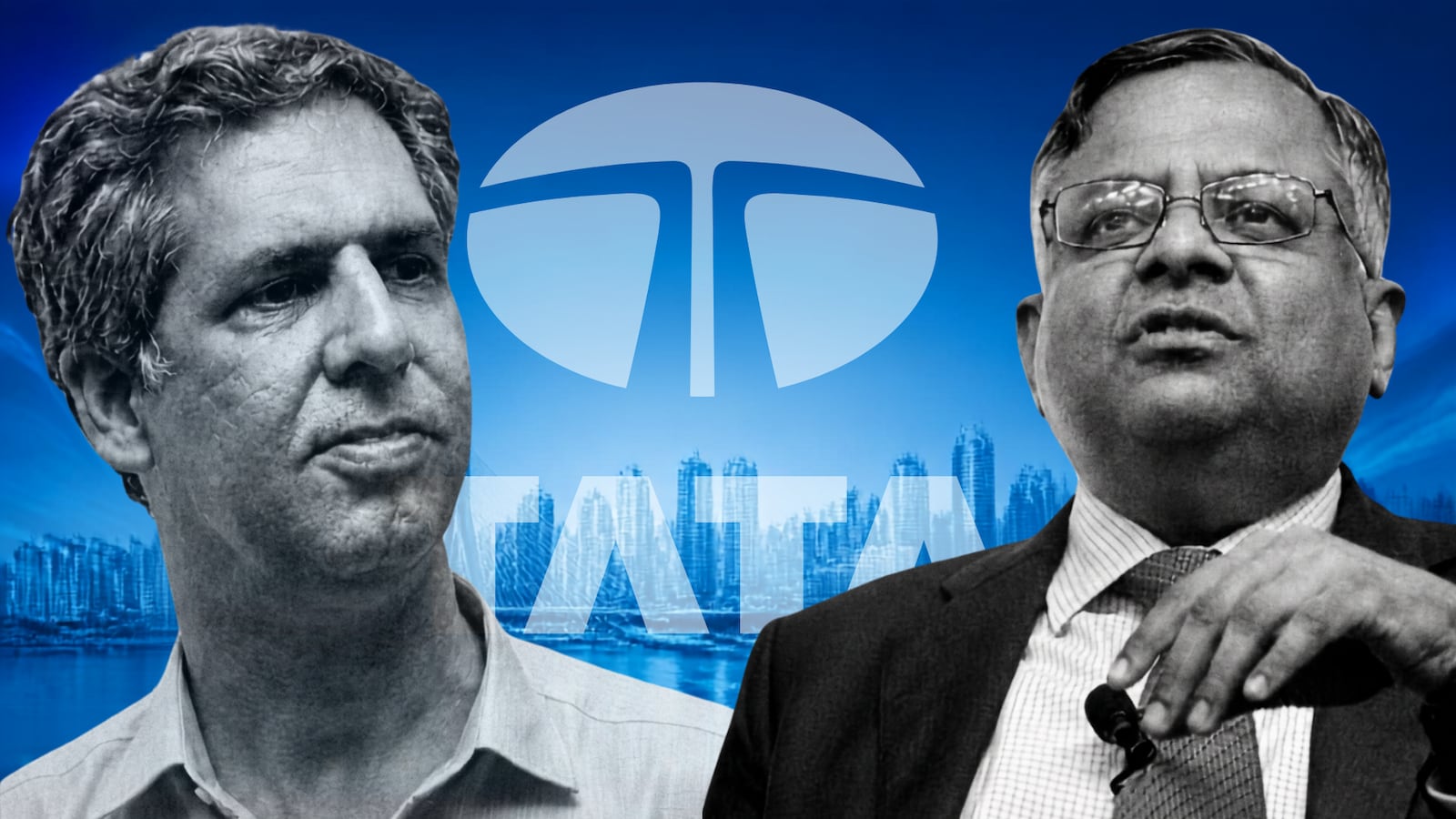
Tata is having a disagreement about who should lead its main company.
The Tata Trusts own about two-thirds of Tata Sons and say their special voting rights were not respected.
The board reappointed N Chandrasekaran for five more years, even though he had earlier said he would leave after his current term.
Tata Sons says its committee asked him to change his decision and that the process was proper.
The Trusts say both of their nominated directors needed to support the decision.
Lawyers and the Supreme Court will decide what the company’s rules mean.
The article says the disagreement is also changing how people see Tata.
It argues that Tata’s reputation for careful and trustworthy business may be damaged even if it wins in court.

Tata Trusts, which own about 66% of Tata Sons, dispute N Chandrasekaran’s reappointment.
The Trusts argue Article 121 required support from both Trust-nominated directors.
Tata Sons says its nomination committee unanimously asked Chandrasekaran to reconsider his earlier decision to leave.
The dispute contrasts the Trusts’ ownership protections with Tata Sons’ emphasis on professional management and corporate governance.
The opinion argues that, regardless of the court ruling, Tata’s public image has already suffered.
- Who
- The Tata Trusts, Tata Sons, N Chandrasekaran, and the company’s nominated directors are central to the dispute; lawyers Abhishek Manu Singhvi and Harish Salve are representing opposing positions.
- What
- The parties are contesting whether Chandrasekaran’s five-year reappointment complied with Tata Sons’ Articles of Association.
- Where
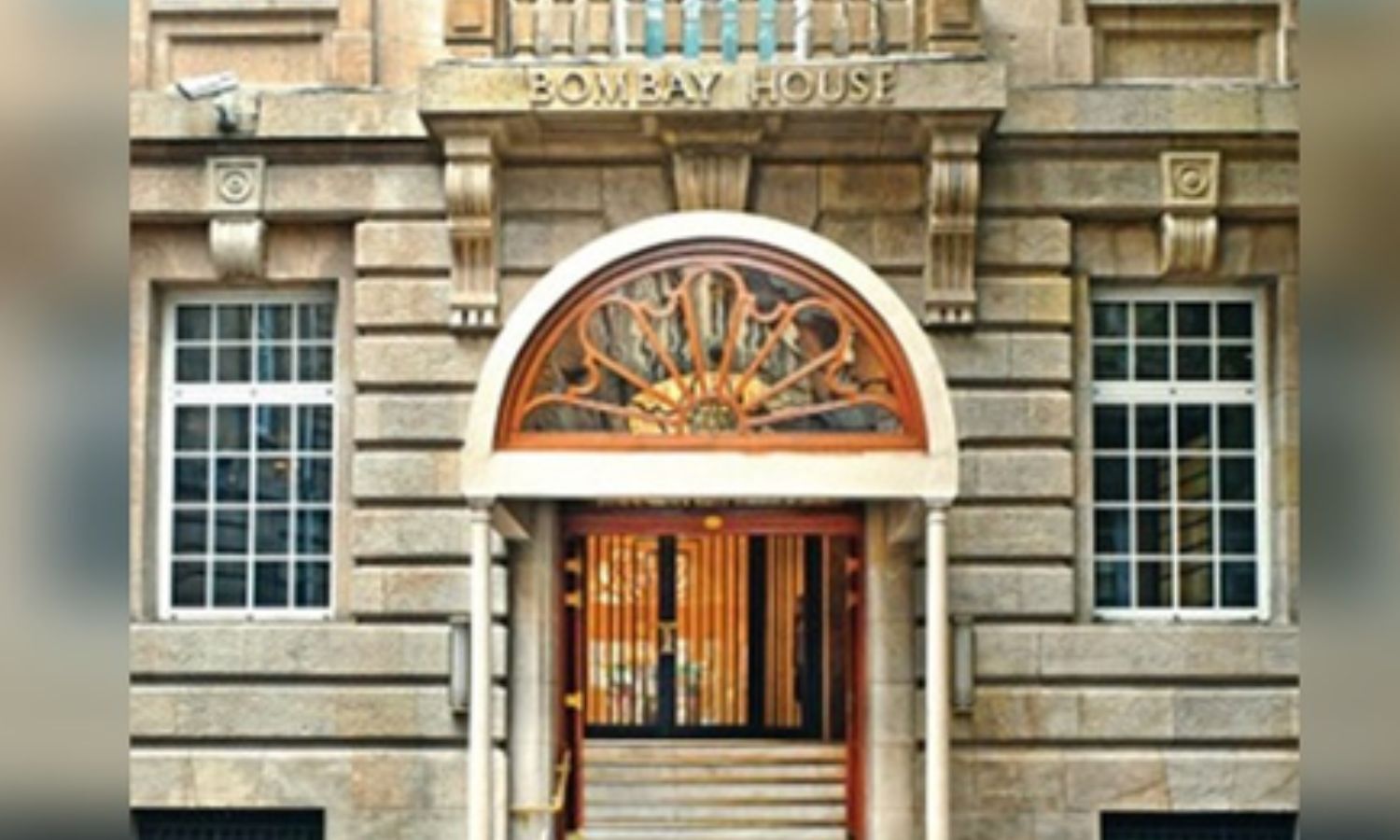
- The dispute concerns Tata Sons and Bombay House in Mumbai, with related court proceedings involving the Supreme Court and Bombay High Court.
- When
- Chandrasekaran wrote on August 12 that he would not seek another term; the board reappointed him five weeks later, on September 17. His current term ends in February 2027.
- Why
- The Tata Trusts say the board bypassed voting protections requiring support from Trust-nominated directors, while Tata Sons says the reappointment followed a proper corporate process.
Tata Trusts’ position
Tata Sons’ position
Validity of the reappointment
Tata Trusts’ position
The Trusts say the reappointment was void from the outset because the required support from Trust-nominated directors was absent.
Tata Sons’ position
Tata Sons says the board followed a valid process after its Nomination and Remuneration Committee unanimously asked Chandrasekaran to reconsider.
Role of nominee directors
Tata Trusts’ position
The Trusts argue that affirmative-vote protections were created so certain decisions could not be approved by an ordinary board majority.
Tata Sons’ position
Tata Sons’ position emphasizes that nominee directors owe duties to the company as a whole rather than simply to the party that nominated them.
Meaning of governance protections
Tata Trusts’ position
The Trusts say written protections tied to their majority ownership must be respected and that weakening them could harm corporate governance more broadly.
Tata Sons’ position
Tata Sons emphasizes professional management, transparency, and rules that do not depend on individual personalities, particularly for a group with assets of around Rs 2 lakh crore.
Key facts
- Trust ownership
- The Tata Trusts own about 66% of Tata Sons.
- Disputed provision
- The Tata Trusts say Article 121 of Tata Sons’ Articles of Association required support from a majority of Trust-nominated directors.
- Vote described
- Noel Tata voted against the reappointment, while Venu Srinivasan voted in favour.
- Reappointment
- The board gave N Chandrasekaran another five-year term on September 17.
- Earlier decision
- On August 12, Chandrasekaran wrote that he would not seek another term after his current term ends in February 2027.
- Tata Sons’ explanation
- Its Nomination and Remuneration Committee said it unanimously asked Chandrasekaran to reconsider.
- Regulatory context
- The Reserve Bank has refused Tata Sons’ attempt to shed its registration and filed a caveat in the Bombay High Court regarding a possible listing.
Sources
Related news
Singhvi Takes Tata Trusts Case Amid Escalating Tata Dispute
Tata Trusts Challenge Chandrasekaran Reappointment as Court Battle Looms
Tata Sons Board Reappoints Chandrasekaran Amid Trusts Challenge
Tata Sons Board, Trusts Face Protracted Chairman and IPO Battle
Tata Sons Reappoints Chandrasekaran as Trusts Call Vote Illegal

Tata Power Struggle Deepens as Chandrasekaran Agrees to Stay
Tata Listing Dispute Emerges as Core Issue in Trusts Row
Tata Trusts Lawyer Challenges Tata Sons Board Reappointment Decision
ECI Says SIR Notices Do Not Mean Voter Deletion
