6 hrs ago
Iran Plans Broader Retaliation as Diplomacy Faces Slim Prospects

Iran is worried that the United States might start large attacks again.
Its leaders are preparing a stronger response than before if that happens.
They may target American interests and countries that help the United States.
Iran has also asked friendly groups in Lebanon, Yemen and Iraq to be ready.
At the same time, Iran is trying to keep talks with Washington alive.
The two sides disagree about sanctions, money, fighting and Iran’s nuclear program.
Iran’s economy is suffering because oil exports are restricted.
Iranian leaders also worry that economic problems could cause protests at home.
The fighting has already damaged countries, killed civilians and created risks for energy supplies.

Iranian commanders are preparing a broader response if the United States resumes large-scale attacks, potentially targeting US-linked assets and countries supporting US operations.
Iran has instructed allied groups in Lebanon, Yemen and Iraq to prepare for a coordinated response spanning the Strait of Hormuz and possibly areas beyond the Middle East.
Tehran is still pursuing negotiations, but Iranian officials and analysts consider an agreement unlikely because the sides disagree over conditions and Iran’s nuclear program.
Iran’s economy is under pressure from a US blockade, sanctions and disrupted oil exports, while leaders fear renewed domestic unrest.
A previous ceasefire ended a 40-day war on April 8, but sporadic hostilities have continued and the conflict has killed thousands of civilians.
- Who
- Iranian senior officials and commanders, the United States, President Donald Trump and Iran-aligned groups in Lebanon, Yemen and Iraq.
- What
- Iran is preparing a broader and stronger retaliation for any renewed large-scale US attack while continuing diplomatic efforts.
- Where
- The potential response could extend from the Strait of Hormuz to US interests in the region and possibly beyond the Middle East.
- When
- Planning intensified after Masoud Pezeshkian returned from New York the week before the October 1 report; hostilities began on February 28 and a ceasefire began on April 8.
- Why
- Iran seeks to deter further attacks, protect its interests and improve its negotiating position, while also trying to avoid the economic and political costs of a prolonged war.
Iranian escalation and deterrence
Negotiation and limited military pressure
How Iran should respond to another attack
Iranian escalation and deterrence
Iranian officials and analysts say a symbolic response may not restore deterrence, making a broader coordinated escalation more likely.
Negotiation and limited military pressure
The United States could choose limited strikes, including attacks on nuclear facilities, rather than launch another major campaign.
Conditions for diplomacy
Iranian escalation and deterrence
Tehran wants fighting to stop, the blockade lifted, frozen funds released and oil sanctions waived before beginning nuclear negotiations.
Negotiation and limited military pressure
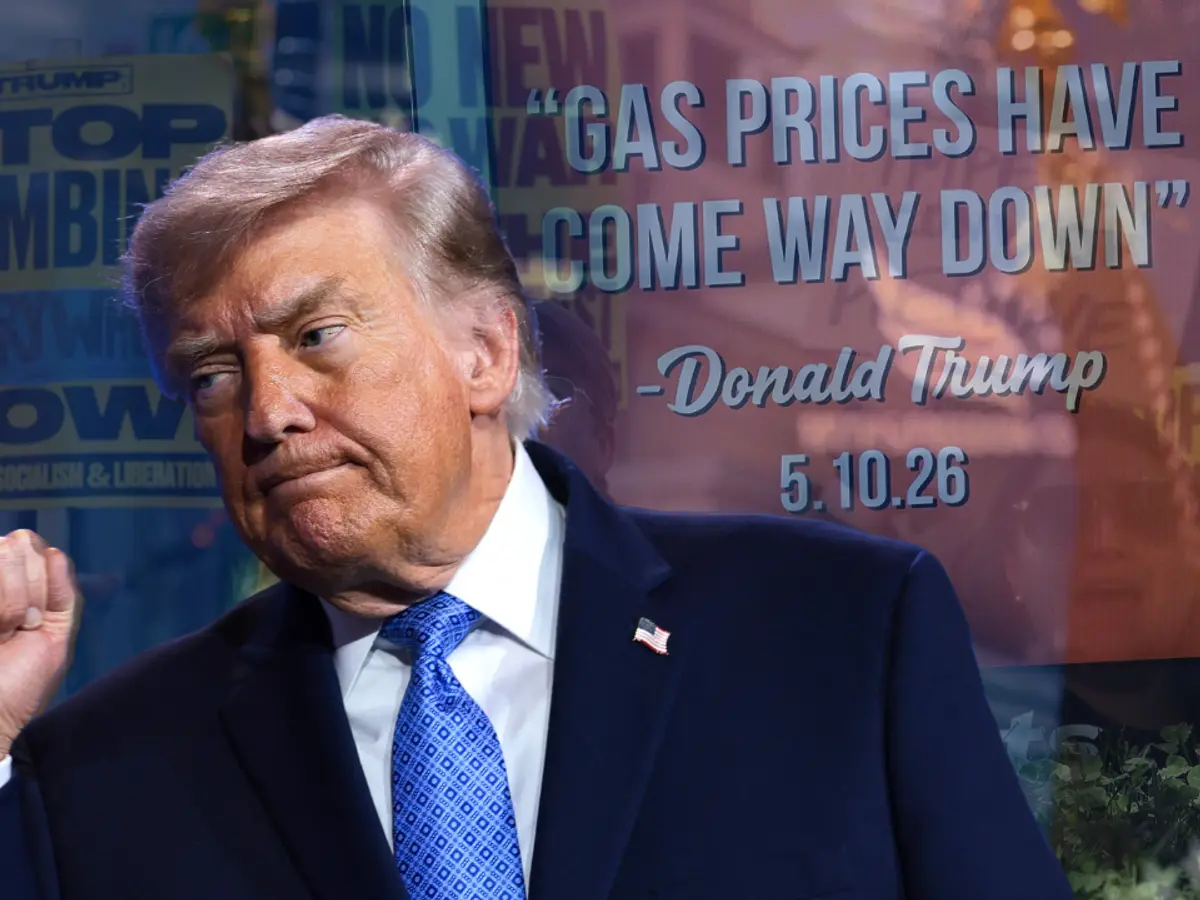
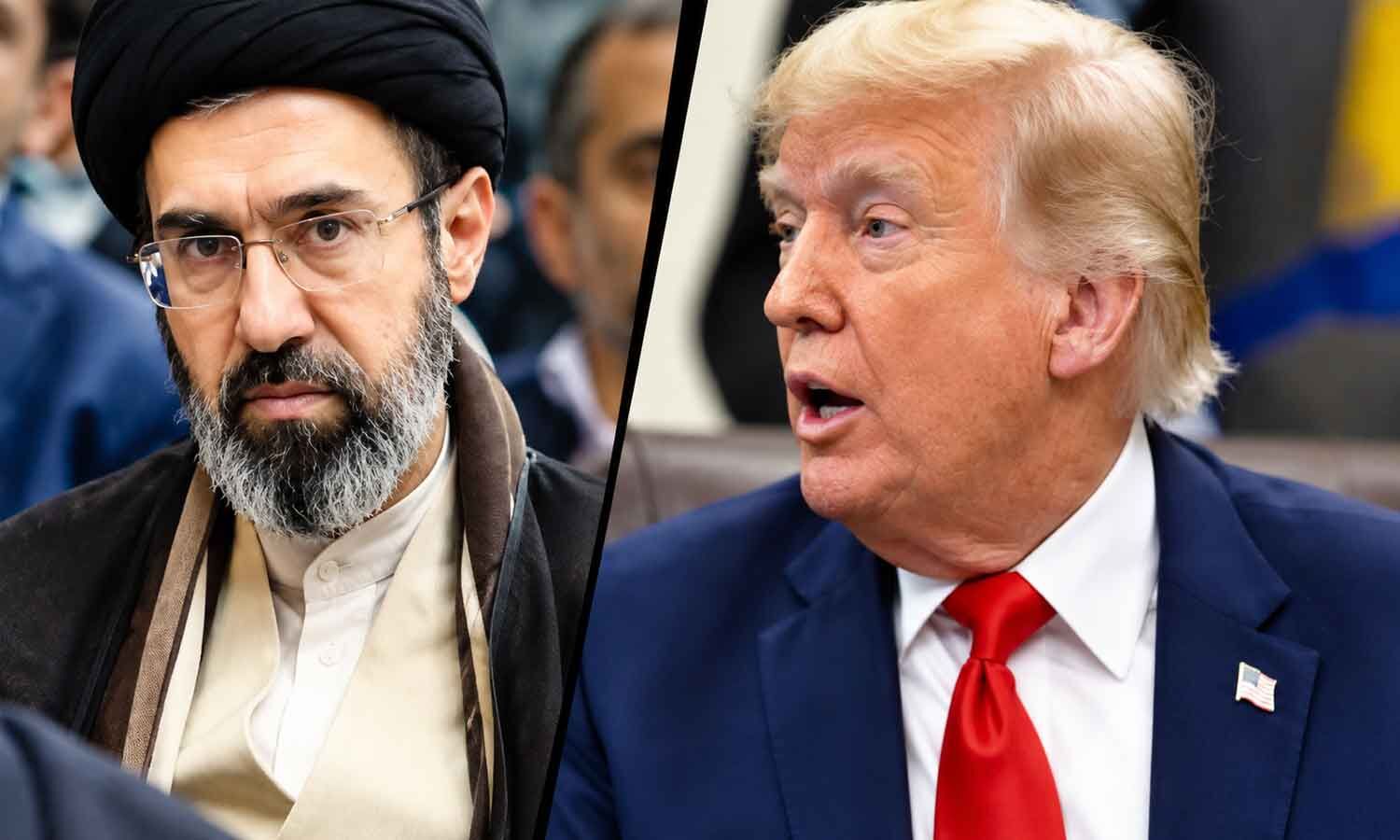
Washington wants Iran’s disputed nuclear program included in negotiations, while President Donald Trump said he rejected Iran’s proposal.
Likelihood of an agreement
Iranian escalation and deterrence
Iranian officials and analysts say prolonged blockade pressure is difficult to sustain but also make an agreement appear unlikely under current conditions.
Negotiation and limited military pressure
Continued indirect talks through Qatar remain possible, although the opposing demands have prevented a clear compromise.
Key facts
- Reported date
- October 1
- Previous ceasefire
- An April 8 ceasefire ended a 40-day war, though sporadic hostilities continued.
- Potential response
- Iran is considering targets beyond US-linked assets, including countries supporting US military operations and locations outside the Middle East.
- Diplomatic proposal
- Iran proposed ending hostilities, reopening the Strait of Hormuz, lifting the US blockade on its ports, releasing at least $12 billion in frozen funds and waiving oil sanctions.
- Main dispute
- Washington wants Iran’s nuclear program included in negotiations; Tehran says nuclear talks can begin only after seven conditions are met.
- Economic pressure
- A US blockade has cut off Iranian oil exports, a critical source of revenue.
- Domestic concerns
- Iranian leaders fear renewed unrest amid economic hardship and pressure from the conflict.
Quotes
An Iranian official
One of the senior Iranian officials cited by Reuters
“Iran cannot afford continuation of US blockades that could be a major game changer essentially taking the oxygen out of the lungs of the regime…escalation at this point is conceivable.”
 theprint.in
“Even if Iran does not reject the US response outright and indirect talks continue, it is very unlikely that the two sides will reach an agreement.”
theprint.in
Sources
Related news
Iran Vows to Fight Back After Trump Rejects Hormuz Plan
Iran Signals Talks While Warning Conflict Could Expand
Iran Warns of Doomsday War, Offers Diplomacy Over Hormuz
Trump Signals Decisive Iran Action Amid Regional Escalation
Iran Warns of Fresh US Attack, Vows Sustained Retaliation
Iran VP Warns Dark Months as Hormuz Tensions Rise
Trump Weighs Military Action or Deal as Iran Awaits Response

Rupee Falls to 96.31 as Oil, Yields, FII Selling Weigh
Global Diesel Crunch Puts India at Center of Supply
Indian refiners hire tankers to navigate Strait of Hormuz