6 hrs ago
Indian refiners hire tankers to navigate Strait of Hormuz
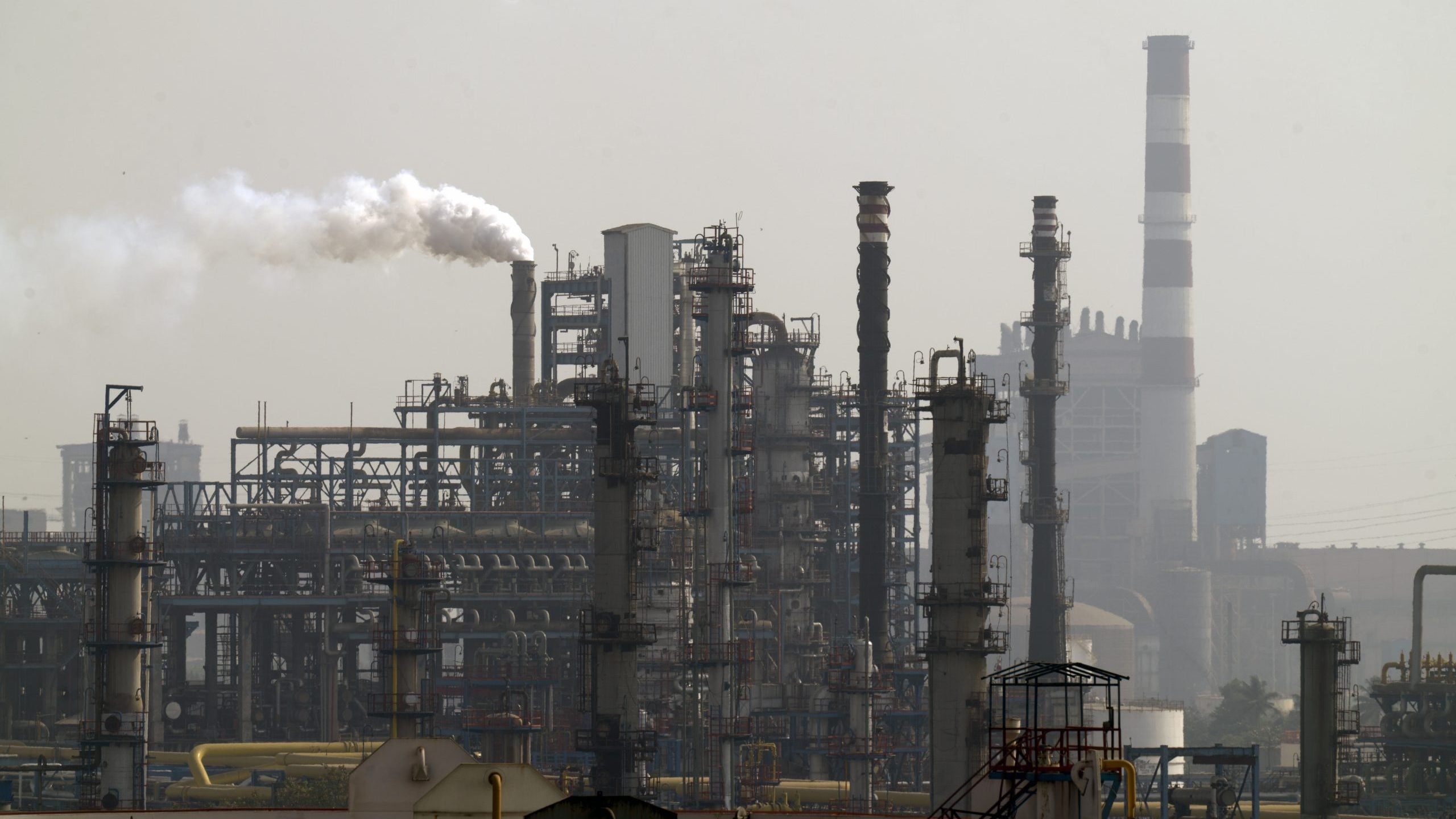
Indian oil companies need ships to bring oil home.
They previously avoided sending their own ships through the Strait of Hormuz because the area was dangerous.
Instead, other companies supplied the oil and handled the risky journey.
Now, Indian refiners are hiring tankers themselves to save money and manage deliveries.
They have bought Iraqi oil under deals that require them to arrange shipping.
Iraq has offered some contracted supplies at large discounts.
However, traveling through the strait still carries safety and operational risks.
More oil is now moving through the waterway, and India is also becoming less willing to buy Russian oil because of pressure from the United States.

Indian refiners are hiring tankers to collect crude from inside the Persian Gulf.
The strategy reverses their earlier reliance on suppliers and traders to handle Hormuz transit risks.
Sinokor Group and Dynacom Tankers Management were reportedly awarded tanker tenders.
Indian refiners have purchased Iraqi crude on a free-on-board basis, seeking greater cost control.
Hormuz shipments to India reached about 1.3 million barrels per day in September, according to Kpler.
- Who
- Indian Oil Corporation, Reliance Industries, Bharat Petroleum Corporation and HPCL-Mittal Energy are among the refiners involved; Sinokor Group and Dynacom Tankers Management reportedly won tenders.
- What
- Indian refiners are hiring tankers to transport crude through the Strait of Hormuz and are buying Iraqi crude on a free-on-board basis.
- Where
- The tankers will collect crude inside the Persian Gulf and transit the Strait of Hormuz to India.
- When
- The strategy has changed in recent weeks, with September flows reaching their highest level since February.
- Why
- The move could reduce shipping costs and help secure supplies, particularly amid discounts on Iraqi crude.
Cost and supply control
Safety and operational risk
Why change the shipping strategy?
Cost and supply control
Hiring tankers directly and buying crude on a free-on-board basis may help refiners capture Iraqi discounts, reduce premiums and control logistics.
Safety and operational risk
Crude must still be collected inside the Strait of Hormuz, where shipping and operational risks remain elevated, according to Kpler analyst Sumit Ritolia.
Key facts
- Reported tender winners
- Sinokor Group and Dynacom Tankers Management Ltd.
- Canceled bids
- Shipping Corporation of India and Lila Global reportedly submitted bids, but those tenders were canceled.
- Iraqi crude discount
- SOMO offered contracted October supplies at discounts of up to $37 per barrel below regional benchmarks.
- September Hormuz flows to India
- About 1.3 million barrels per day, the highest since February.
- Overall Middle Eastern imports
- India imported about 2.8 million barrels per day from the Middle East, including Saudi supplies sent through the Red Sea.
- Shipping advisory
- In August, India softened its advisory by requiring seafarer consent rather than banning Indian crews from Hormuz voyages.
- Regional recovery
- Middle Eastern crude shipments reached 98% of pre-war levels, according to JPMorgan Chase.
Quotes
Sumit Ritolia
Senior manager of modeling at analytics firm Kpler
“The discount is attractive, but the key issue is that the crude still needs to be sourced from inside the Strait of Hormuz, where shipping and operational risks remain elevated. Those who can manage that risk will likely try to leverage the discount and increase purchases.”
 theprint.in
Sources
Related news
Saudi Arabia boosts crude shipments through Strait of Hormuz

Indian Refiners Face Rising Crude Costs Amid Middle East Disruptions
Indian Seafarers Face Risks Sailing Through Strait of Hormuz

Saudi Arabia Turns to Sohar Transfers Amid Hormuz Constraints

India’s Russian Crude Imports Fall as Refiners Diversify
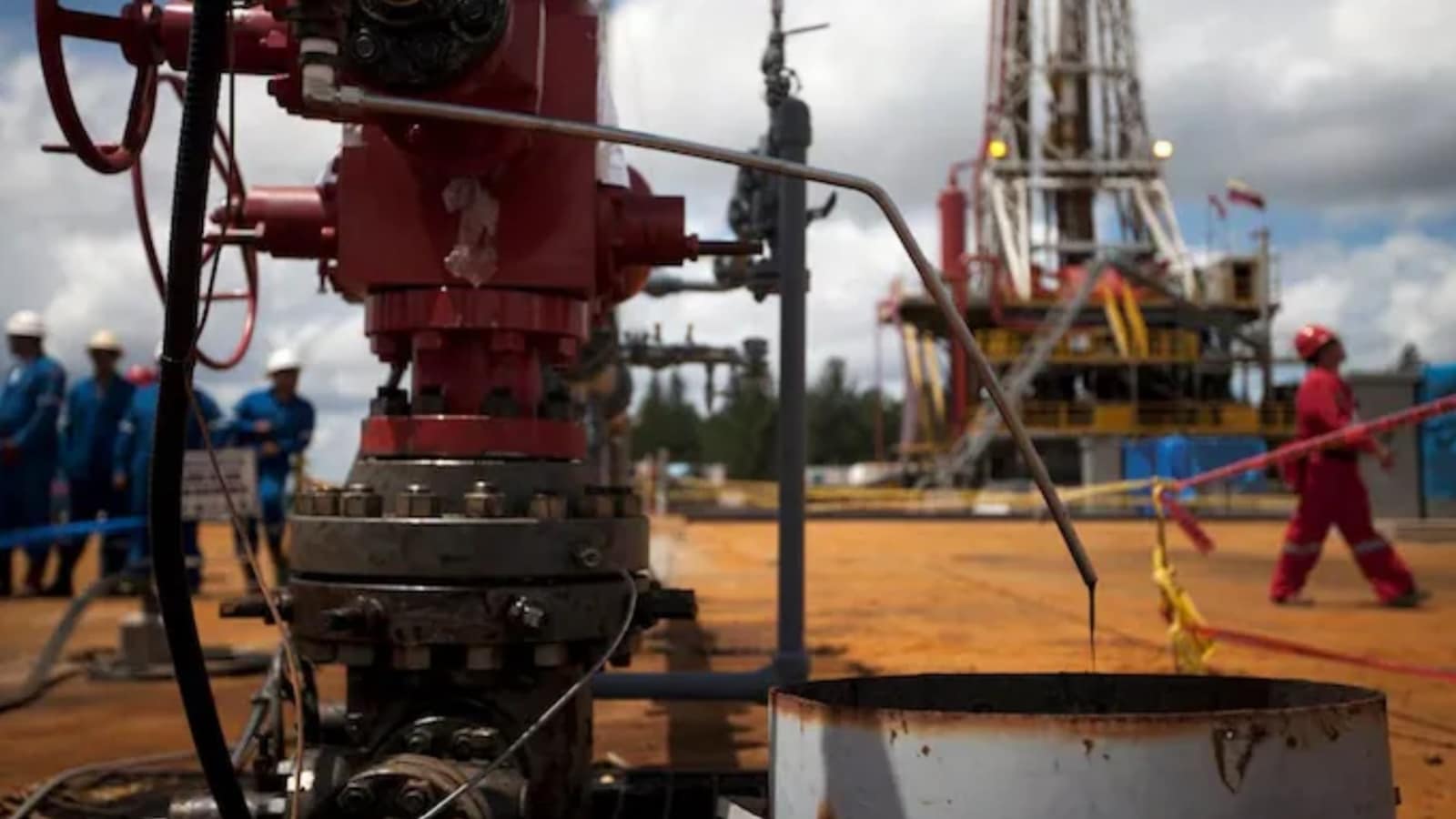
Russian Oil Uncertainty Pressures India's Refiners Amid Middle East War
Trump Weighs Military Action or Deal as Iran Awaits Response
Rupee Falls to 96.31 as Oil, Yields, FII Selling Weigh
Global Diesel Crunch Puts India at Center of Supply

Iran Plans Broader Retaliation as Diplomacy Faces Slim Prospects