1 day ago
What Pitru Paksha Means and Why Hindus Observe It
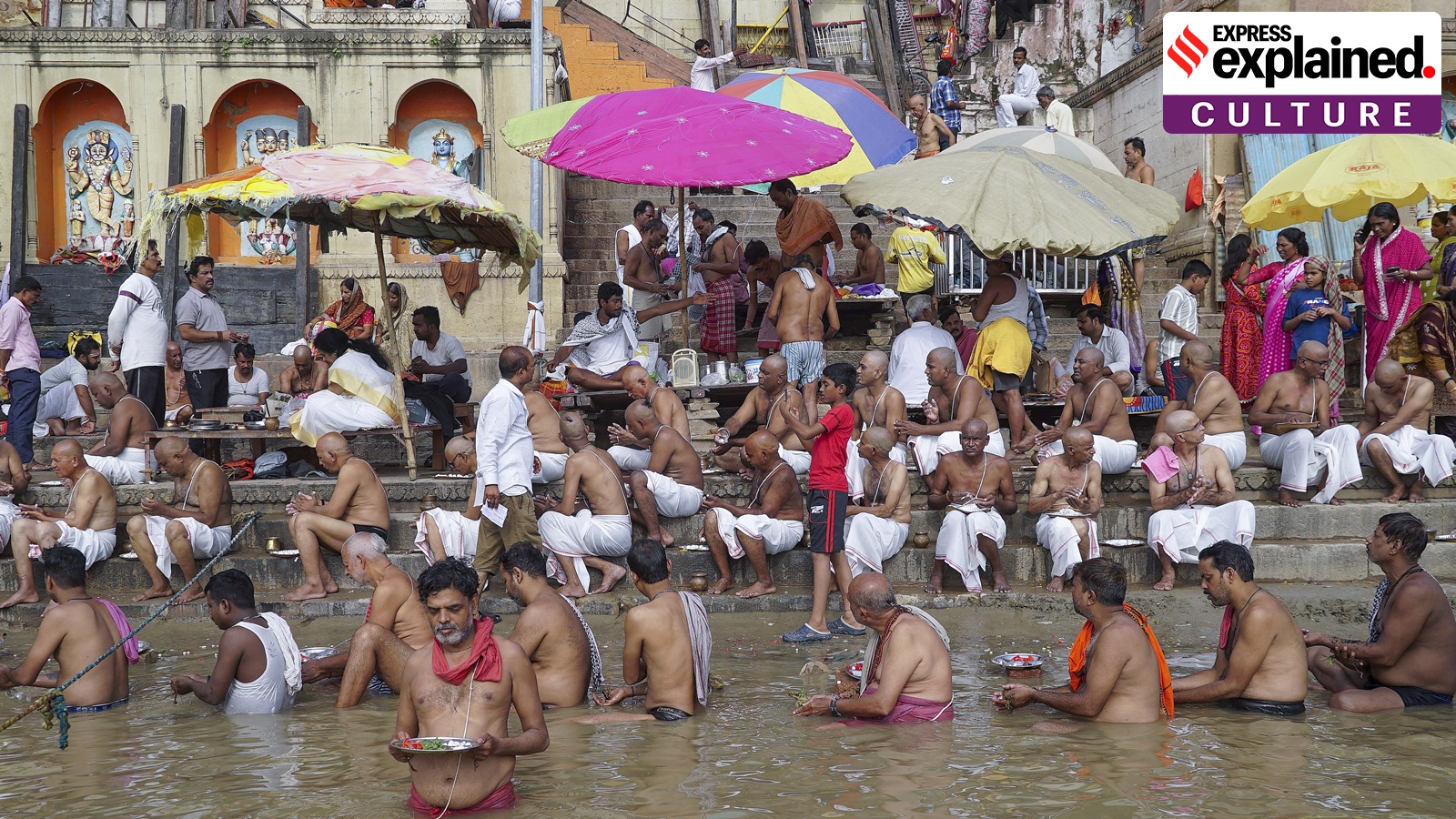
Pitru Paksha is a time when many Hindus remember family members who have died.
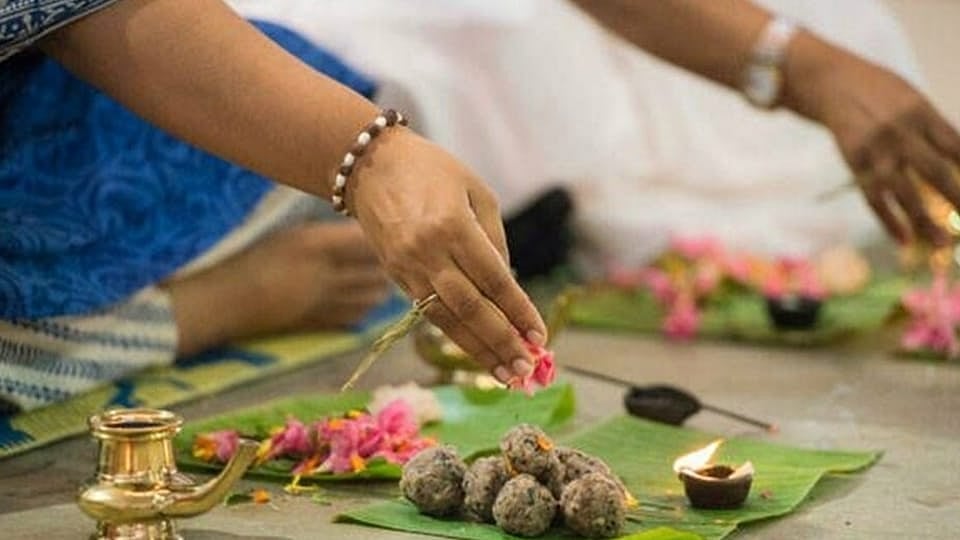
People offer food and water and may donate food.
These offerings are called rituals such as pind daan and tarpan.
The period follows dates in the Hindu lunar calendar and lasts sixteen days when its extra day is included.
Some people believe ancestors come to receive these offerings.
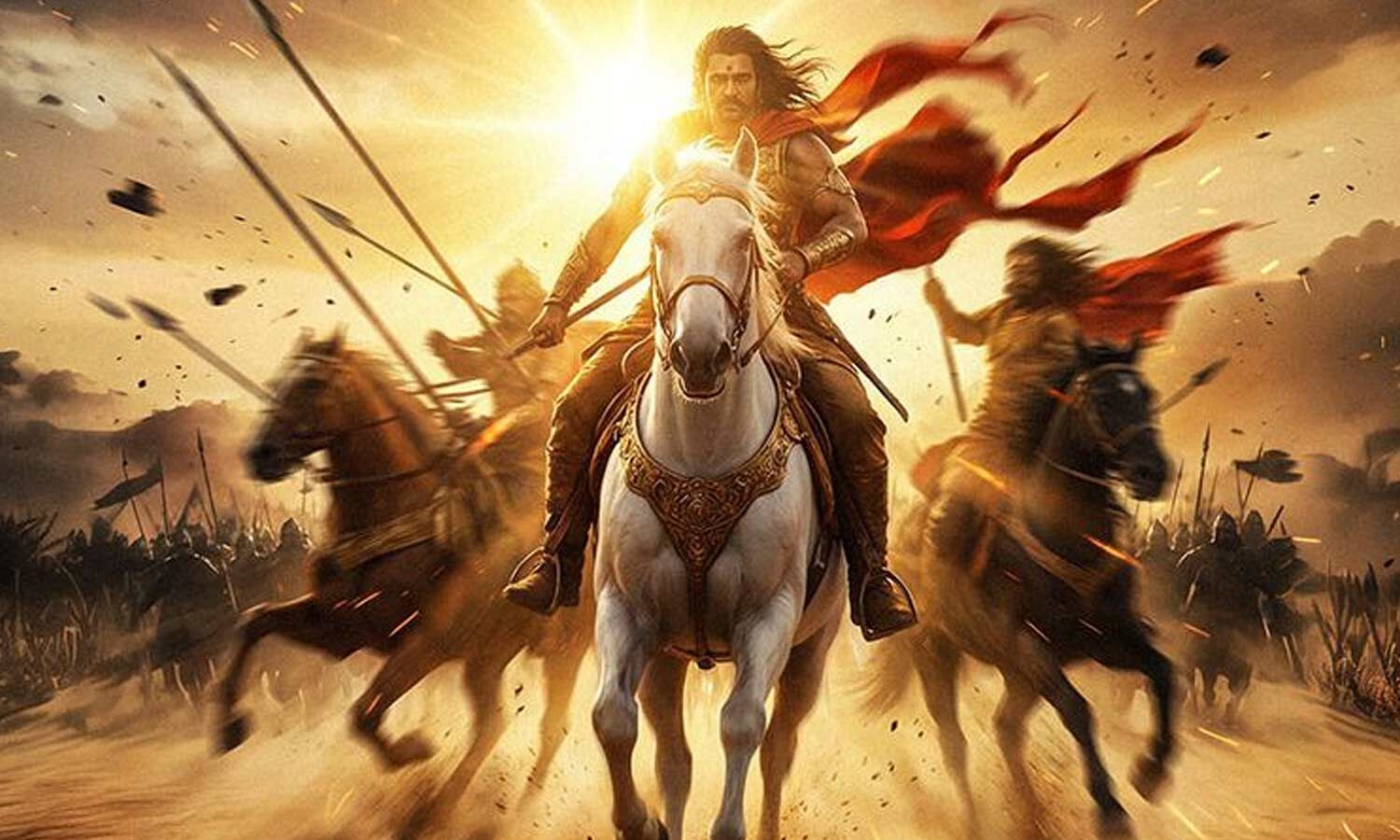
A story about the warrior Karna says he returned to Earth to make offerings for his ancestors.
During this period, some families avoid celebrations that mark new beginnings.
Customs and beliefs may differ among people.

Pitru Paksha is a period for honoring deceased ancestors through rituals and offerings.
It runs from Ashwin Krishna Pratipada to Ashwin Krishna Amavasya, with an additional day for ancestors who died on a full moon.
The article says the period concludes on October 10, but does not specify the year.
Common rites include pind daan, offering cooked rice and grains; tarpan, offering water; and donating food.
Beliefs about the period include ancestors visiting to receive offerings and a Karna legend linking the fortnight to ancestral rites.
- Who
- Hindus observing rites for their deceased ancestors.
- What
- Pitru Paksha, a period for ancestral rituals and offerings.
- Where
- The article describes observance among Hindus and cites beliefs associated with the Trimbakeshwar temple in Nashik.
- When
- In the Hindu months of Bhadrapada and Ashwin; the article says it concludes on October 10 but gives no year.
- Why
- According to beliefs described in the article, offerings honor ancestors and may help their souls find peace or reach heaven.
Key facts
- Meaning
- Paksha means fortnight; pitru means forefathers.
- Calendar period
- Ashwin Krishna Pratipada through Ashwin Krishna Amavasya.
- Duration
- Sixteen days including Bhadrapada Shukla Purnima, for rites for ancestors who died on a full-moon day.
- Key rituals
- Pind daan (offering cooked rice and grains), tarpan (offering water), and anna daan (donating food).
- Common restrictions described
- Some Hindus avoid non-vegetarian food; people performing rites may also avoid onion, garlic, urad, and masoor.
- Calendar endpoint reported
- The article says Pitru Paksha concludes on October 10, without specifying a year.
- Origin story mentioned
- A popular, not commonly scriptural, account connects the observance to Karna’s return to Earth to perform ancestral rites.
Quotes
Dr Ramesh Kumar Upadhyay
President of the Bhartiya Jyotish Aadhyatm parishad in Jamshedpur.
“During Pitru Paksha, Lord Indra frees ancestors residing in heaven, and Yamraj (also called Dharmaraj) frees those residing in hell, sending them to earth to receive their descendants’ offerings. Offering food and water to your forefathers in this period gives spiritual benefits to you as well as them.”
 indianexpress.com
Trimbakeshwar temple website
The website of the Trimbakeshwar temple in Nashik.
“It is believed that there is a Pitru Loka which is the place where the souls find their place after death; it is between Earth and heaven. To reach heaven, Pitru Loka needs to be cleared. With proper Shradh rites, souls can leave Pitru Loka and find their peace in heaven.”
indianexpress.com
Sources
Related news
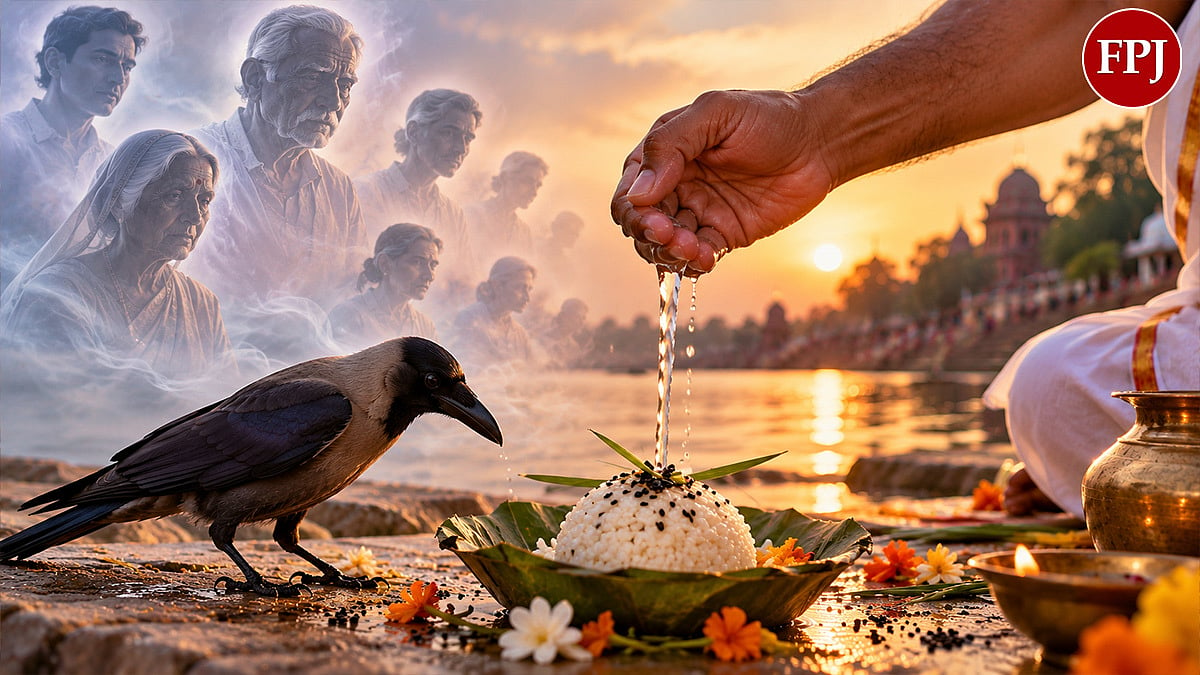
Pitru Paksha 2026: Shradh Rituals, Dates and Significance
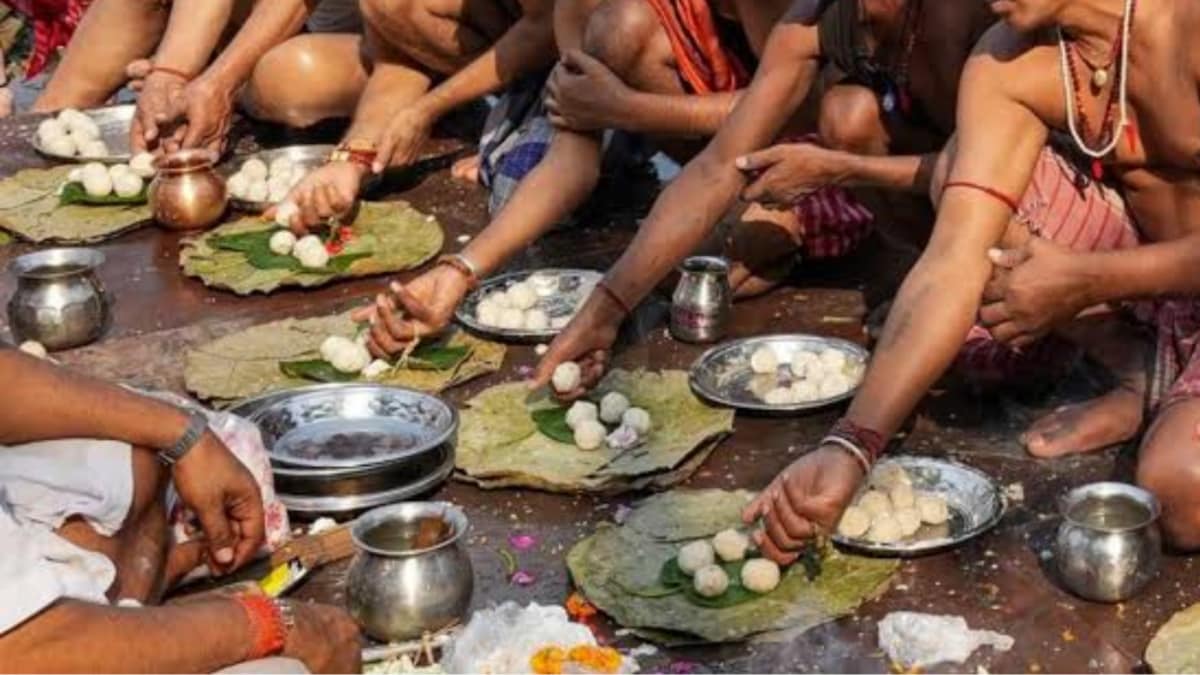
Pitru Paksha 2026: Dates, Rituals, Dos And Don’ts Explained
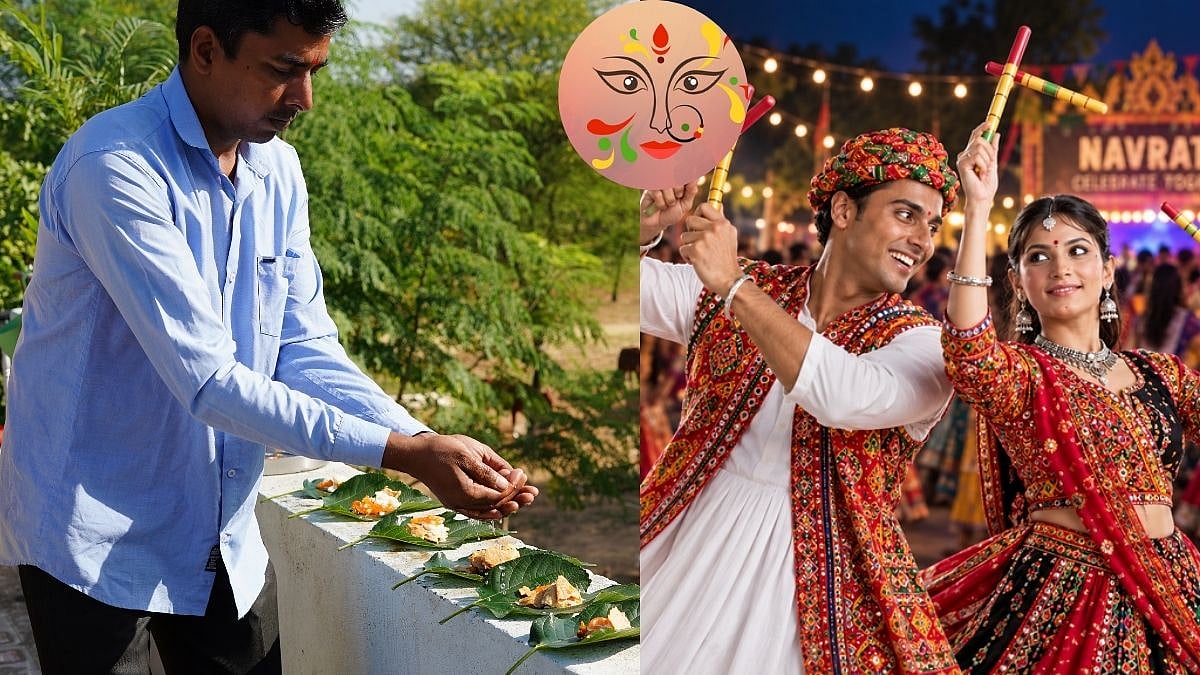
Why Shardiya Navratri Begins After Pitru Paksha Ends
Why Crows Are Fed During Pitru Paksha Shradh Rituals

Pitru Paksha 2026: Tarpan Ritual Honors Ancestors
Sarva Pitru Amavasya 2026: Date, Rituals and Timings

Raghava Lawrence Revealed as Karna in ₹150 Crore Epic

What Heroes Reveal About Power, Duty and Modern Society
Mahaveer Karna Brings Epic Hero’s Story to Big Screen

New OTT Releases: ‘The Devil Wears Prada 2’ to ‘Balan’