6 days ago
Pitru Paksha 2026: Tarpan Ritual Honors Ancestors

Pitru Paksha is a special period in Hindu tradition for remembering and honoring ancestors.
It is also called Shraddh Paksha.
In 2026, it begins on September 26 and ends on October 10.
During this time, families perform special rituals for relatives who have died.
One important ritual is called Tarpan.
People offer water mixed with sesame seeds, barley, and kusha grass.
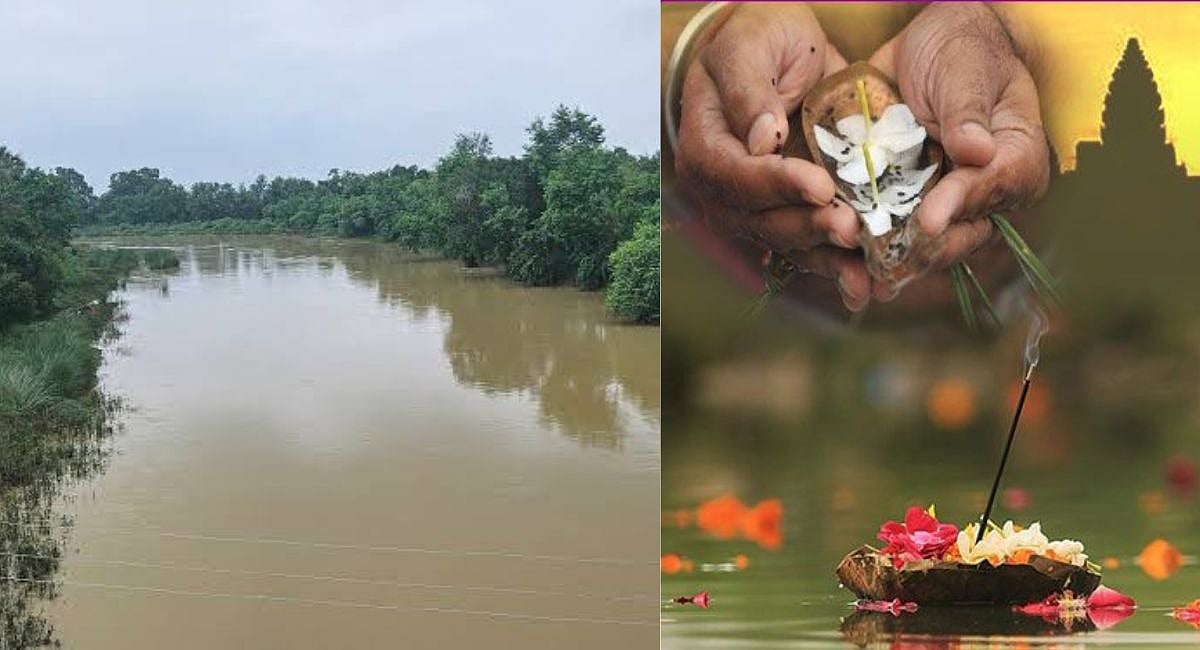
They chant mantras while standing near a river, pond, or another sacred water body.
The offering represents respect and is believed to satisfy ancestors and bring their blessings.
People traditionally avoid celebrations and buying new things during this period.

Pitru Paksha, also called Shraddh Paksha, is dedicated to honoring ancestors in Hindu tradition.
In 2026, the period begins on September 26, coinciding with Bhadrapada Purnima.
Pitru Paksha is described as a 15- or 16-day period ending on October 10 with Sarva Pitru Amavasya.
Tarpan involves offering water mixed with sesame seeds, barley, and kusha grass while chanting mantras.
The ritual is traditionally performed near rivers, ponds, or other holy water bodies to express respect and fulfill ancestral obligations.
- Who
- Hindu devotees and families honoring their departed ancestors.
- What
- Pitru Paksha and the Tarpan ritual, an offering of water and other items to ancestors.
- Where
- Tarpan is traditionally performed near rivers, ponds, or other holy water bodies and sacred spaces.
- When
- Pitru Paksha 2026 runs from September 26 to October 10, according to the article.
- Why
- The ritual expresses respect, remembrance, appreciation, and the obligation owed to ancestors, known as Pitru Rina.
Key facts
- Period
- September 26 to October 10, 2026
- Starting observance
- Bhadrapada Purnima
- Closing observance
- Sarva Pitru Amavasya, also called Mahalaya Amavasya
- Alternative name
- Shraddh Paksha
- Tarpan offering
- Water mixed with sesame seeds, barley, and kusha grass
- Ritual setting
- Riverbanks, ponds, holy water bodies, or sacred spaces
- Traditional restrictions
- Celebrations and the purchase of new things are traditionally avoided
Sources
Related news
Pitru Paksha 2026 Dates, Significance And Rituals Explained
Pitru Paksha 2026: Dates, Rituals, Dos And Don’ts Explained
Pitru Paksha 2026 Guide to Finding Shraddha Dates
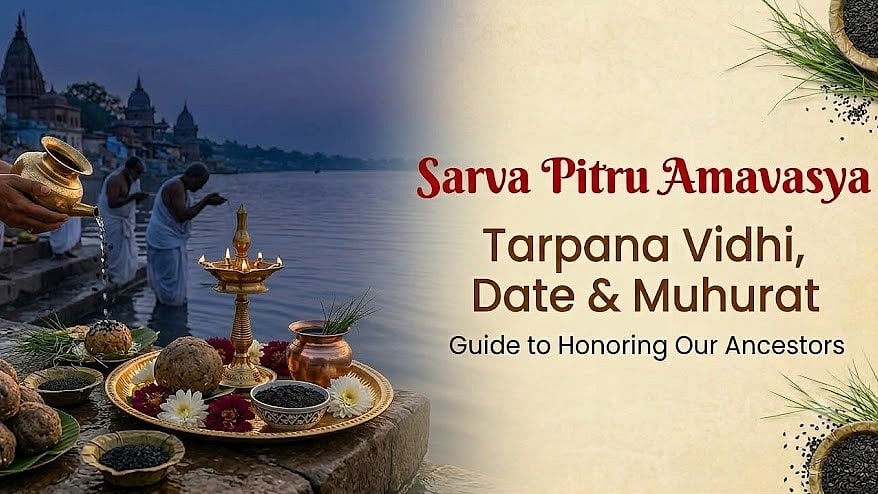
Sarva Pitru Amavasya 2026: Date, Timings and Rituals

Pitru Paksha 2026 Begins September 26: Shradh Dates and Rules