20 hrs ago
What Heroes Reveal About Power, Duty and Modern Society
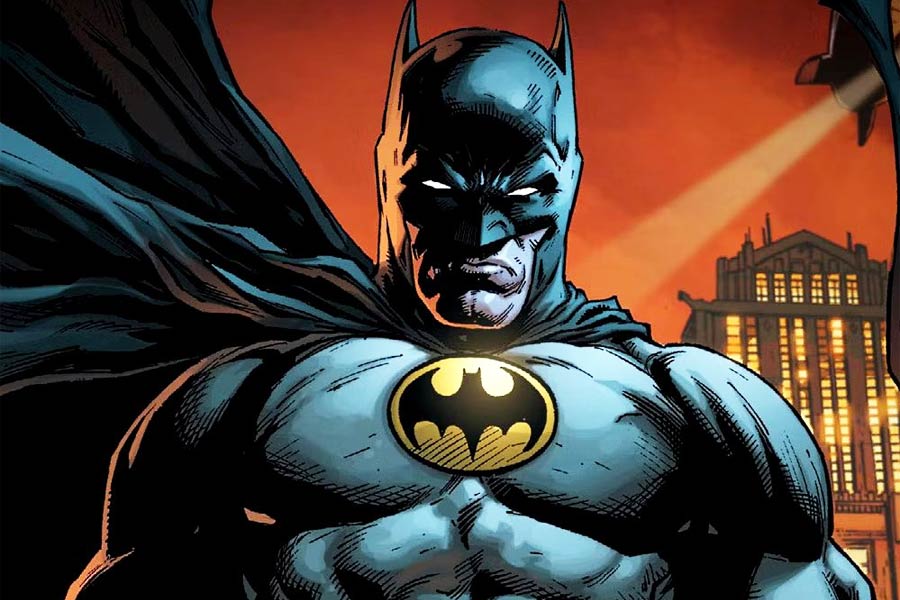
The article asks what makes someone a hero.
Some heroes are powerful fighters who protect people, but their pride can also cause harm.
Other heroes are great because they use power responsibly and give it up when their task is finished.
Some heroes follow their conscience even when laws or society disagree with them.
Batman is an example, but his wealth also connects him to the unequal system he fights.
There are also everyday heroes, such as teachers, officials, neighbours and journalists who do the right thing.
These people help protect fairness and the rule of law.
A healthy society needs many ordinary heroes so it does not depend on one powerful rescuer.

Batman Day prompts reflection on why societies create heroes and grant them authority.
Epic heroes such as Achilles and Karna can defend communities but may endanger them through pride and misplaced loyalty.
Magnanimous heroes, including Cincinnatus and Mahatma Gandhi, demonstrate greatness by combining ability with virtue and restraint.
Romantic heroes such as Subhas Chandra Bose and Batman rely on personal conscience rather than public approval or formal authority.
The article argues that ordinary civic heroes are essential because they defend institutions and make exceptional saviours less necessary.
- Who
- The article discusses Batman, legendary and historical heroes, and ordinary people who defend others and public institutions.
- What
- It examines different ideas of heroism and the benefits and dangers of giving exceptional individuals authority.
- Where
- The discussion ranges from Gotham and Greek and Indian epics to modern republics and everyday civic life.
- When
- The reflection is tied to Batman Day, described as taking place the day after publication.
- Why
- It argues that societies create heroes for protection and moral leadership, but should strengthen institutions so they do not depend on caped or exceptional saviours.
Exceptional Heroes
Common Civic Heroes
Source of authority
Exceptional Heroes
Exceptional heroes such as Batman or Subhas Chandra Bose act from unusual ability, personal conscience or moral conviction, even without formal public authorization.
Common Civic Heroes
Common heroes such as Commissioner Gordon derive their importance from steady duty, institutional responsibility and everyday moral courage.
Value and danger
Exceptional Heroes
Powerful heroes can protect communities when ordinary abilities are inadequate, especially during war, crisis or tyranny; however, pride, personal bias and concentrated authority can cause harm.
Common Civic Heroes
Ordinary civic heroes expose injustice early, defend institutions daily and distribute responsibility, reducing dependence on a single powerful rescuer.
Batman’s role
Exceptional Heroes
Batman’s personal mission allows him to confront corruption and crime when Gotham’s institutions fail.
Common Civic Heroes
Batman’s wealth and private authority are tied to Gotham’s unequal economic order, and his methods do not remove the conditions that produce suffering.
Key facts
- Occasion
- Batman Day
- Epic hero
- A powerful defender whose pride can also threaten the community
- Magnanimous hero
- A capable and virtuous figure who proves greatness by surrendering power
- Romantic hero
- A person guided by conscience and personal conviction over law or public approval
- Batman’s contradiction
- He fights crime but does not dismantle the inequality and privilege embedded in Gotham’s system
- Common hero
- An ordinary person who protects others, performs duty or defends the rule of law
- Central argument
- Societies become stronger when responsibility is distributed and exceptional rescues become unnecessary
Quotes
Batman
Fictional superhero quoted from The Dark Knight Rises
“A hero can be anyone, even a man doing something as simple and reassuring as putting a coat on a young boy’s shoulders to let him know the world hadn’t ended.”
 telegraphindia.com
Sources
Related news

Tukaram Mundhe’s Example Sparks Debate Over Institutional Ethics
Delhi Posters Cast Rahul Gandhi as Real-Life Batman

Lombardi Quote Inspires Habit-Building, But Its Attribution Remains Uncertain

Why Bengal Still Needs Its Beloved Uttam Kumar
Real-Life Superheroes Tackle Fires, Flooding and Community Problems
Modi’s 25 Years in Public Service Framed as Seva
Mahaveer Karna Brings Epic Hero’s Story to Big Screen

New OTT Releases: ‘The Devil Wears Prada 2’ to ‘Balan’