12 hrs ago
Why Shardiya Navratri Begins After Pitru Paksha Ends
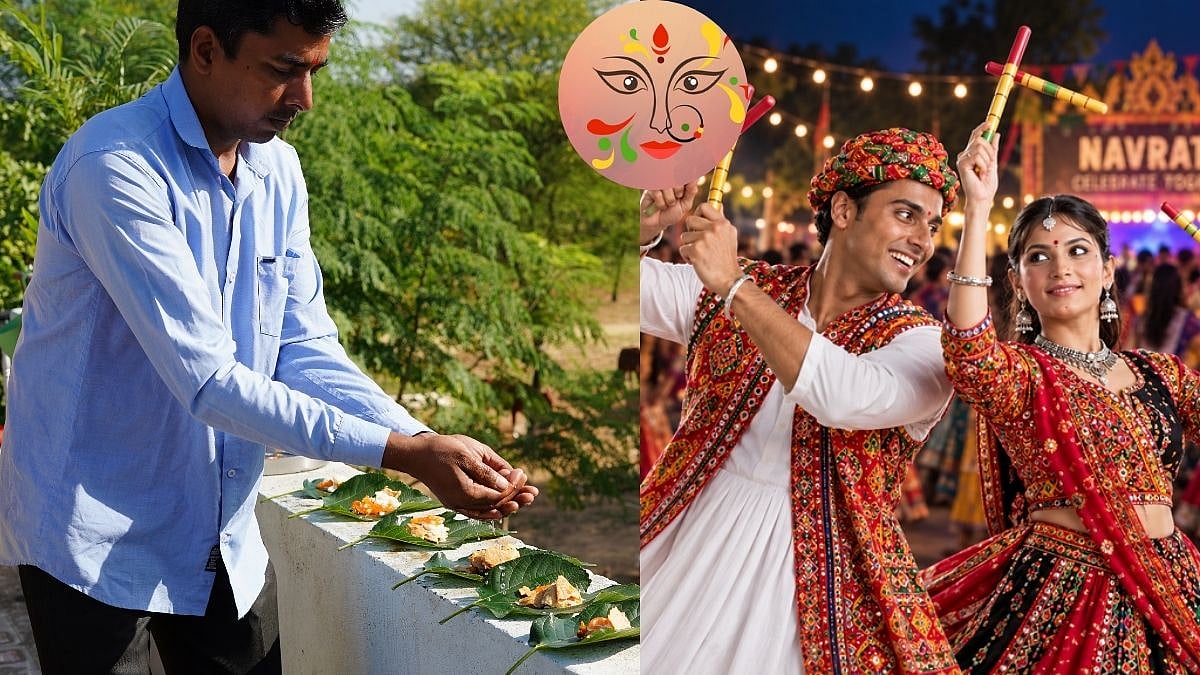
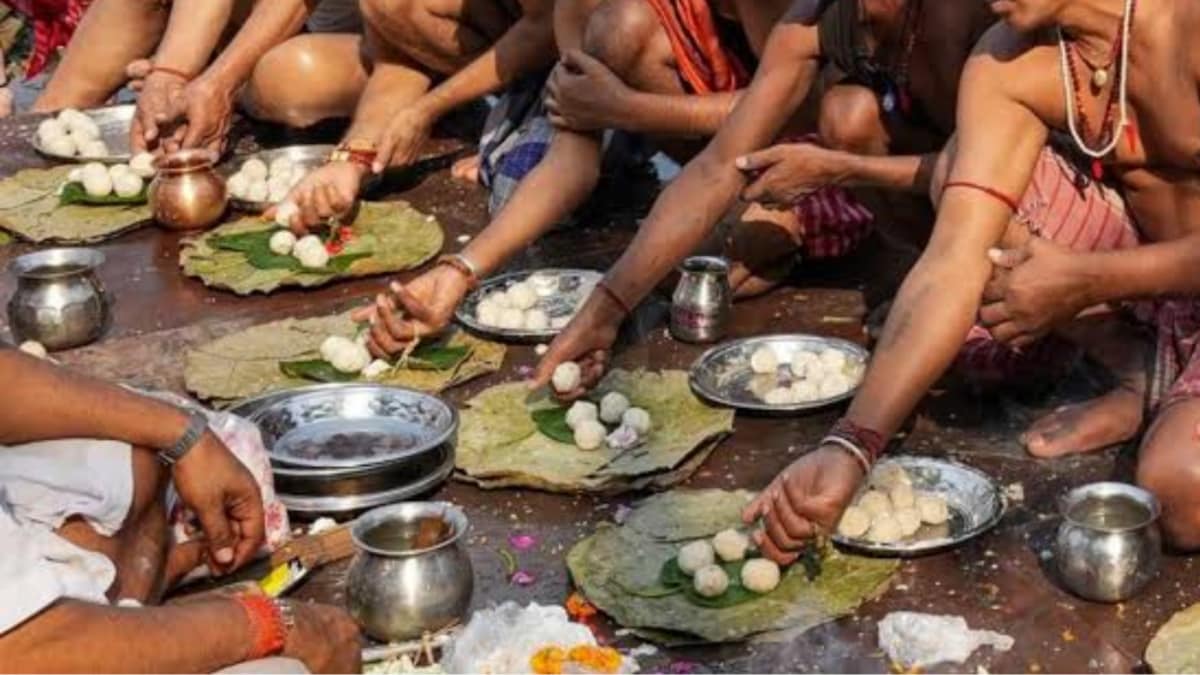
Pitru Paksha is a time when many Hindus remember and honour their ancestors.
People may perform rituals such as shraddha, tarpana and pind daan.
This period ends on a new-moon day called Mahalaya Amavasya.
Shardiya Navratri starts the next day.
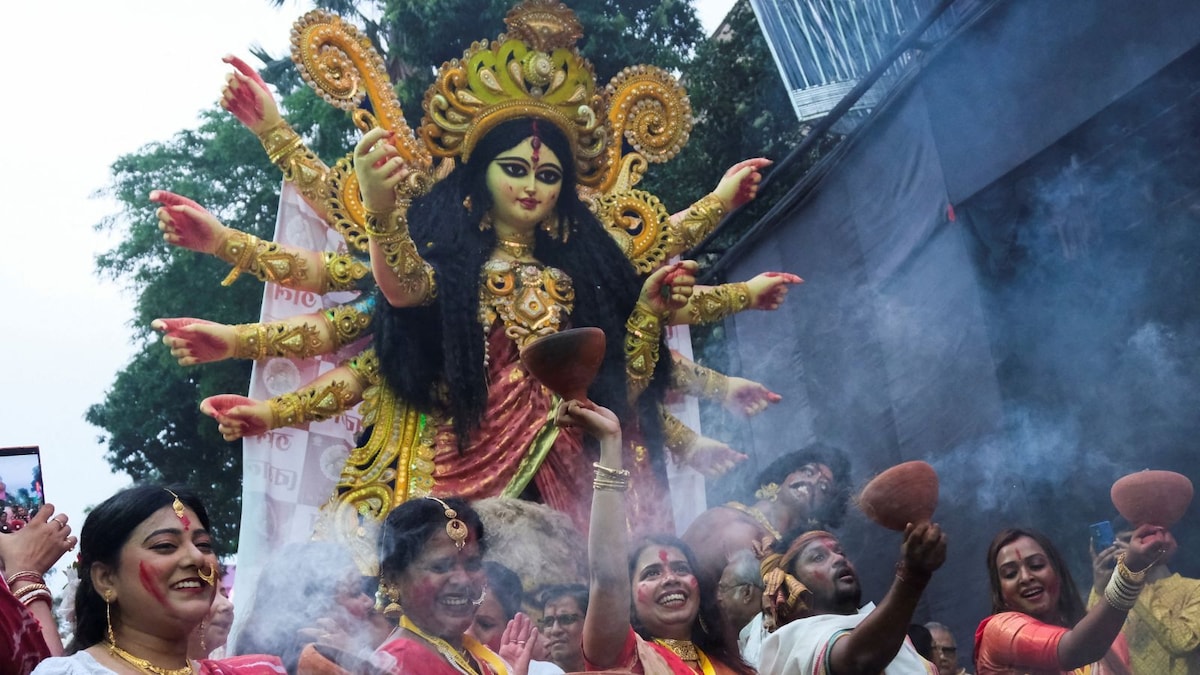
During Navratri, devotees worship Goddess Durga and her nine forms for nine nights.
The article describes the change as a move from remembering ancestors to a more celebratory time of worship.
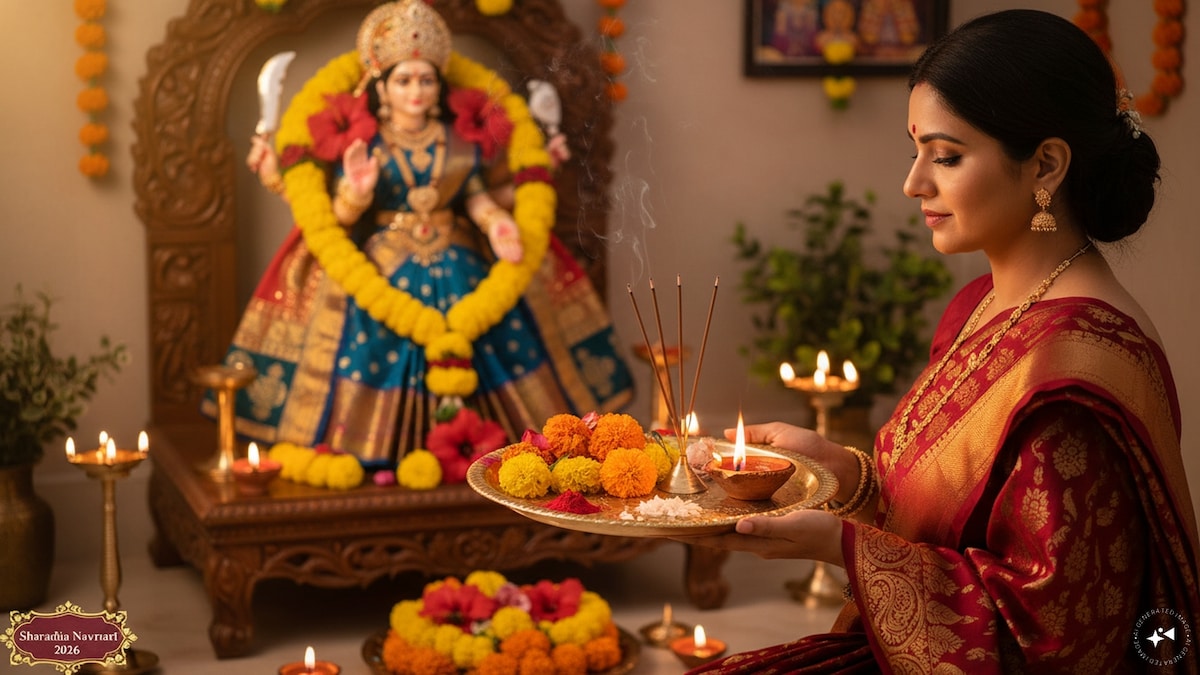
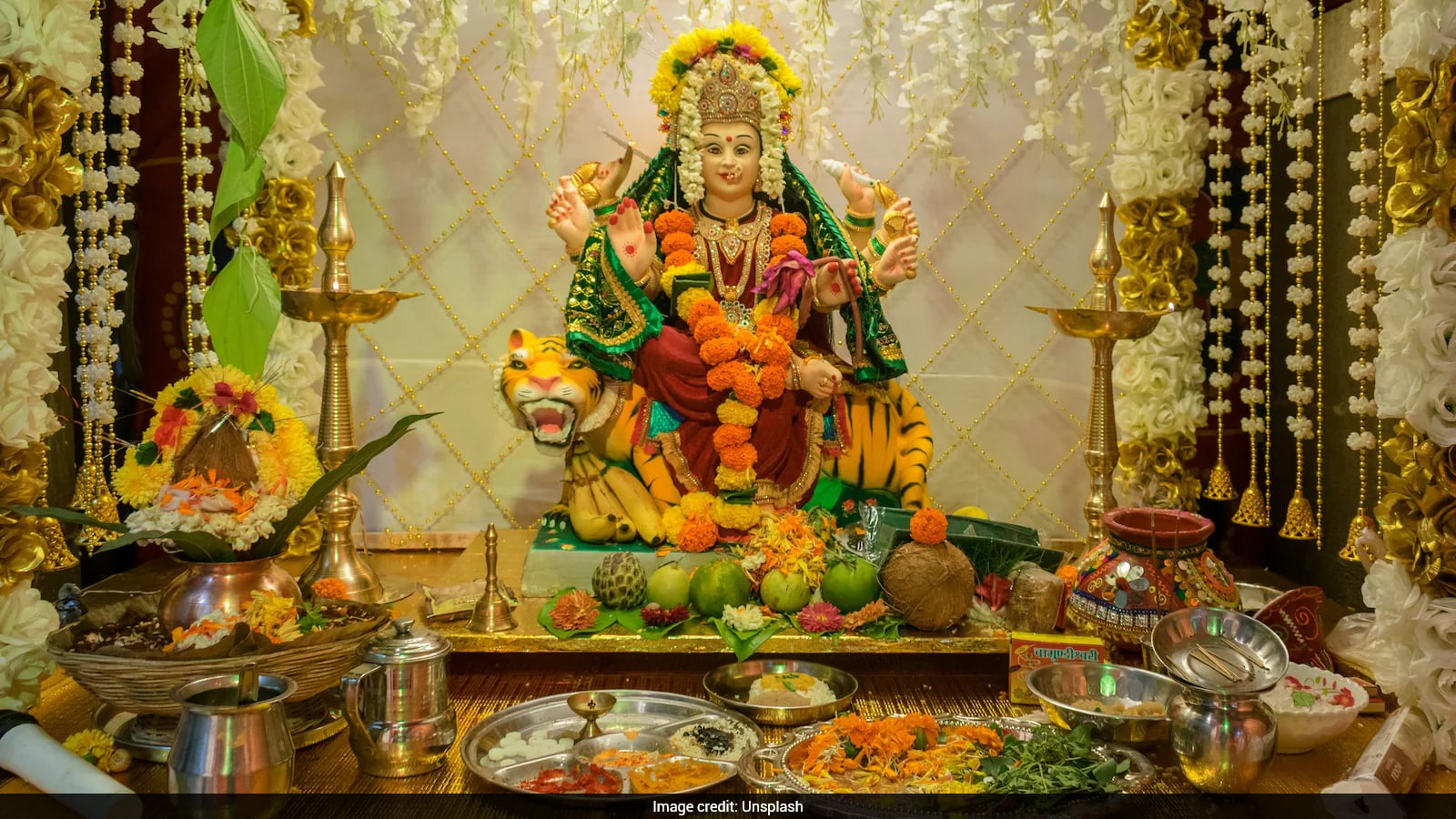
Some people begin Navratri with a ritual called Ghatasthapana or Kalash Sthapana.
In 2026, the two observances fall on October 10 and October 11, respectively.

Pitru Paksha is a 15- or 16-day lunar period for honouring ancestors.
It concludes with Sarvapitru Amavasya, also called Mahalaya Amavasya.
Shardiya Navratri begins the next day, on Ashwin’s Shukla Paksha Pratipada.
In 2026, Mahalaya Amavasya falls on October 10 and Navratri begins October 11.
The transition moves from ancestor-focused remembrance to worship of Goddess Durga and her nine forms.
- Who
- Hindus and devotees observing Pitru Paksha and Shardiya Navratri.
- What
- Pitru Paksha ends and Shardiya Navratri begins the following day.
- Where
- The observances are described as Hindu religious traditions; no specific location is given.
- When
- In 2026, Mahalaya Amavasya is October 10 and Navratri begins October 11.
- Why
- The transition follows the lunar calendar and is traditionally understood as completing duties to ancestors before beginning an auspicious period of worship.
Key facts
- Pitru Paksha duration
- 15 or 16 lunar days
- Pitru Paksha concludes
- Sarvapitru Amavasya, also known as Mahalaya Amavasya
- Navratri begins
- On Pratipada, the first day of Ashwin's Shukla Paksha
- 2026 Mahalaya Amavasya
- October 10
- 2026 Shardiya Navratri start
- October 11
- Pitru Paksha rituals mentioned
- Shraddha, tarpana and pind daan
- Navratri observance
- Devotees worship Goddess Durga in her nine forms over nine nights
Sources
Related news

Shardiya Navratri 2026 Begins October 11, Ashtami Navami Coincide
Pitru Paksha 2026 Guide to Finding Shraddha Dates
Shardiya Navratri 2026: Dates, Muhurat, Rituals And Significance
Pitru Paksha 2026: Dates, Rituals, Dos And Don’ts Explained
Navratri 2026: Dates, Nine Goddesses, Colours and Traditions
Sharadiya Navratri 2026: Dates, Colours, Rituals and Puja Calendar
Sharad Navratri 2026: Ghatasthapana Timing and Kalash Setup Guide
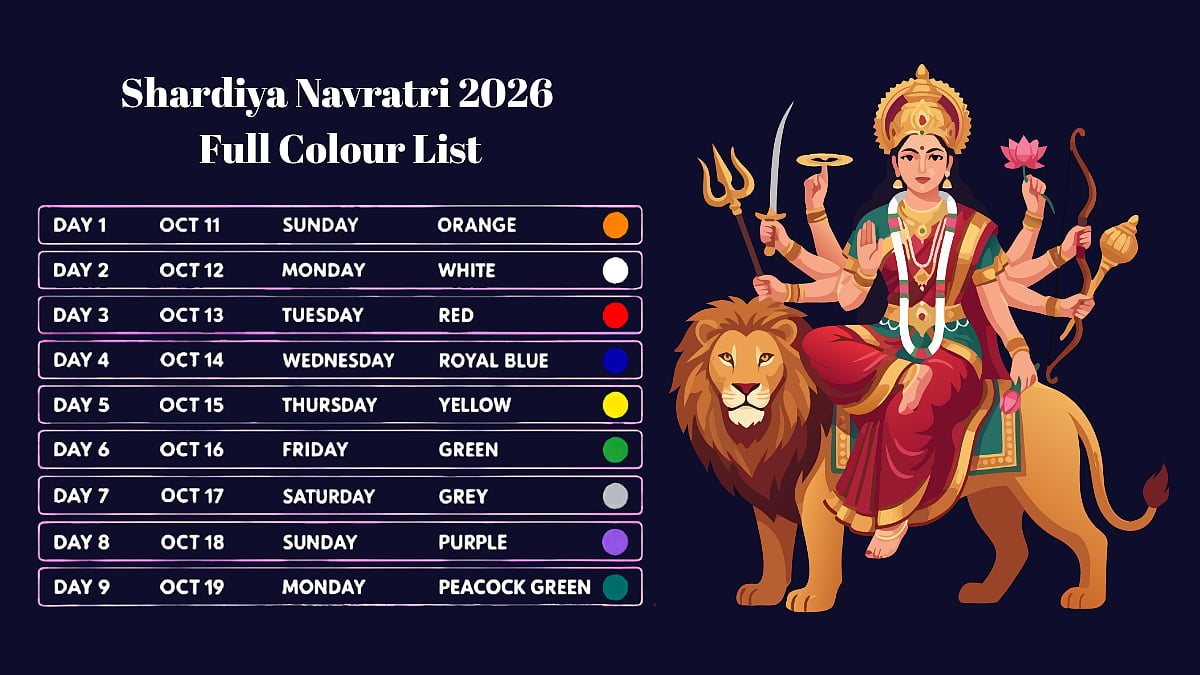
Shardiya Navratri 2026: Nine Colours and Their Meanings
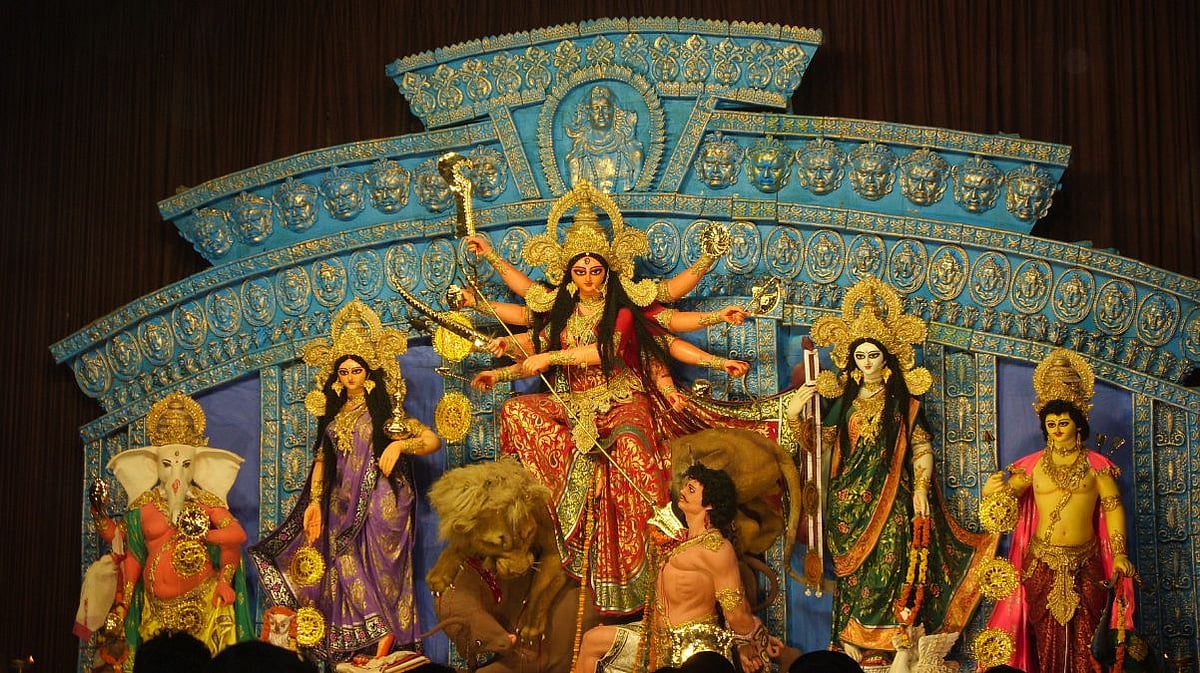
Navratri and Durga Puja Differ in Rituals and Regional Traditions