

3 hrs ago
Oil Prices Dip as Iran Truce Hopes Offset Attack Fears
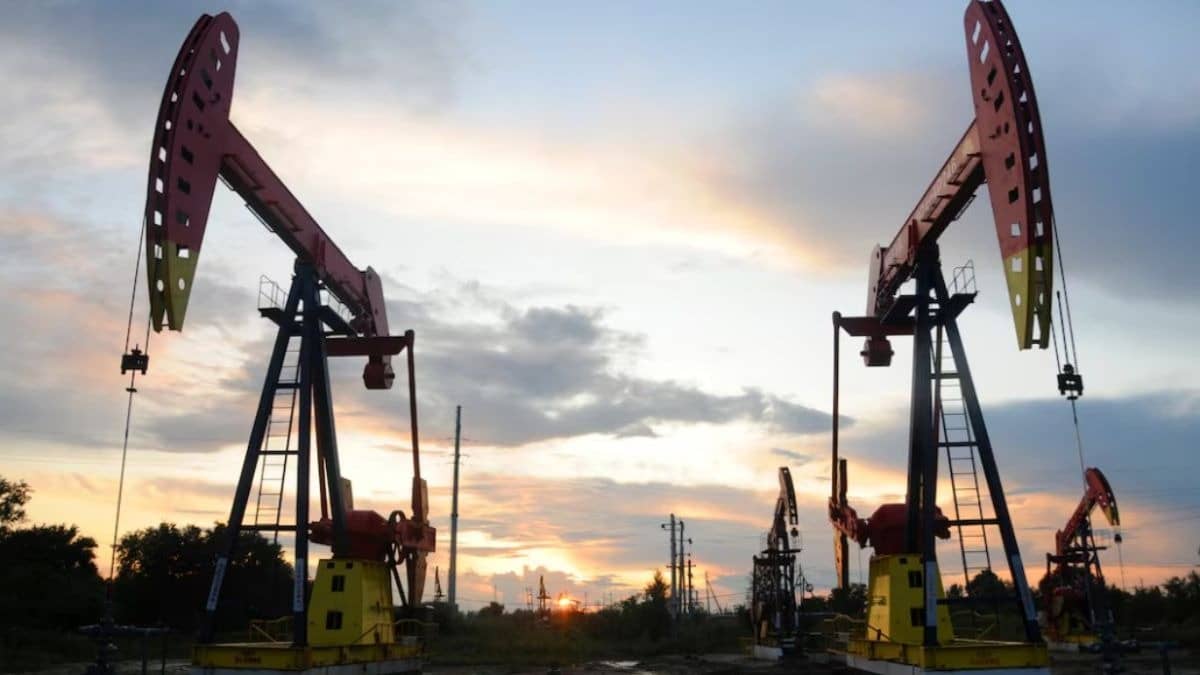
Oil prices went down a little on Friday.
Traders are hopeful that the United States and Iran might find a way to reduce their conflict.
A possible agreement could involve Iran reopening the Strait of Hormuz and the United States lifting its economic blockade.
However, attacks in the region are making traders nervous.
Saudi Arabia said it stopped six missiles fired by Yemen's Houthis.
These attacks could threaten important oil facilities and shipping routes.
Oil prices had been very changeable during the week.
The possibility of peace pushed prices down, while fears about more attacks kept them from falling further.

Brent crude fell 74 cents to $105.85 a barrel, while WTI dropped 81 cents to $93.80.
Prices eased as markets considered possible US-Iran negotiations alongside fresh attacks linked to Yemen's Houthis.
US and Iranian negotiators are reportedly exploring a phased plan involving the Strait of Hormuz and sanctions relief.
Saudi Arabia said it intercepted six ballistic missiles targeting areas including Taif and Yanbu.
About one-fifth of global oil and gas shipments have reportedly been curtailed since the war began at the end of February.
- Who
- Oil traders, US and Iranian negotiators, Iran, Saudi Arabia, and Yemen's Houthis.
- What
- Oil prices fell slightly as markets balanced hopes for an Iran truce against continued attacks and risks to oil infrastructure.
- Where
- Markets focused on the Middle East, including the Strait of Hormuz, Saudi Arabia, and Yemen.
- When
- Friday, with prices recorded at 0032 GMT; the reported war began at the end of February.
- Why
- Possible US-Iran diplomacy supported lower prices, while missile attacks and threats to critical oil assets created caution.
Diplomatic Optimism
Security Caution
Effect on oil prices
Diplomatic Optimism
Hopes for a phased US-Iran agreement are helping oil prices remain moderate despite military strikes.
Security Caution
Continued attacks show that oil facilities and shipping routes remain exposed, limiting how far prices may fall.
Path toward ending the conflict
Diplomatic Optimism
Iranian and US negotiators are reportedly discussing steps that could reduce the conflict, including reopening the Strait of Hormuz.
Security Caution
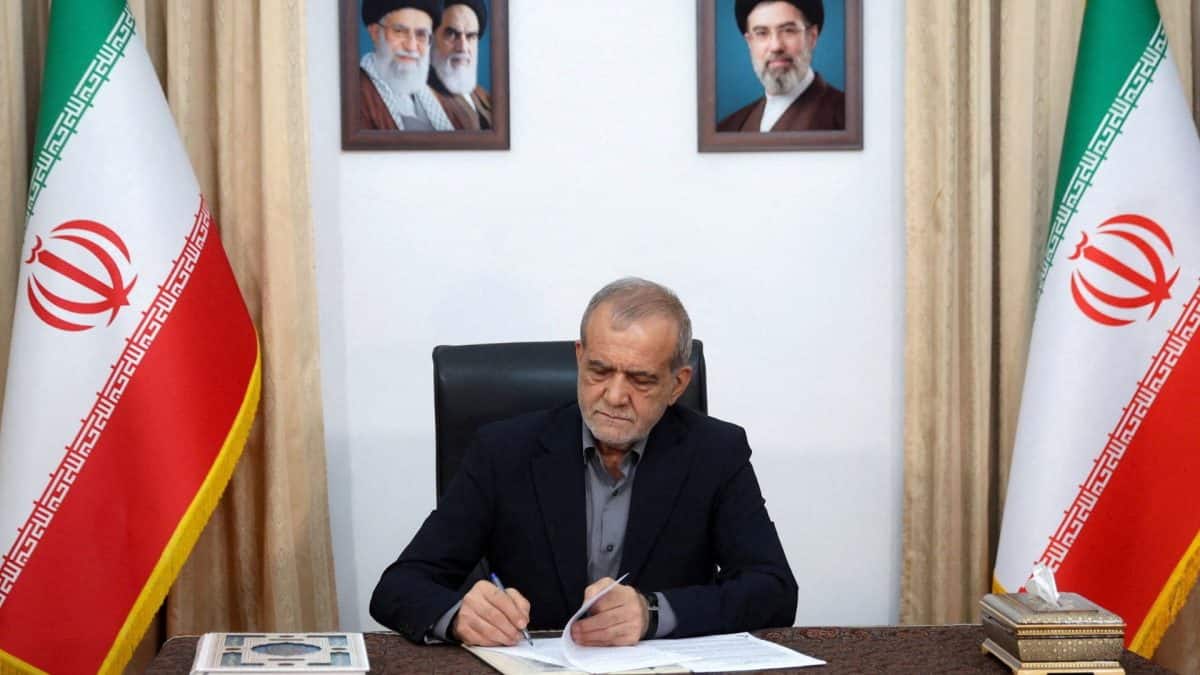
Iranian President Masoud Pezeshkian said the United States must choose whether to end the war, while missile attacks continue in the region.
Key facts
- Brent price
- $105.85 a barrel, down 74 cents or 0.69%.
- WTI price
- $93.80 a barrel, down 81 cents or 0.86%.
- Reported negotiations
- US and Iranian negotiators are exploring a phased path out of the war.
- Possible agreement
- Iran could reopen the Strait of Hormuz while Washington lifts its economic blockade of Iran.
- Saudi missile interceptions
- Saudi Arabia said it intercepted six ballistic missiles fired by Yemen's Houthis.
- Shipping disruption
- Around one-fifth of global oil and gas shipments have reportedly been curtailed since the war began.
- Weekly performance
- WTI was down 6.42% for the week, while Brent was up 2.09%.
Quotes
Tim Waterer
Chief analyst at KCM Trade
“Diplomatic hopes are essentially helping oil prices weather the latest military strikes in the Middle East, with crude trading moderately softer despite the attacks.”
 republicworld.com
“Ongoing attacks “serve as a clear reminder that critical oil assets remain firmly in the firing line,””
republicworld.com

Masoud Pezeshkian
President of Iran
“It's America that must choose whether it wants to end this or not.”
republicworld.com
Sources
Related news

Oil prices edge lower amid United States-Iran war uncertainty

Oil prices extend losses as diplomacy offsets US-Iran tensions

Oil Falls as Hormuz Flows and US-Iran Diplomacy Ease Fears

Oil Rises as US Strikes Iranian Launchers Near Hormuz

Oil Prices Extend Losses as Hormuz Talks Raise Supply Hopes
Oil Prices Near USD 100 as Iran-US Tensions Disrupt Supply
Treasury Yields Surge as Oil and Data Lift Rate Bets
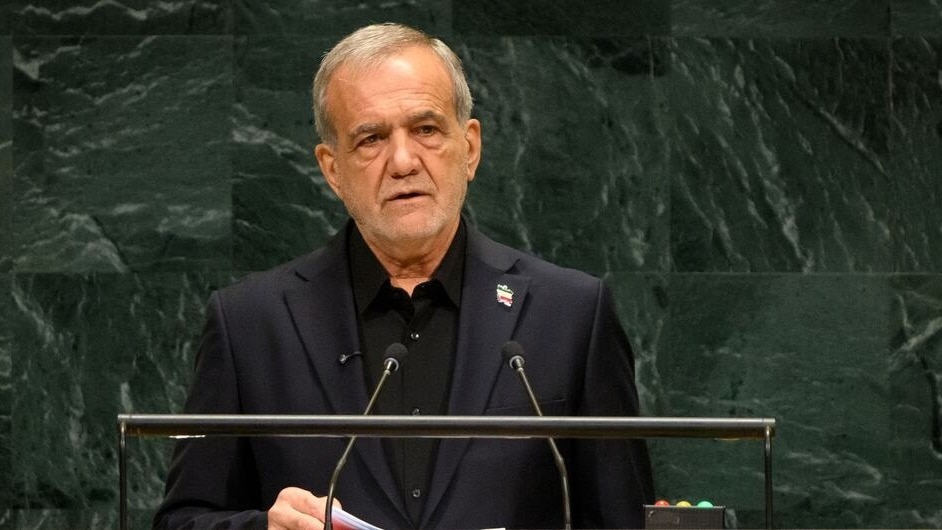
Iran’s Pezeshkian Urges US to Revive June Truce Before Midterms
Iran Proposes Seven-Day Plan to Reopen Hormuz, Resume Nuclear Talks

Iran’s Pezeshkian Offers Nuclear Inspections, Challenges Trump Over War
