1 hr ago
Why Children Need Vaccinations Beyond Their First Birthday
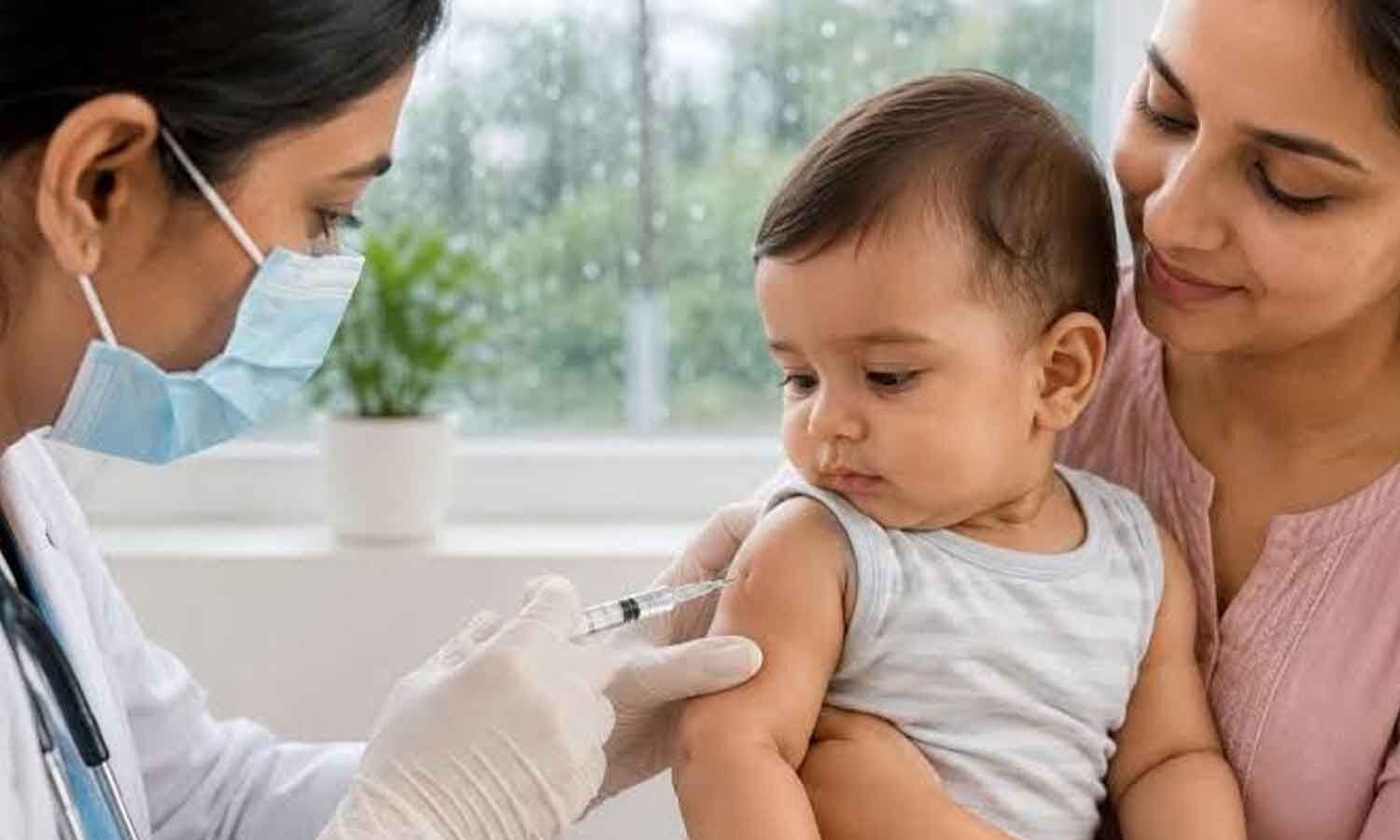
Babies receive many vaccines during their first year.
Their vaccines should not stop after their first birthday.
Some vaccines need extra doses to keep protection strong.
Children may also meet more people in their second year at playgroups, day-care centres and public places.
This can give infections more chances to spread.
Vaccines can help prevent illnesses such as measles, chickenpox, hepatitis A and flu.
Parents should check their child’s vaccination record regularly.
A paediatrician can explain which doses are due or missed.

Vaccinations should continue during a child’s second year to prevent gaps in protection.
Growing contact with playgroups, day-care centres and public spaces can increase infection exposure.
Hepatitis A vaccination generally begins at 12 months, followed by a second dose at 18 to 19 months.
MMR, chickenpox and other booster doses are recommended at different points during the second year.
Keeping vaccination records current helps parents identify upcoming, missed or catch-up doses.
- Who
- Children in their second year of life and their parents or caregivers.
- What
- The article explains why childhood vaccinations, booster doses and catch-up vaccinations should continue after 12 months.
- Where
- In settings where children interact with others, including playgroups, day-care centres, family gatherings and public spaces.
- When
- During the second year of life, with some flu vaccinations continuing annually until age five.
- Why
- To maintain protection against vaccine-preventable diseases and reduce the spread of infections in the community.
Key facts
- Hepatitis A
- Vaccination generally begins at 12 months, with a second dose at 18 to 19 months.
- MMR
- A second dose is recommended at 15 months.
- Chickenpox
- The Varicella vaccine usually follows a two-dose schedule beginning at 15 months.
- Influenza
- Annual vaccination is recommended beyond infancy up to 5 years of age.
- Hib
- A booster dose is recommended at 16 to 18 months.
- Pneumococcal disease
- A booster dose is recommended during the second year of life.
- Record keeping
- Regularly reviewing the vaccination record with a paediatrician can identify upcoming, missed or catch-up doses.
Sources
Related news
India’s Low Adult Vaccination Rates Raise Preventable Disease Concerns

Gauahar Khan Urges Parents to Consider Meningococcal Vaccination

Vaccination Helps Older Adults Reduce H1N1 Flu Risks
H1N1 Reinfection Is Possible Despite Previous Illness, Doctor Explains
H1N1 Cases Rise as Flu Vaccine Demand Surges Nationwide