1 hr ago
Bangladesh Measles Outbreak Kills Over 1,000 Amid Vaccination Gaps
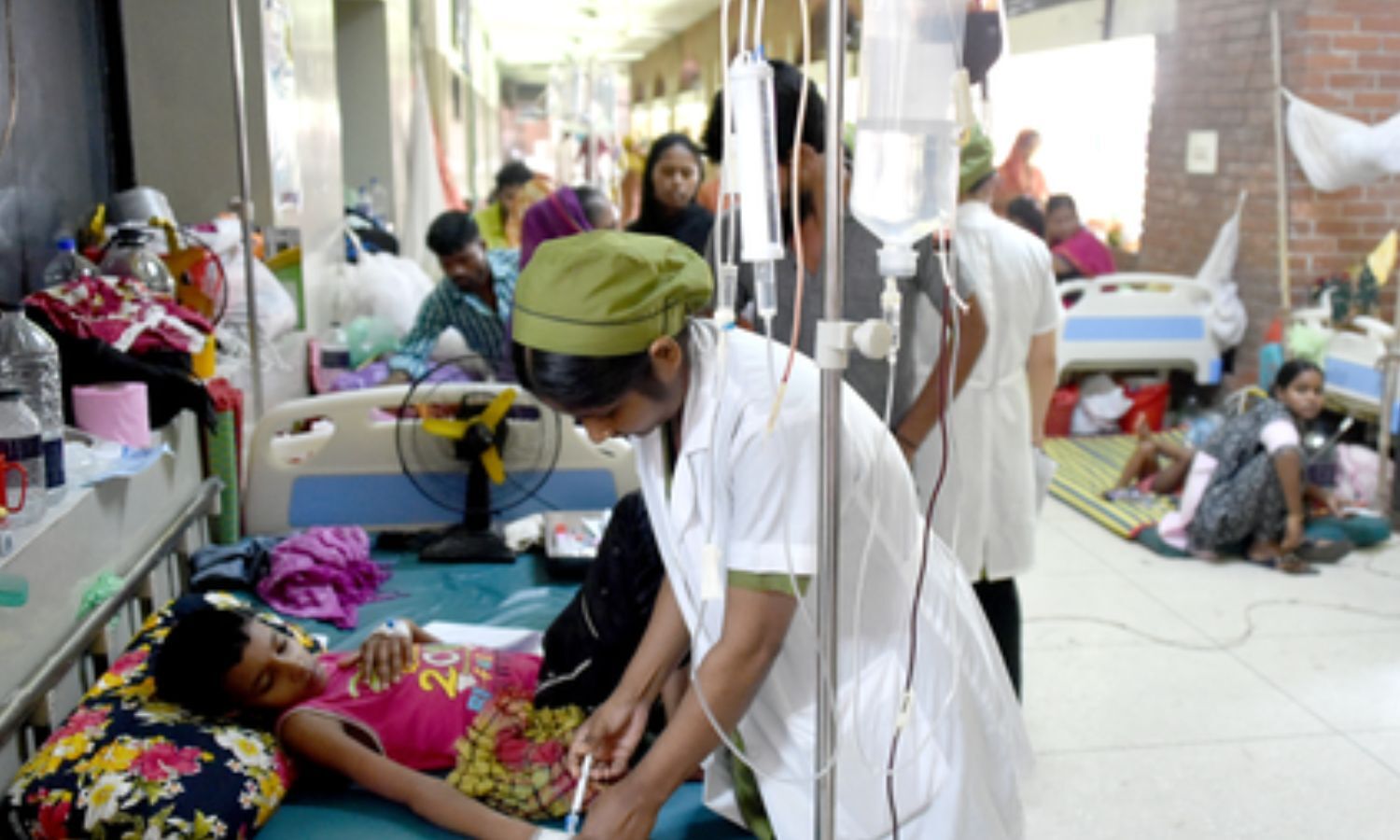
Bangladesh is experiencing a large outbreak of measles, a disease that vaccines can help prevent.
A report said more than 1,000 people died between mid-March and September 9.
Many of the deaths were suspected to be caused by measles, while 100 were confirmed in laboratories.
The country vaccinated nearly 20 million children in an emergency campaign.
Experts said even more children may have needed vaccines than officials first estimated.
Vaccination rates had fallen in recent years, especially for children needing a second dose.
COVID-19 disruptions, misinformation, vaccine hesitancy, and reported supply delays made it harder to vaccinate children.
Measles can continue spreading when vaccination coverage is below about 95 percent.

Health ministry data cited in a report recorded 1,009 deaths by September 9, including 100 laboratory-confirmed and 909 suspected measles fatalities.
Bangladesh vaccinated 19.75 million children in an emergency campaign launched in April, exceeding its initial target of about 18 million.
Experts said the original estimate of children needing vaccination was too low and that national figures may conceal vulnerable pockets.
First-dose measles-rubella coverage fell from 88.6% in 2019 to 86% in 2023, while second-dose coverage dropped from 89% to 80.7%.
Cases reportedly rose sharply from January 2026, prompting Bangladesh to notify the World Health Organization of a nationwide outbreak on April 4.
- Who
- Bangladesh’s health authorities, children, public-health experts, and the World Health Organization are involved; the report cited former Institute of Epidemiology, Disease Control and Research official Mushtuq Hussain.
- What
- A nationwide measles outbreak has reportedly killed 1,009 people and prompted an emergency vaccination campaign.
- Where
- Bangladesh; cases had been reported in 58 of the country’s 64 districts by mid-April.
- When
- Deaths were reported from mid-March through September 9; cases began rising markedly in January 2026, and the outbreak was notified to WHO on April 4.
- Why
- Declining routine vaccination coverage and disruptions linked to COVID-19, misinformation, vaccine hesitancy, reported vaccine shortages, and procurement delays left immunity gaps.
Public-health experts
Authorities’ campaign figures
Size of the vaccination gap
Public-health experts
Experts said the original estimate of children needing vaccination was too low and that national coverage figures can hide pockets of susceptible children.
Authorities’ campaign figures
Authorities reported vaccinating 19.75 million children, exceeding the initial target of about 18 million.
Reasons for the outbreak
Public-health experts
Experts and UNICEF-linked reporting pointed to declining routine coverage, COVID-19 disruptions, misinformation, vaccine hesitancy, and reported procurement delays or shortages.
Authorities’ campaign figures
Authorities responded with an emergency campaign launched in April and reported that it had vaccinated nearly 20 million children.
Key facts
- Reported deaths
- 1,009 by September 9: 100 laboratory-confirmed measles deaths and 909 suspected measles deaths.
- Emergency vaccinations
- 19.75 million children vaccinated since the campaign began in April.
- Initial campaign target
- About 18 million children aged six months to under five years.
- First-dose coverage
- 86% in 2023, down from 88.6% in 2019.
- Second-dose coverage
- 80.7% in 2023, down from 89% in 2019.
- Coverage needed
- Approximately 95% coverage is typically required to interrupt measles transmission.
- Geographic spread
- Cases were reported in 58 of Bangladesh’s 64 districts by mid-April.
Quotes
Al Jazeera report
A report cited by the article describing Bangladesh’s vaccination coverage and measles transmission risk.
“Coverage therefore remained below the approximately 95 percent level needed to interrupt measles transmission, allowing the number of susceptible children to grow over successive years.”
 thehansindia.com
“Cases began rising markedly in January 2026 and surged through March, prompting Bangladesh to notify the World Health Organization (WHO) of a nationwide outbreak on April 4”
thehansindia.com
Sources
Related news
Bangladesh Faces Measles Crisis With Over 1,000 Deaths
Bangladesh Faces Severe Measles Epidemic As Cases Top 166,000
Falling Vaccination Rates Could Drive Global Measles Surge in 2026
Bangladesh Dengue Outbreak Intensifies as Hospitals Face Record Daily Admissions

Shapiro, Kennedy Clash Over Pennsylvania’s Deadly Measles Outbreak

Balaghat Reports No New Measles Cases Amid Intensified Response

Google Faces Probe Over 500,000 Fake Gmail Accounts
Bangladesh Court Sentences Seven Hasina-Era Leaders to Death

China’s Bangladesh BRI Projects Expand Trade and Strategic Reach

Bangladesh, Pakistan Emphasize Parliamentary Diplomacy to Deepen Bilateral Relations