1 week ago
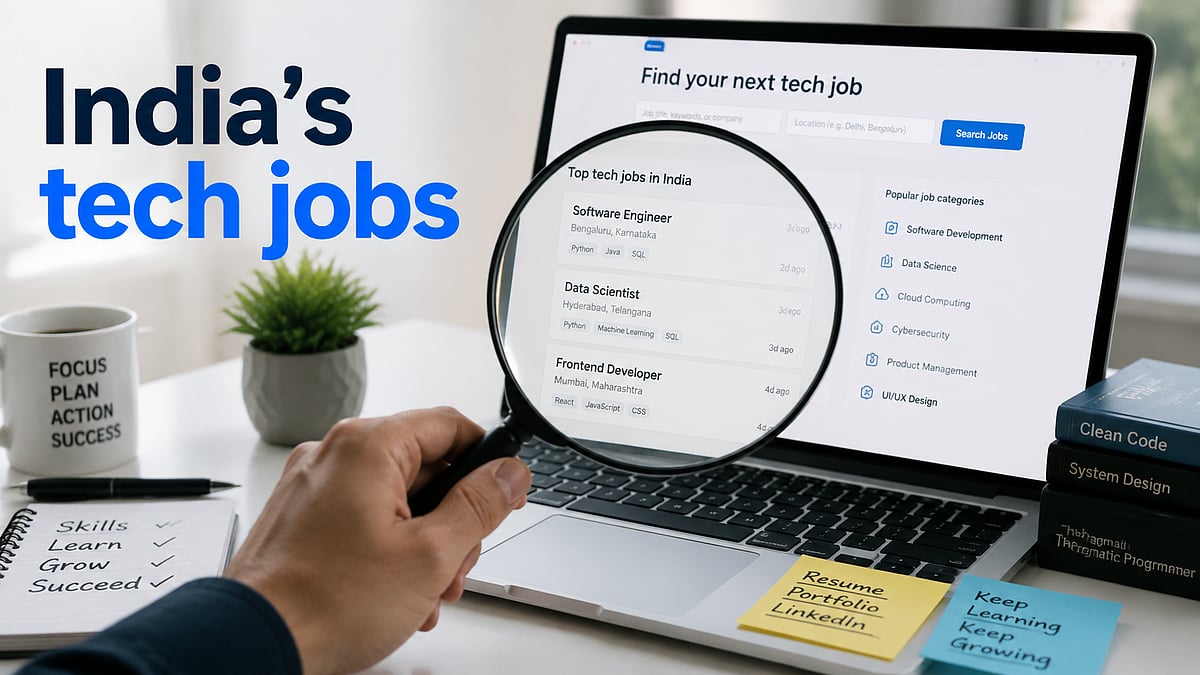
Indian IT Firms Weather Trump’s New H-1B Visa Fee

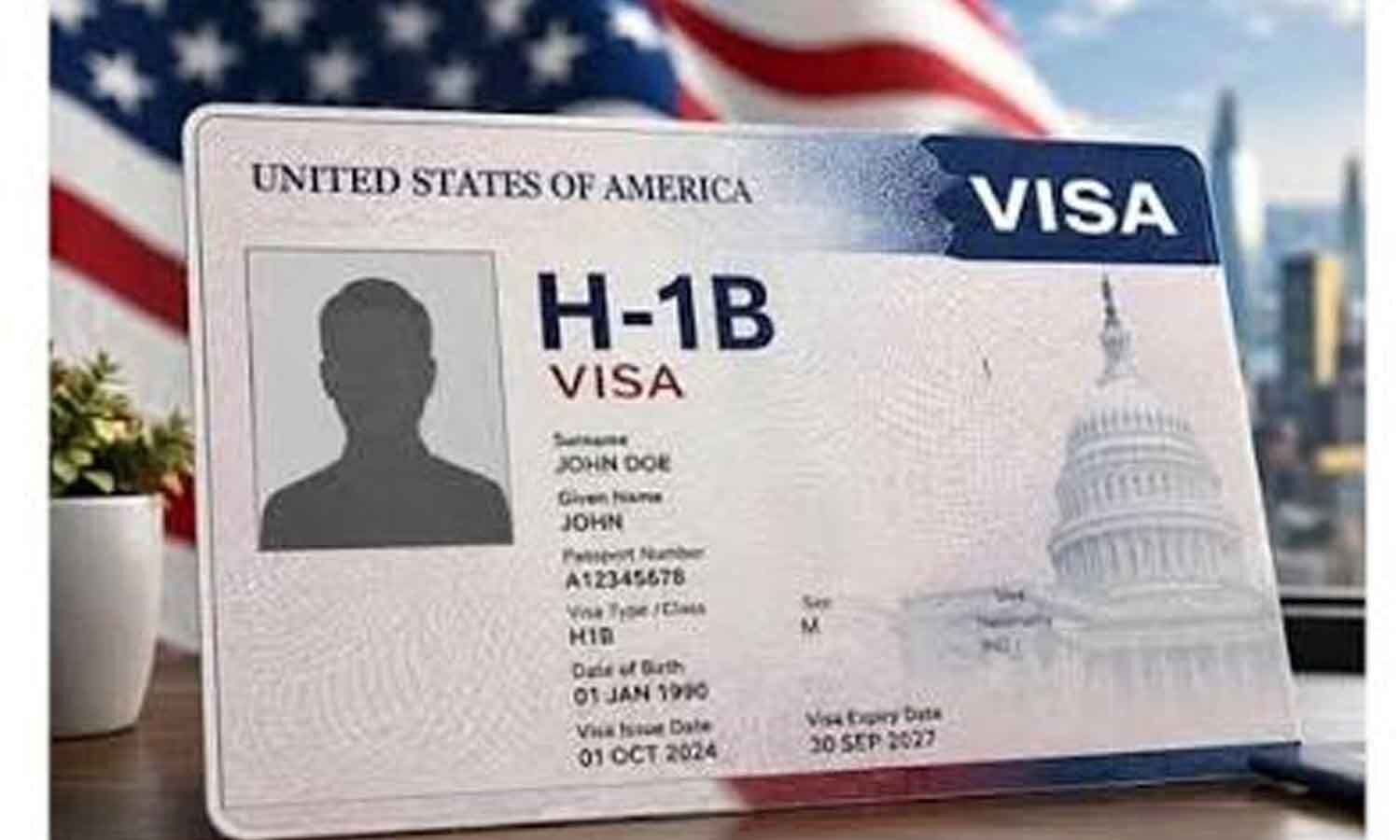
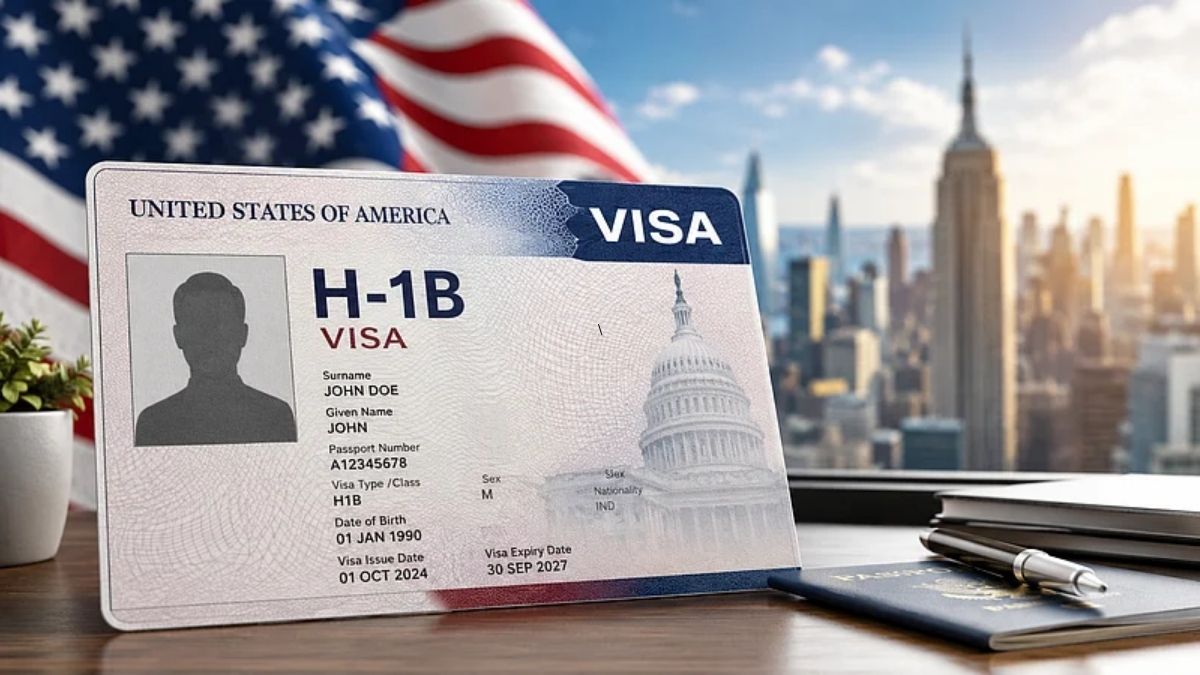
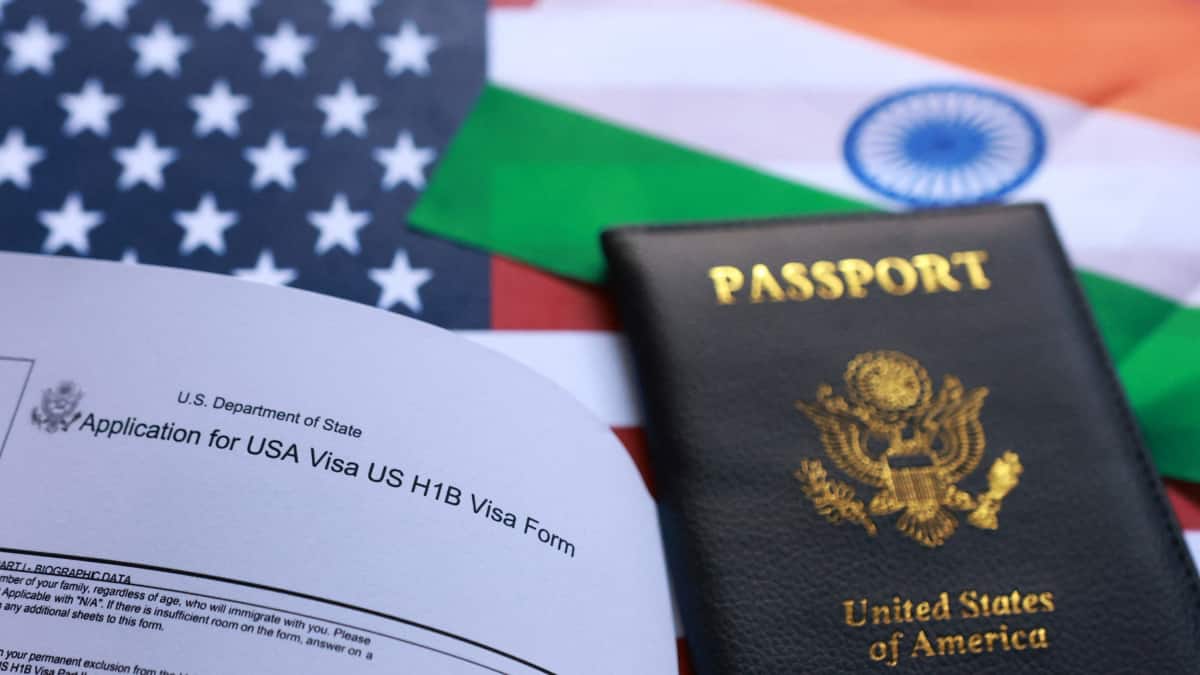
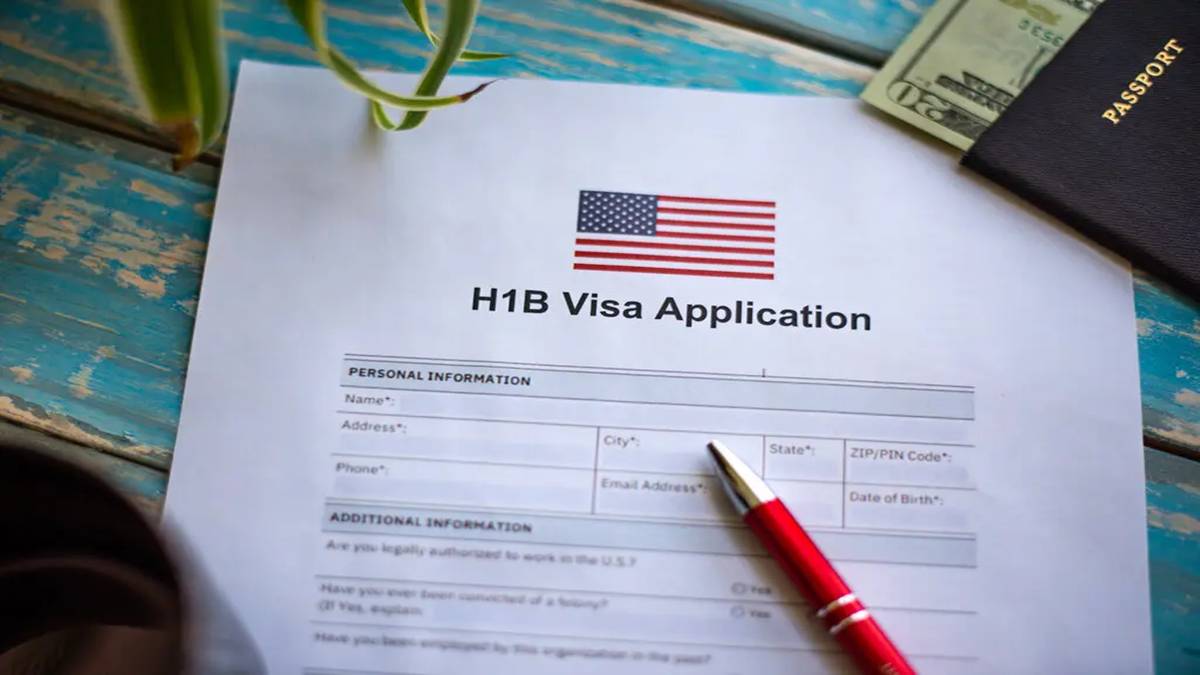
The United States has proposed a very large new fee for some H-1B work visas.
These visas help companies bring skilled workers from other countries to work in America.
Indian workers make up about 71% of recently approved petitions.
Indian technology companies say they now depend less on these visas than they did before.
They have hired more people who already live in the United States.
Some companies also use remote work and have invested more in American education.
Because of these changes, the companies did not react strongly to the announcement.
However, analysts say the fee could still make some projects more expensive and reduce profits.
The U.S. government expects the proposed fee to raise $8.8 billion.

Indian technology companies appear less exposed to the proposed $103,265 H-1B sponsorship fee.
Nasscom said firms have reduced visa dependence through increased U.S. hiring and STEM investment.
The U.S. government estimates the fee could generate $8.8 billion from 85,000 applications.
TCS, Wipro and Infosys have reported substantial localization of their American workforces.
Analysts warn that higher visa costs could still raise expenses and pressure profit margins.
- Who
- The Donald Trump administration, U.S. government agencies, Nasscom and Indian technology companies.
- What
- The United States proposed a $103,265 sponsorship fee for certain H-1B visa applications.
- Where
- The proposal concerns the United States and Indian technology companies operating there.
- When
- The fee proposal was announced on 24 August, with Nasscom commenting on 25 August.
- Why
- The Department of Homeland Security said the fee would help fund administration of the lawful immigration system and related government costs.
Limited Industry Impact
Higher Costs and Margin Pressure
Dependence on H-1B visas
Limited Industry Impact
Nasscom and major Indian IT firms say years of U.S. hiring, local staffing and remote work have reduced their reliance on H-1B visas.
Higher Costs and Margin Pressure
Analysts say companies may still need visas for some workers, meaning the higher fee could increase operating costs.
Effect on Indian technology
Limited Industry Impact
Previous restrictions reportedly encouraged skilled professionals to return to India and helped strengthen the country's domestic technology workforce.
Higher Costs and Margin Pressure
Higher visa costs could raise the share of work performed onsite in the United States and weigh on companies' profit margins.
Purpose of the fee
Limited Industry Impact
The Department of Homeland Security says the proposed charge would provide revenue to help administer the lawful immigration system and cover related government costs.
Higher Costs and Margin Pressure
Critics of the policy, reflected by the earlier court ruling, could view the charge as an excessive restriction on employers using the H-1B program.
Key facts
- Proposed sponsorship fee
- $103,265 for certain H-1B cap-subject petitions
- Estimated revenue
- $8.8 billion from 85,000 visa applications
- Indian share of approved petitions
- About 71% of recently approved H-1B petitions involve Indian-born workers
- TCS H-1B users
- About 500 employees currently travel on H-1B visas
- Wipro U.S. staffing
- More than 80% of its American workforce is locally staffed
- Nifty IT reaction
- The index rose 0.6% after the announcement
- Earlier court action
- A federal court previously struck down Trump's earlier $100,000 fee policy
Quotes

Department of Homeland Security
US federal department responsible for the H-1B draft notice
“The addition of this proposed fee to H-1B cap-subject petitions is intended to provide a dedicated source of revenue to reimburse the federal government for some of the costs of administering the lawful immigration system, including certain costs incurred by other departments and agencies.”
 livemint.com
“H-1B petitioners are willing to pay and can afford an additional $103,265 fee.”
livemint.com
Sources
Related news
Nasscom Warns Proposed H-1B Fee Could Limit Skilled Talent

Indian IT Firms Invest $1.1 Billion as H-1B Fees Rise
Trump H-1B Fee Plan Threatens Indian IT Onsite Model
Trump Administration Proposes $103,265 H-1B Fee, Indians Face Impact
US Proposes $103,265 H-1B Fee, Threatening Indian Hiring
Trump H-1B visa renewal surcharge plan hits Indian tech workers

New foreign firms expected to drive Indian GCC headcount growth
AI Data Annotation Boom Creates Low-Paying Jobs in India
India's AI Advantage May Come From Execution, Not Models