1 hr ago
Iran Says Diplomacy Is Only Path in US-Israel Conflict
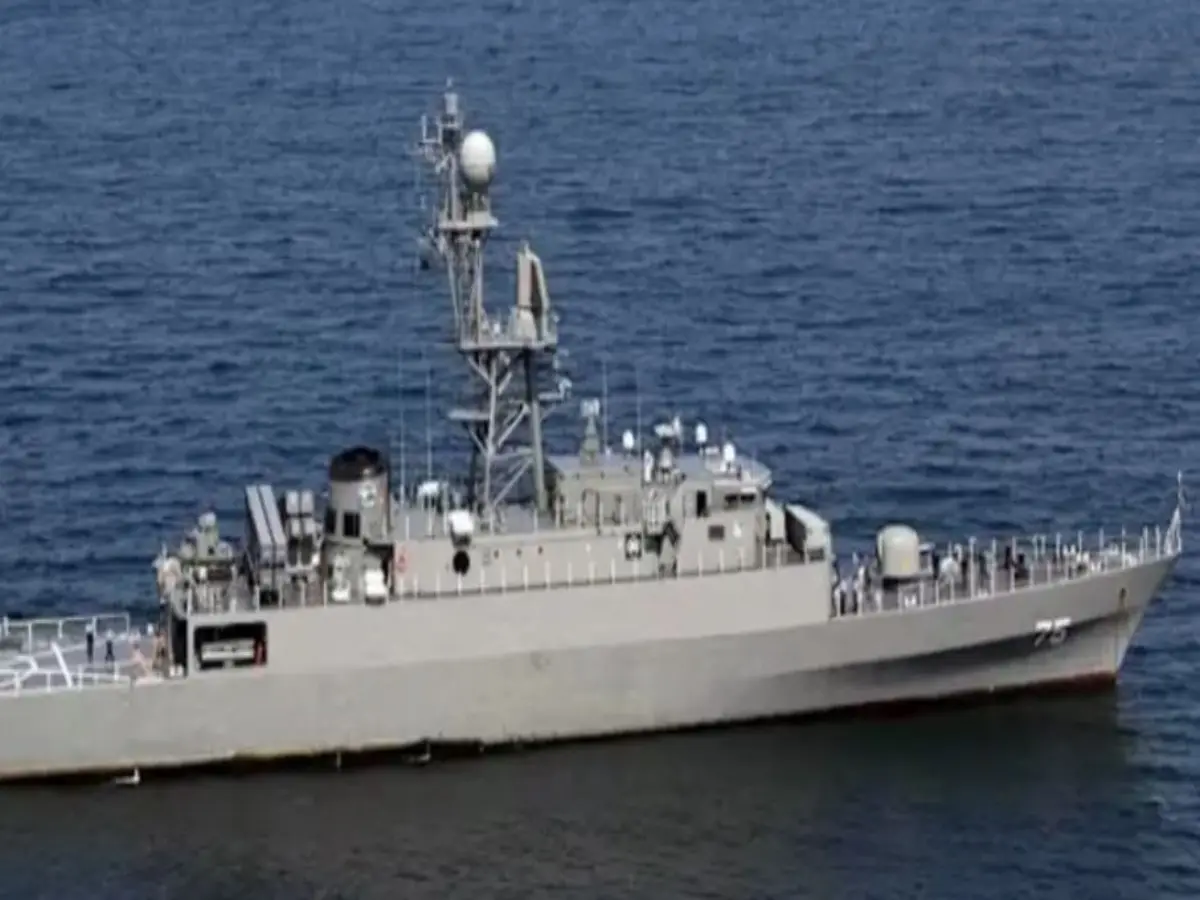
Iran and the United States are discussing a possible way to stop a wider war.
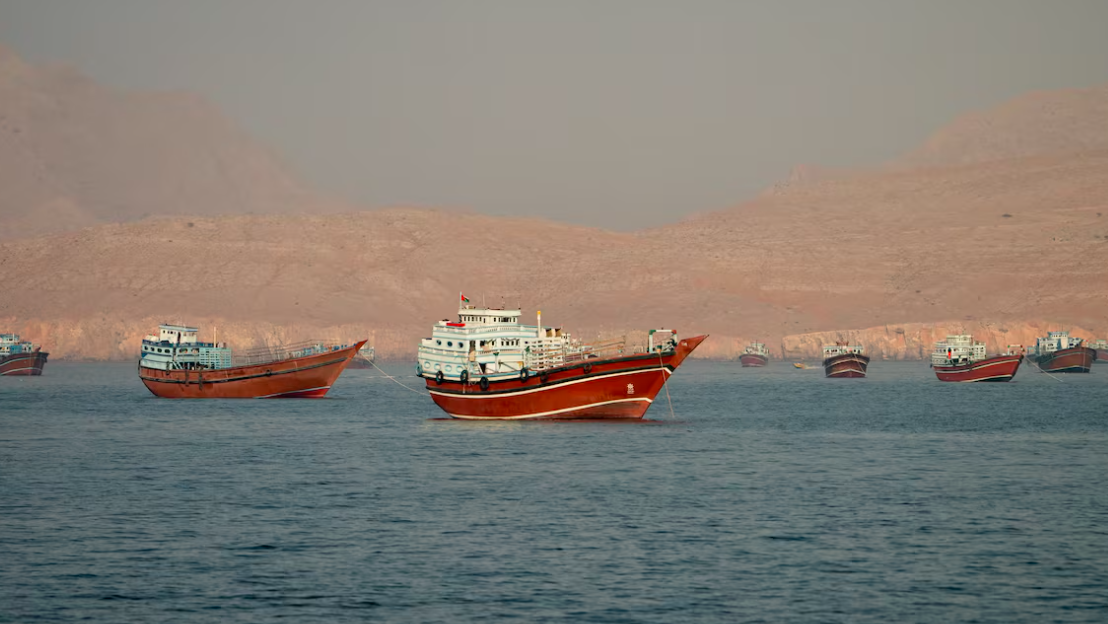
Iran says it offered a plan through Qatar to pause fighting and reopen the Strait of Hormuz.
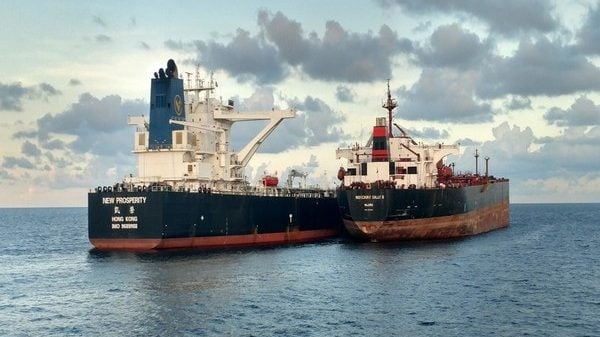
This waterway is important because many ships carrying oil use it.
President Trump says he rejected the plan because Iran wanted sanctions removed and frozen money released first.
Iran says it has not received an official rejection from the mediators.
Iran also says it is willing to discuss its nuclear program but will not accept threats or pressure.
Fighting has spread to places such as Saudi Arabia and Yemen, involving missiles and drones.
The conflict has made shipping harder and has hurt economies in the region and around the world.

Iran says it sent a peace proposal to the United States through Qatari mediators, linking a pause in fighting to reopening the Strait of Hormuz.
President Donald Trump said he rejected the proposal, while Iranian negotiator Abbas Araqchi said mediators had not officially conveyed a rejection.
The proposal reportedly sought sanctions relief and the release of frozen assets before broader negotiations, including possible nuclear talks.
The conflict has disrupted shipping and oil flows, damaged Iran’s economy, and affected the wider global economy.
Fighting has spread across the region, with attacks involving Iran, the Houthis, Saudi Arabia, and other US allies.
- Who
- Iran, the United States, Israel, Saudi Arabia, Yemen’s Houthi movement, and regional mediators including Qatar are involved in the diplomacy or conflict.
- What
- Iran proposed a diplomatic arrangement involving a pause in fighting and the reopening of the Strait of Hormuz, while the United States disputed the terms and continued negotiations through mediators.
- Where
- The diplomacy took place through discussions in New York and Qatar, while fighting has affected Iran, the Gulf region, Saudi Arabia, Yemen, and the Strait of Hormuz.
- When
- The proposal was announced last week at the United Nations General Assembly; the conflict began on February 28 and has continued for seven months, according to the article.
- Why
- Iran says diplomacy is needed to resolve the conflict and restore trade, while the United States wants Iran to end attacks, address its nuclear program, and stop threatening neighboring countries.
Iranian and diplomatic position
United States position
Status of the proposal
Iranian and diplomatic position
Iran says it transmitted a peace proposal through Qatar and that mediators had not officially delivered a US rejection.
United States position
Donald Trump says he rejected the proposal, and Mike Waltz said the terms required major concessions before Iran demonstrated its willingness to negotiate.
Conditions for negotiations
Iranian and diplomatic position
Iran says sanctions relief, restored trade, and the reopening of the Strait of Hormuz should be part of an arrangement leading to broader talks.
United States position
The United States says it is not confident Iran would negotiate in good faith and wants commitments concerning Iran’s nuclear program and regional attacks.
Use of pressure
Iranian and diplomatic position
Iran says it is not seeking war but will defend itself against pressure, threats, and attacks, and will not accept coercion.
United States position
The United States has imposed an economic blockade to pressure Iran to stop attacks on vessels in the Strait of Hormuz.
Key facts
- Proposal channel
- Iran said its proposal was transmitted to the United States through Qatari mediators.
- Iranian proposal
- The plan called for a seven-day countdown to reopening the Strait of Hormuz and a pause in regional fighting.
- United States response
- Donald Trump said he rejected the proposal; US envoy Mike Waltz said it sought sanctions relief and release of frozen assets up front.
- Iranian position
- President Masoud Pezeshkian said Iran was ready to discuss its nuclear program but would not accept bullying or coercion.
- Conflict start
- The war began on February 28 with United States and Israeli strikes on Iran.
- Regional impact
- The conflict has disrupted shipping and oil flows through the Strait of Hormuz and harmed the global economy.
- Saudi Arabia
- Saudi Arabia has been drawn deeper into the war as Houthi forces have advanced in Yemen and threatened Saudi oil exports through the Red Sea.
Quotes

Masoud Pezeshkian
President of Iran discussing Tehran’s position in the conflict
“If there is seriousness on the US side to come to a deal and reopen the Strait of Hormuz, everything is now prepared.”
 deccanchronicle.com
“They want to make a deal to open the Hormuz Strait immediately because they're losing so badly.”
deccanchronicle.com
Sources
Related news
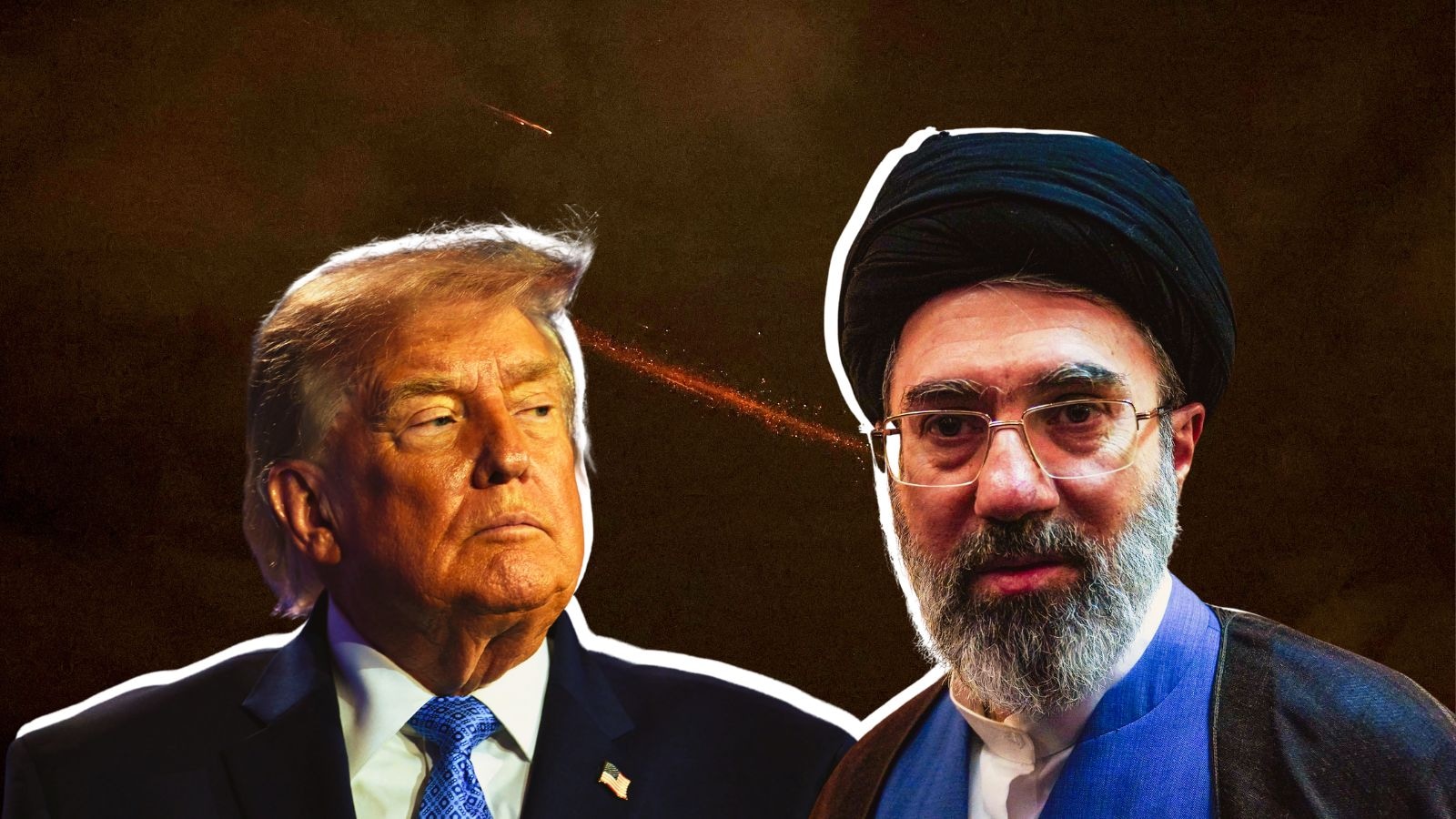
Iran Offers Seven-Day Plan for Hormuz, Nuclear Talks

Trump Calls for Iran Isolation While Gulf Seeks Diplomacy
Iran, US Remain Far Apart as Diplomacy Continues
Trump Threatens Annihilation as UN Diplomacy Seeks Iran Deal

Iran Offers Seven-Day Hormuz Reopening for U.S. Conditions
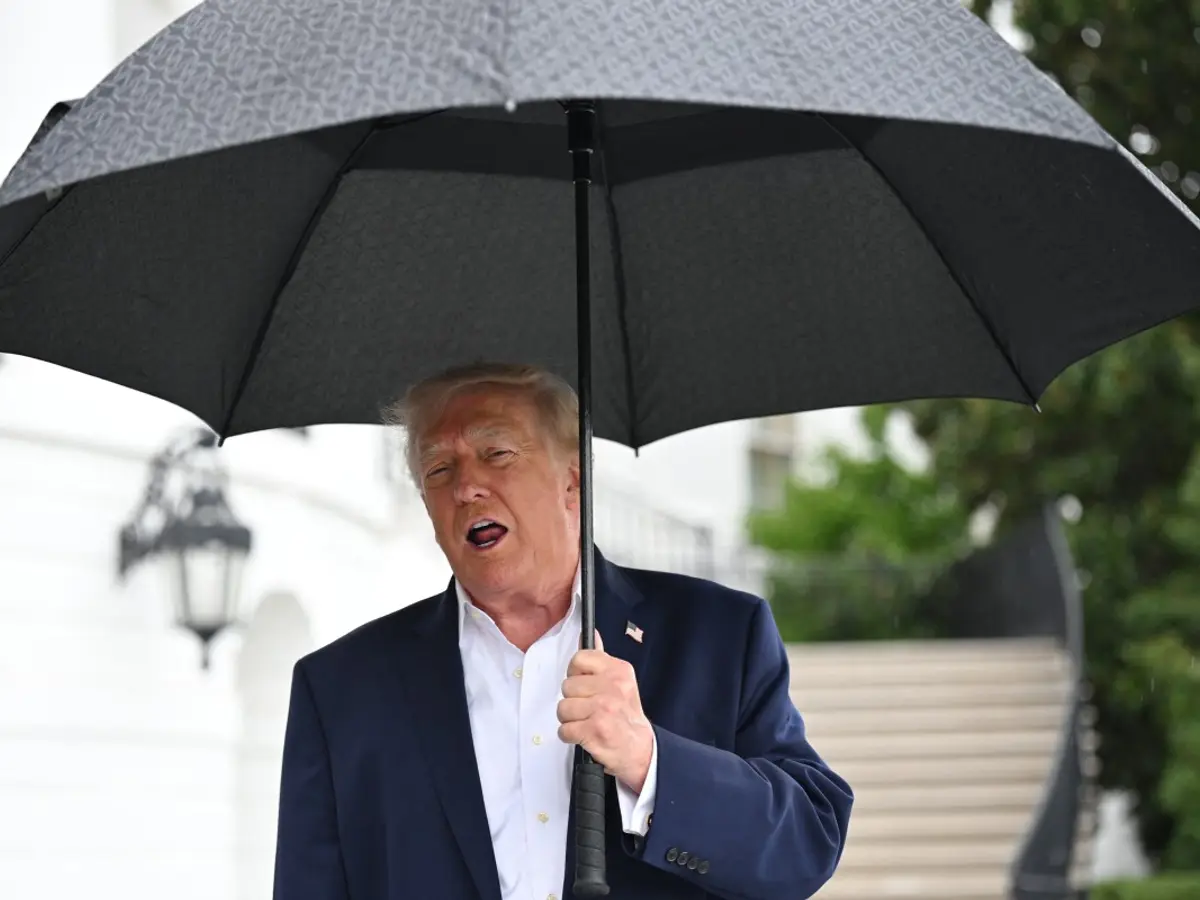
Trump Expects Iran Talks Despite Rejecting Tehran’s War Proposal

United States Military Denies Iran's Underwater Drone Capture
Japan's Oil Diversification Could Redraw Global Energy Trade

Trump Leaves Iran Strikes Possible as Tehran Warns of War

Indian Markets Slide as Oil, Yields and Selling Rise