9 hrs ago
Trump's Diplomacy Forces Nations to Decode Rhetoric and Policy
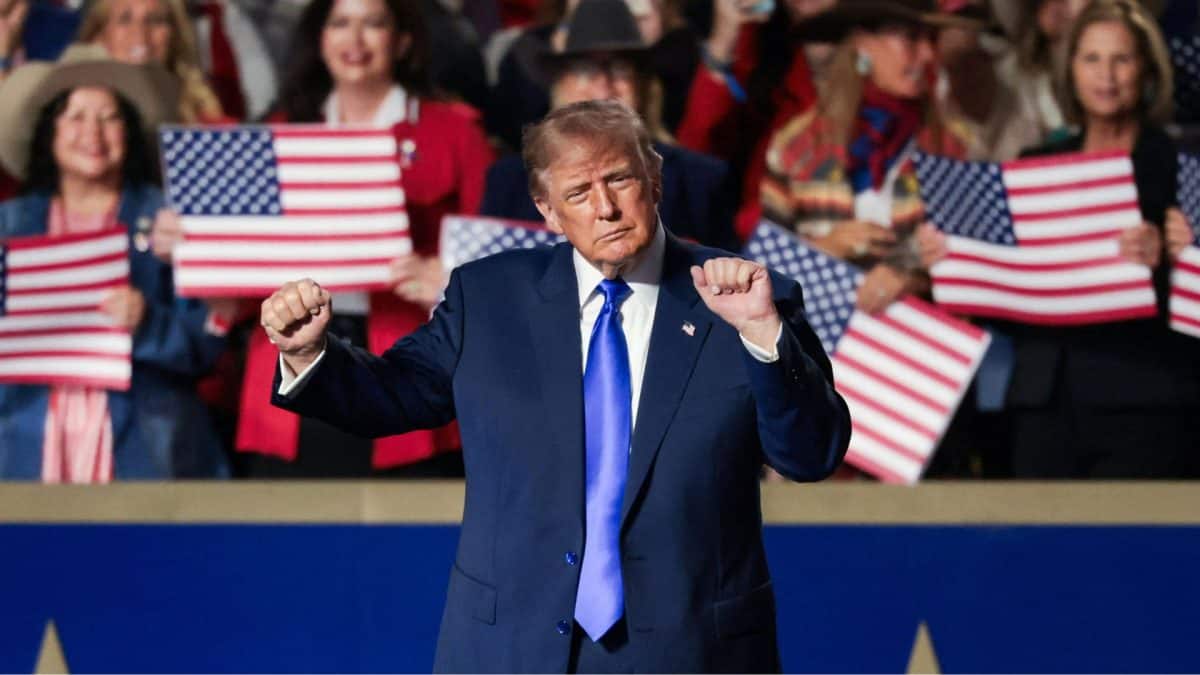
Donald Trump often makes strong statements about countries and trade.
Sometimes his later actions match those statements, but sometimes they change quickly.
This has made it difficult for other governments to know what the United States will actually do.
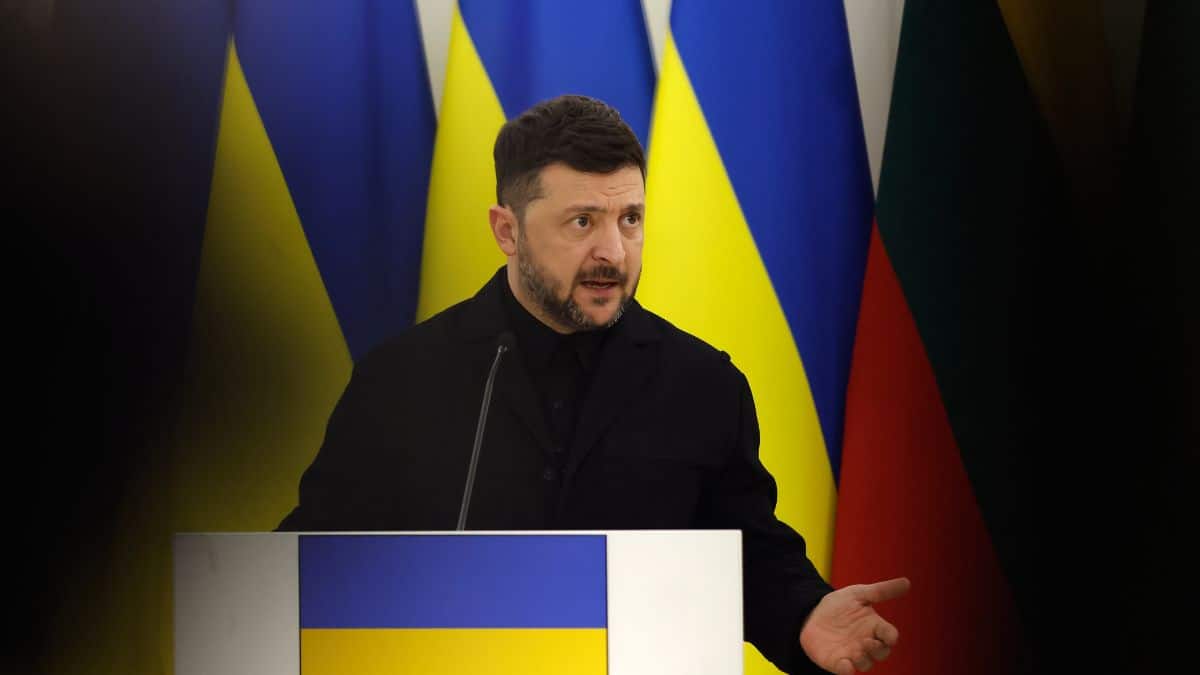
The article uses Russia, Ukraine, and India as examples.
Trump first spoke positively about talks with Russia, then threatened Russia with penalties.
India’s tariffs also went up after it bought Russian oil and later went down after India reportedly agreed to stop those purchases.
India says it needs affordable energy for its large population.
The article says diplomats must watch what happens after Trump speaks, not just listen to his words.

Donald Trump has repeatedly shifted between conciliatory statements, threats, and policy actions toward Russia and Ukraine.
United States tariffs have been imposed, suspended, reduced, increased, and renegotiated, often serving multiple stated purposes.
India’s tariff over Russian oil rose to 50 percent before falling to 18 percent after a reported pledge to stop buying Russian oil.
The United States argues that Indian purchases of Russian oil help finance the war in Ukraine, while India cites energy security and affordability.
The article says governments must distinguish Trump’s rhetoric and negotiating positions from executive action and durable policy.
- Who
- Donald Trump, the United States government, India, Russia, Ukraine, and diplomats managing their relations.
- What
- The article examines how shifting statements and policies under Donald Trump have made diplomacy more difficult to interpret.
- Where
- The issue concerns United States relations with Russia, Ukraine, India, China, and other trading partners.
- When
- The examples span Trump’s campaign and events from 2025 through September 2026, as described in the article.
- Why
- Trump’s statements, threats, negotiations, and policy actions have not always appeared consistent, complicating other governments’ decisions.
India’s Position
United States Position
Russian oil purchases
India’s Position
India says it must secure affordable energy for a population of 1.4 billion people and has found Russian oil economically attractive after the Ukraine war disrupted established energy markets.
United States Position
The United States argues that India’s purchases of Russian oil help finance Russia’s war in Ukraine.
Use of tariffs
India’s Position
India warns that tariffs connected to its energy decisions could harm bilateral relations and maintains that energy security is a national responsibility.
United States Position
The United States has used tariffs as punishment, bargaining leverage, worker protection, revenue generation, and an instrument of foreign policy, according to the article.
Interpreting Trump’s statements
India’s Position
Other governments must treat announcements as potentially provisional and assess what policy instrument is actually activated afterward.
United States Position
The Trump administration’s approach, as portrayed in the article, uses strong public pressure followed by negotiations and possible concessions.
Key facts
- Central issue
- Diplomats must distinguish rhetoric, threats, negotiating positions, executive actions, and lasting policy.
- Russia-Ukraine claim
- During his campaign, Trump said he could end the war within 24 hours.
- India tariff increase
- The United States eventually raised tariffs on India to 50 percent over its purchases of Russian oil.
- India tariff reduction
- In February 2026, Trump said India had committed to stopping Russian oil purchases, and the tariff was reduced to 18 percent.
- Proposed future tariffs
- In September 2026, legislation authorizing tariffs of up to 100 percent on countries buying Russian oil had passed the House and awaited Trump’s signature.
- India’s response
- India warned that such measures could affect bilateral relations and said energy security is a national responsibility.
- Article’s advice
- India should engage the White House while also maintaining ties with Congress, the State Department, the Pentagon, businesses, and technology companies.
Quotes

Donald Trump
President of the United States, quoted discussing India’s relationship with Russia
“I don’t care what India does with Russia,”
 firstpost.com
Sources
Related news
Prospective US Tariffs Threaten India’s Russian Oil Trade Deal
India Revives Non-Alignment Amid US Tariff Threats
India Cites Trump’s Unpredictability Amid Modi Meeting Press Dispute

US Tariffs on Indian Goods Shift Through Major Trade Developments
India Defends Russian Oil Purchases Amid Threatened US Tariffs
Trump’s Russia Sanctions Law Puts India Under Fresh Tariff Pressure

Linked Wars Strain America’s Resources and Alliances
Trump Urges Ukraine to Halt Strikes on Russian Fuel

Trump Urges Zelenskyy to Halt Strikes on Russian Diesel Facilities
Ukraine Prepares for Possible October Russia-U.S. Talks