

1 hr ago
Russia Sanctions Bill Puts Pressure on Trump and India
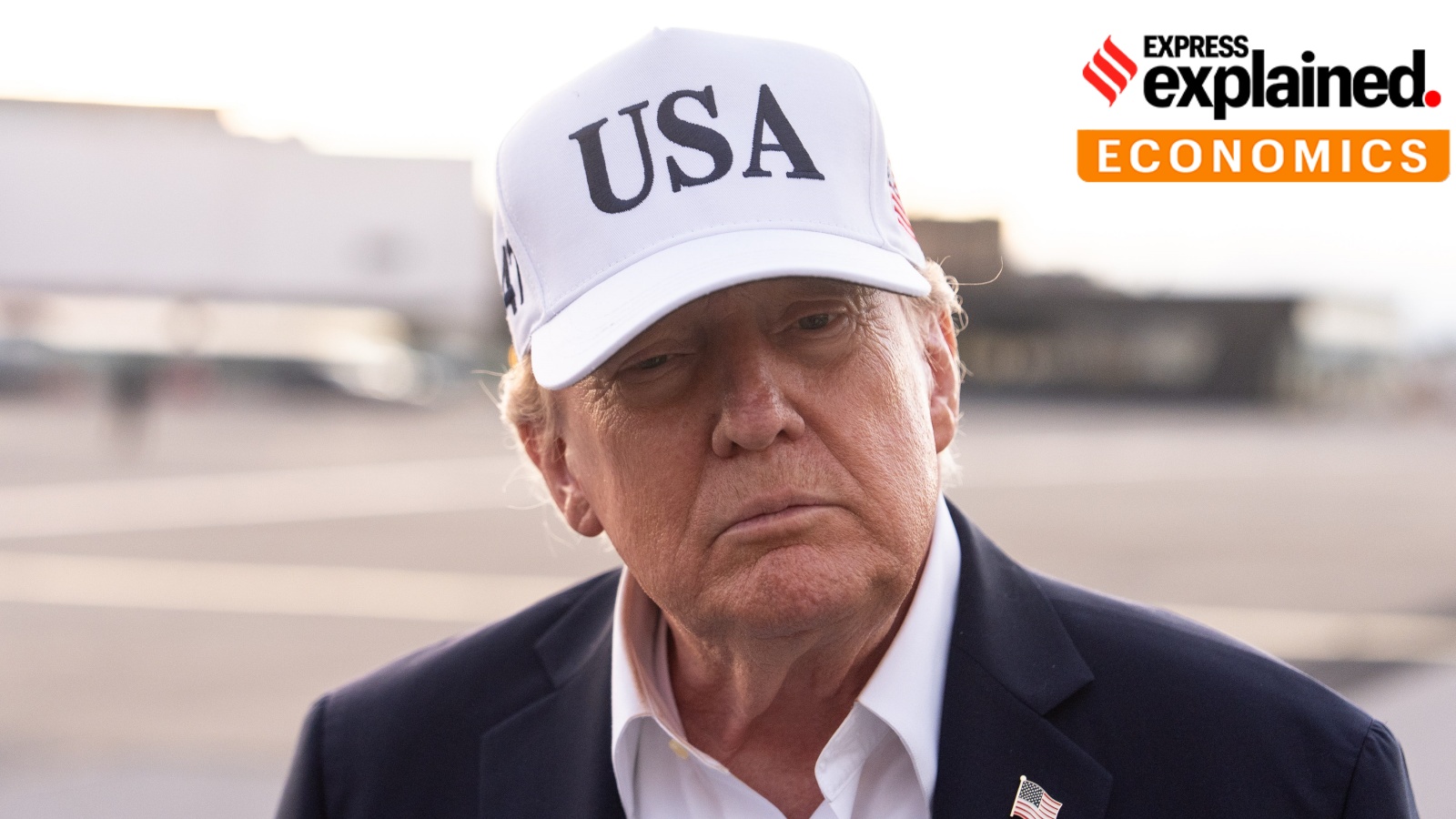
The US Congress is considering a bill to put more pressure on Russia because of the war in Ukraine.
The bill could place very high tariffs on countries that buy large amounts of Russian oil and gas.
India buys a large share of its oil from Russia, so it could be affected.
India says it needs this oil because replacing it quickly would be very difficult.
The world is already facing tight energy supplies because of the conflict in West Asia.
Removing more Russian oil from the market could make fuel more expensive.
President Donald Trump would decide how strongly to use the bill if it becomes law.
The bill could also be used to pressure India during trade negotiations with the United States.

The US House advanced a Russia sanctions bill by a 214-211 vote, with two Democrats supporting it.
The bill would allow tariffs of up to 100% on the five largest buyers of Russian oil and gas.
India, Russia’s second-largest energy export market, relies on imports for more than 88% of its crude needs.
The legislation gives Donald Trump discretion to waive or implement its provisions.
Analysts warn the bill could raise global energy prices while giving Washington leverage in India-US trade negotiations.
- Who
- The US House of Representatives, the US Senate, President Donald Trump, Russia, and India are central to the issue.
- What
- Congress is advancing legislation that could impose tariffs of up to 100% on major buyers of Russian energy.
- Where
- The legislation is being considered in the United States and could affect Russian energy purchases by countries including India.
- When
- The House advanced the bill on Tuesday and was scheduled to consider and vote on it on Wednesday; the Senate approved it the previous month.
- Why
- The bill seeks to reduce Russia’s energy revenue during the war in Ukraine, while potentially giving the Trump administration leverage over countries buying Russian crude.
Supporters and pressure advocates
Critics and caution advocates
Pressure on Russia
Supporters and pressure advocates
Supporters view tougher sanctions and tariffs as a way to reduce Russia’s energy revenue and increase pressure over the war in Ukraine.
Critics and caution advocates
Critics argue that removing Russian oil from the global market could worsen supply shortages and drive up oil and fuel prices.
Impact on India
Supporters and pressure advocates
Supporters can argue that tariffs are needed to discourage major buyers, including India, from supporting Russia’s energy revenues.
Critics and caution advocates
Indian officials and analysts are concerned that Russian crude is difficult to replace and remains a practical, competitive supply source for India.
Use of presidential discretion
Supporters and pressure advocates
Giving the president waiver authority allows Washington to respond flexibly to changing energy and geopolitical conditions.
Critics and caution advocates
Analysts warn the bill could be used mainly as a pressure tool against India, including during negotiations over a US-India trade agreement.
Key facts
- House vote
- The motion to advance the bill passed 214-211, with two Democratic lawmakers voting in favor.
- Proposed tariffs
- Up to 100% on the five largest buyers of Russian oil and natural gas.
- India’s crude dependence
- India imports more than 88% of the crude oil it consumes.
- Russian share
- Russia accounted for 45% of India’s oil imports, or 2.08 million barrels per day, in August, according to Kpler data cited in the article.
- Presidential discretion
- The bill would allow the US president to waive or choose how to apply its provisions.
- Earlier proposal
- The original version proposed a blanket tariff of up to 500% on buyers of Russian energy.
- Trade negotiations
- Analysts say the bill could provide Washington with additional leverage in India-US trade-deal talks.
Quotes
Natalia Katona
Abu Dhabi-based energy analyst
“Passing the bill under these circumstances would be economic insanity, even for the US itself. US diesel crack spreads (margins) have already reached $114 per barrel, largely because of the absence of Russian diesel from the market. Any logical economic assessment would argue against passing this bill. However, given the level of political opportunism within the current administration and its apparent economic blindness, we should be prepared for anything.”
 indianexpress.com
“How the Indian administration chooses to respond to this fear-mongering ultimately depends more on political will than on anything else. It is simply impossible to replace roughly half of the country’s crude imports overnight. So whether Indian state-owned refiners make a precautionary decision to partially step back from Russian crude, or largely disregard the pressure and continue buying, is ultimately a political decision.”
indianexpress.com
Sources
Related news
US House Advances Russia Sanctions Bill With India Tariff Risk

Russian Envoy Warns Markets Cannot Cope Without Russian Oil

House Weighs Russia Sanctions Bill Naming India for Tariffs

Russia Condemns US Pressure Over Oil Sales to India
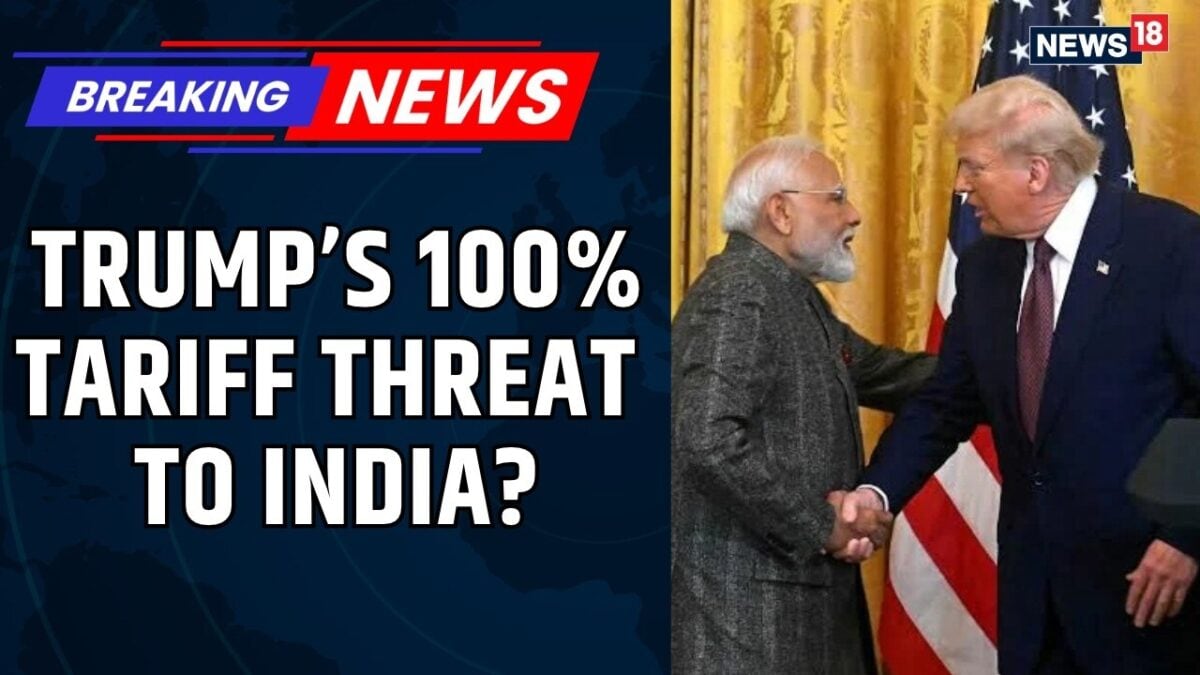
US House Advances Bill Targeting Buyers of Russian Oil
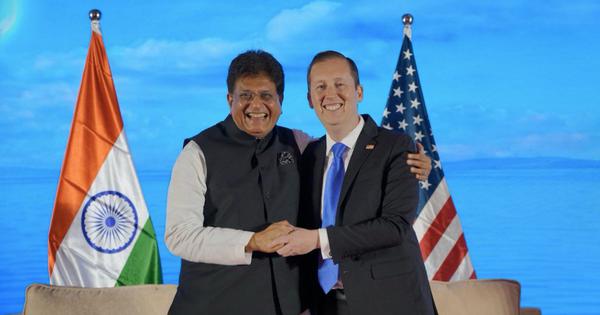
Two Washington moves could threaten the US-India trade deal

Record Shipping Costs Drive US Crude Flows Toward Asia

India’s Crude Basket Nears $130, Reviving Fiscal and Inflation Worries
India May Rely More on Russian Crude as Routes Tighten
Saudi Arabia Faces Houthi Gains, Oil Disruptions, Uncertain U.S. Support
