

2 hrs ago
Women Reformers Transform Social Activism in Colonial Andhra
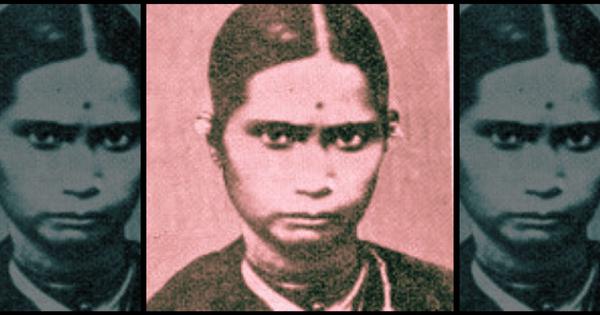
This book explains how women in colonial Andhra became social reformers.
At first, many women helped male relatives who were leading reform efforts.
Over time, women began speaking and working independently.
Rajyalakshmamma strongly supported widow remarriage and helped her husband organize reform activities.
Annapoornamma conducted marriages across castes and worked with women’s organizations.
Subhadramma, Yamini Poornatilakamma, and many others also led important campaigns.
Poornatilakamma helped kalavantulu women leave their traditional profession and find new opportunities.
Atchamamba used writing and speeches to show that women were capable and valuable.
Together, these women made social reform a movement shaped by women themselves.

Education and reform consciousness helped women in colonial Andhra move from supporting male relatives to developing independent voices.
Kandukuri Rajyalakshmamma supported widow remarriage campaigns, organized women’s activities, and donated Rs 40,000 to the Hitakarini Samajam.
Annapoornamma and other reformers conducted widow marriages, joined women’s organizations, wrote extensively, and participated in nationalist campaigns.
Yamini Poornatilakamma led reforms among kalavantulu women, helping establish rehabilitation efforts and contributing to 350 marriages within three years.
Bhandaru Atchamamba combined scholarship and activism while advocating women’s education, unity, and independent organizations.
- Who
- Women social reformers in colonial Andhra, including Kandukuri Rajyalakshmamma, Annapoornamma, Yamini Poornatilakamma, and Bhandaru Atchamamba.
- What
- A new book examines women’s growing participation and leadership in social reform and women’s movements.
- Where
- Colonial Andhra and related places including Rajahmundry, Madras, Bellary, Bombay, and Bilaspur.
- When
- From the late nineteenth century through the first half of the twentieth century, with several developments occurring in the 1920s and 1930s.
- Why
- Women sought to improve their social position, challenge discriminatory institutions, promote education, and establish independent organizations.
Male-Supported Reform
Independent Women’s Agency
Leadership in reform
Male-Supported Reform
Many women initially entered reform through the encouragement and activities of fathers, brothers, husbands, and male reformers.
Independent Women’s Agency
Women increasingly concluded that their own agency was essential and created independent organizations, campaigns, publications, and reform programs.
Social reform and nationalism
Male-Supported Reform
Some nationalist men relegated social reform to the margins during the height of the nationalist movement.
Independent Women’s Agency
Women continued prioritizing social reform and, in some cases, gave it greater importance than the national movement.
Key facts
- Featured reformer
- Kandukuri Rajyalakshmamma (1851–1910) supported widow remarriage campaigns and other reform initiatives.
- Major donation
- Rajyalakshmamma donated wealth worth Rs 40,000 to the Hitakarini Samajam.
- Widow remarriages
- Annapoornamma and Darishi Chenchaiah performed 18 marriages across different castes.
- Kalavantulu reform
- Yamini Poornatilakamma established the Kalavantula Samskarana Sangham at Adyar, Madras, in 1921.
- Reported marriages
- Within three years of the kalavantulu reform movement’s launch, 350 women were married.
- Women’s conference
- Annapoornamma represented Andhra women at the 1929 All India Women’s Conference session in Bombay.
- Atchamamba
- Bhandaru Atchamamba (1874–1905) was described as the first woman short story writer and historian in Telugu.
Quotes

Kandukuri Veeresalingam
Andhra social reformer and husband of Kandukuri Rajyalakshmamma
“she supported him in all his good deeds and stood by him… [through] thick and thin”
 scroll.in
Sources
Related news
Andhra Pradesh Women’s Cricket Calls for Greater Family Support
Marathwada Single Women Turn Raksha Bandhan Into Sisterhood
Women Force Closure of Illegal Belt Shops, Revive Village

Parul Mukherjee’s Secret Training of Bengal’s Women Revolutionaries
Chakali Ailamma Honored as Inspiration for Future Generations
How India Shaped Gloria Steinem’s Feminist Organizing Lessons
Andhra Pradesh Plans Nandi Theatre Festival, Telugu Promotion
