

5 days ago
Marathwada Single Women Turn Raksha Bandhan Into Sisterhood
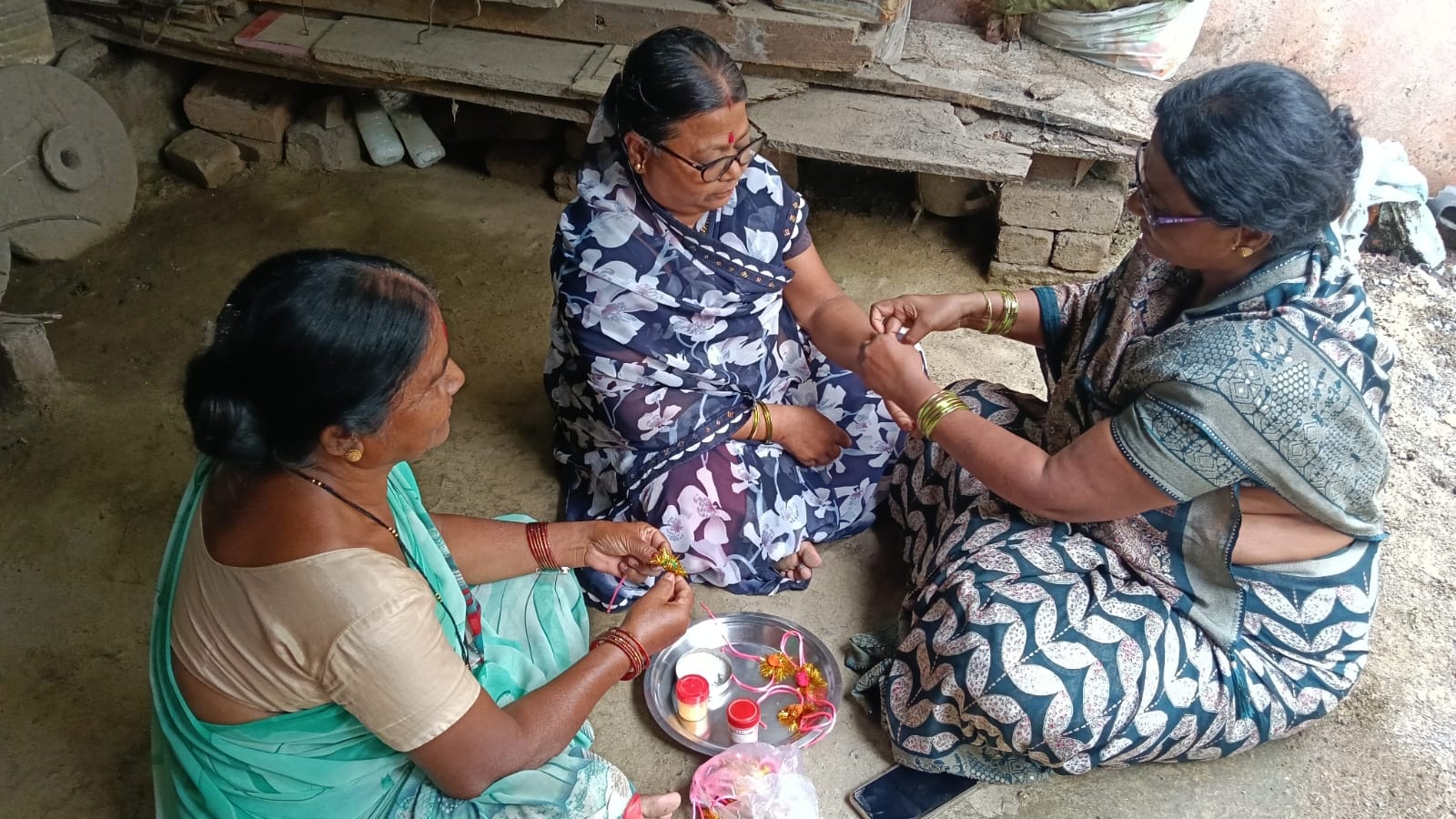
Some women in Marathwada cannot celebrate Raksha Bandhan with their brothers because their families have abandoned or rejected them.
Some people also wrongly treat widows and other single women as unlucky during festivals.
Since 2023, these women have started tying rakhis to one another instead.
They say the rakhi represents friendship, care and support.
About 300 women across 40 villages now take part.
Many participants have faced abuse, poverty or pressure to return to unhappy marriages.
The group helps members find homes, jobs and government assistance.
They also travel together and support women who are forced out of their homes.
The women say they are building relationships with people who genuinely stand by them.

Single women across 40 Maharashtra villages are celebrating Raksha Bandhan by tying rakhis to one another.
The initiative began in 2023 and has grown into a network of about 300 women.
Participants include widows, separated, divorced, abandoned and unmarried women.
Seven grassroots organisations helped launch the initiative across Beed, Dharashiv, Latur and Nanded.
The women provide emotional support and practical help with housing, work and travel.
- Who
- About 300 widowed, separated, divorced, abandoned and unmarried women, supported by seven grassroots organisations.
- What
- The women are celebrating Raksha Bandhan by tying rakhis to one another and building a support network.
- Where
- Across 40 villages in Maharashtra’s Marathwada region, including Beed, Dharashiv, Latur and Nanded.
- When
- The initiative began in 2023, with celebrations continuing this year.
- Why
- To challenge exclusion from festival celebrations and support women whose families or husbands have not stood by them.
Women’s Collective
Traditional Critics
Who should receive a rakhi
Women’s Collective
The women say a rakhi should represent genuine care and support, which can exist between women as well as between siblings.
Traditional Critics
Some villagers mocked the practice of women tying rakhis to one another, while traditional expectations focus on the brother-sister relationship.
Role of brothers and male protection
Women’s Collective
Participants question the value of tying rakhis to brothers who do not maintain contact or help them, and reject the idea that women need male protection.
Traditional Critics
Traditional expectations described in the report associate Raksha Bandhan with brothers protecting their sisters.
Status of single women
Women’s Collective
The women argue that widows and other single women should participate fully in festivals and make their own support networks.
Traditional Critics
Some social attitudes treat widowed, abandoned or separated women as inauspicious or subject them to restrictions and scrutiny.
Key facts
- Initiative started
- 2023
- Women involved
- About 300
- Villages participating
- 40
- Districts mentioned
- Beed, Dharashiv, Latur and Nanded
- Organisations involved
- Seven grassroots organisations
- Support provided
- Help with accommodation, employment, travel and access to government schemes
Quotes
Archana Sambhaji Nagargoje
A woman who supports single women seeking government schemes, housing and employment.
“We have all gone through similar pain….It is not about replacing a brother; it is about having someone who stands with you genuinely when you have no one else.”
 indianexpress.com
“If a single woman doesn’t get a room, she is not allowed to stay. She is asked to bring someone she knows.”
indianexpress.com
Sources
Related news

Over 10,000 Women Join Gogawale’s Raksha Bandhan Celebration In Mahad

'Brother Modi': Vrindavan Widows Handcraft 1,100 Rakhis for PM

Surrendered Female Maoists Celebrate Raksha Bandhan With Chhattisgarh Soldiers
Women From Diverse Sections Tie Rakhis To Gujarat CM

Tribal Women Tie Sacred Rakhis to Trees in Jamshedpur
Raksha Bandhan's History Reveals A Festival Beyond Simple Sibling Protection
Three Killed, Seven Injured in Nanded Jeep Tree Crash

Latur Leads Maharashtra’s First-Round MBBS Allotments
South Central Railway Honours 10 Staff for Preventing Mishaps
Special Amritsar–Nanded Trains Announced Amid Festival Passenger Rush
