

3 hrs ago
Bengaluru Authority Plans Seals, Utility Cuts for Illegal PGs
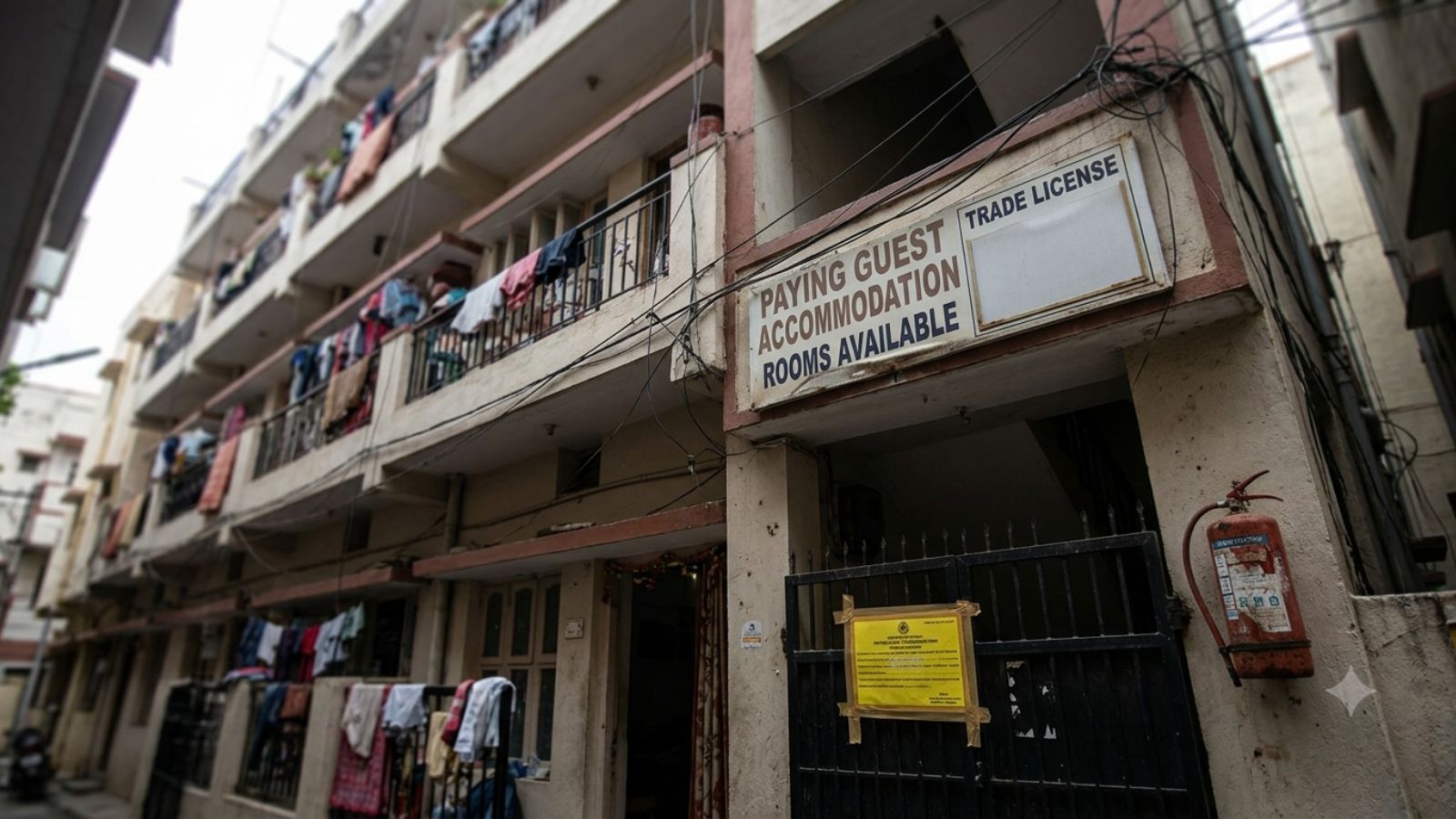
Bengaluru officials say many paying guest homes are operating without required permissions.
They found thousands of PGs without licences, approved building plans or fire-safety clearances.
The Greater Bengaluru Authority wants to seal these properties.
It also plans to ask electricity and water agencies to disconnect their services.
The authority will discuss this plan with utility and police officials.
A notice may be sent to the PGs and the people living there within 10 days.
The Karnataka High Court said residents should receive about 15 to 21 days to leave.
This gives people more time than a three-to-five-day deadline.

The Greater Bengaluru Authority plans to seal illegally operating paying guest accommodations.
Officials found thousands of PGs allegedly lack required licences and approvals.
Proposed action includes disconnecting electricity and water supplies to such premises.
The GBA chief commissioner will meet BESCOM, BWSSB and police officials this week.
A notice may be issued within 10 days, with about 15 to 21 days to vacate.
- Who
- The Greater Bengaluru Authority, with support sought from BESCOM, BWSSB and Bengaluru police.
- What
- The GBA plans to seal illegal PG accommodations and disconnect their electricity and water supplies.
- Where
- Bengaluru, Karnataka.
- When
- The proposed coordination meeting is to take place this week; notices may be issued within 10 days.
- Why
- Officials found that thousands of PGs allegedly lack required licences, building-plan approvals and fire-safety clearances.
Key facts
- Authority
- Greater Bengaluru Authority (GBA)
- Properties affected
- Illegally operating paying guest accommodations
- Reported scale
- Thousands of PGs
- Planned enforcement
- Sealing premises and disconnecting electricity and water
- Agencies involved
- Bangalore Electricity Supply Company Limited, Bengaluru Water Supply and Sewerage Board, and Bengaluru police
- Notice timing
- Likely to be issued within 10 days
- Vacate period
- Approximately 15 to 21 days, according to the court’s direction
Sources
Related news

Karnataka High Court Told 2,500 Bengaluru East PGs Illegal
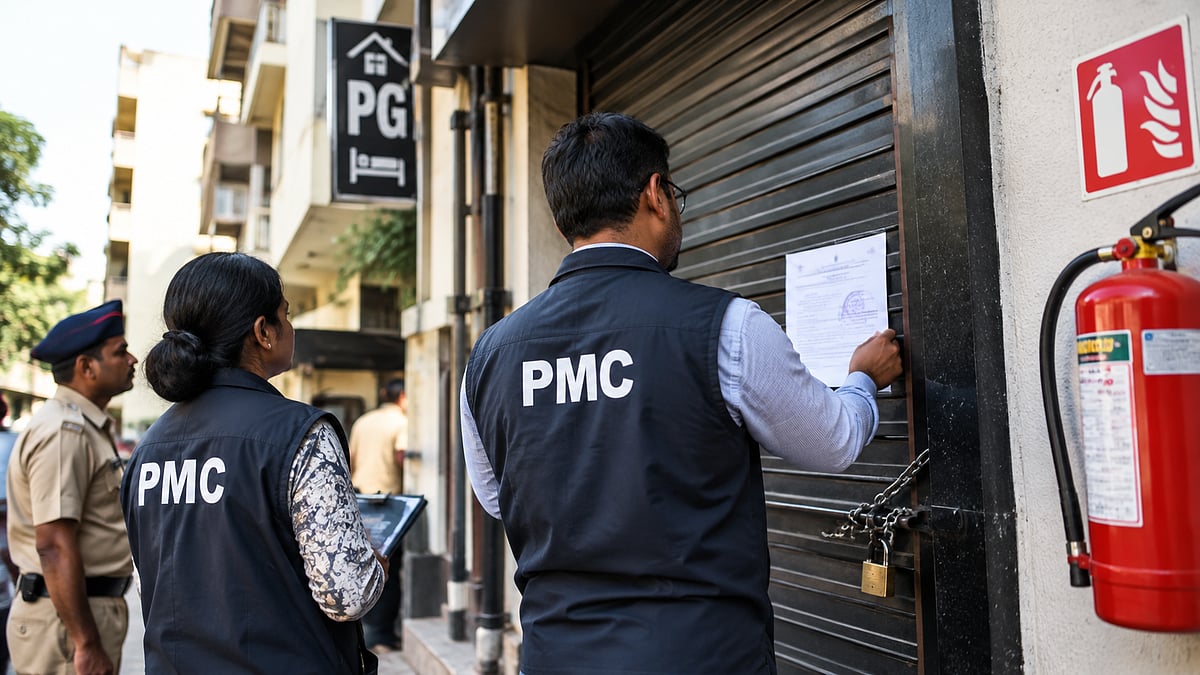
Pune PMC Shuts 10 Viman Nagar PGs in Fire-Safety Drive

Pune Seals 11 PG Hostels Over Fire-Safety Violations
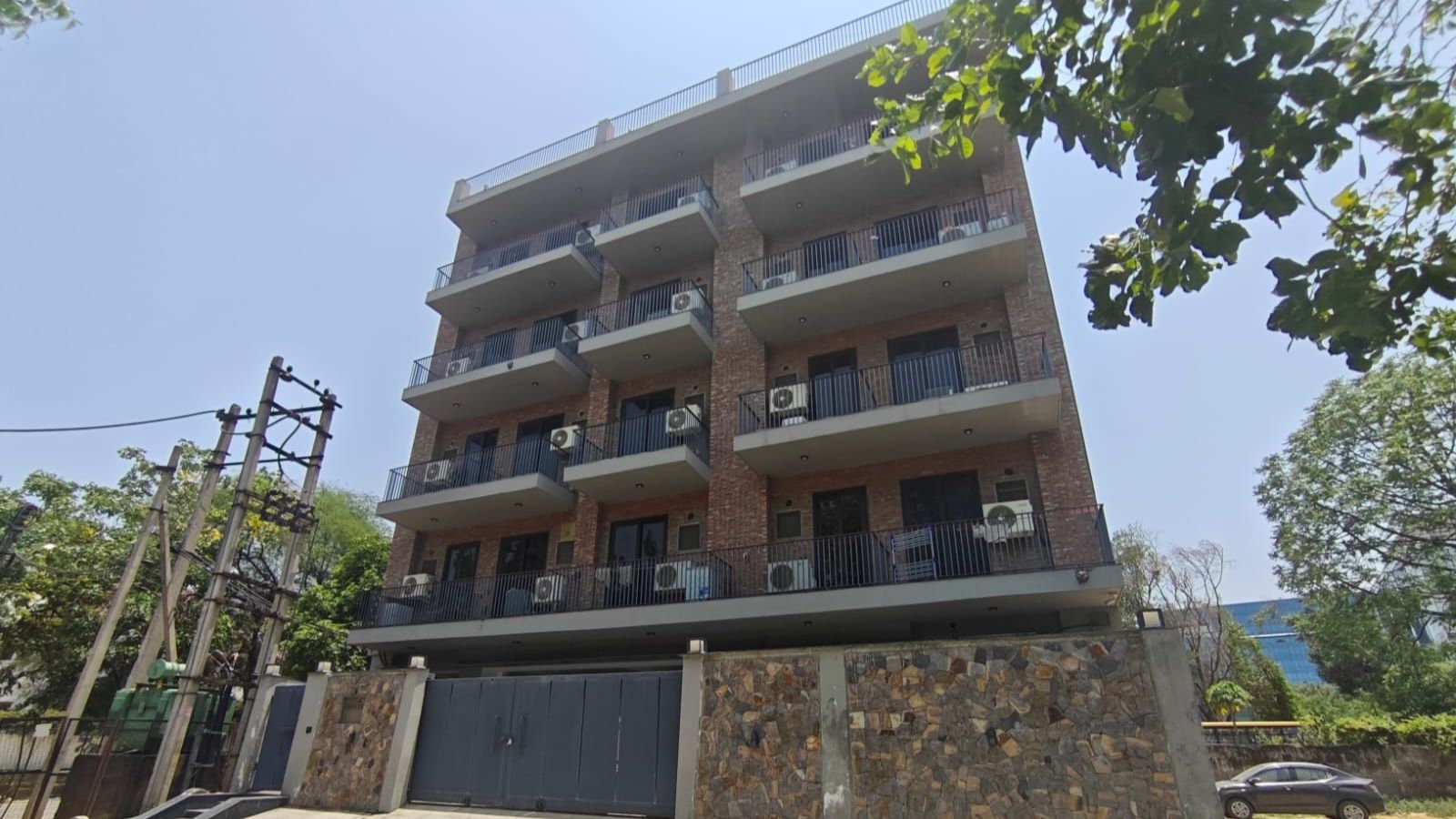
Gurgaon PGs Face Renewed Scrutiny After Satya Niketan Hostel Collapse
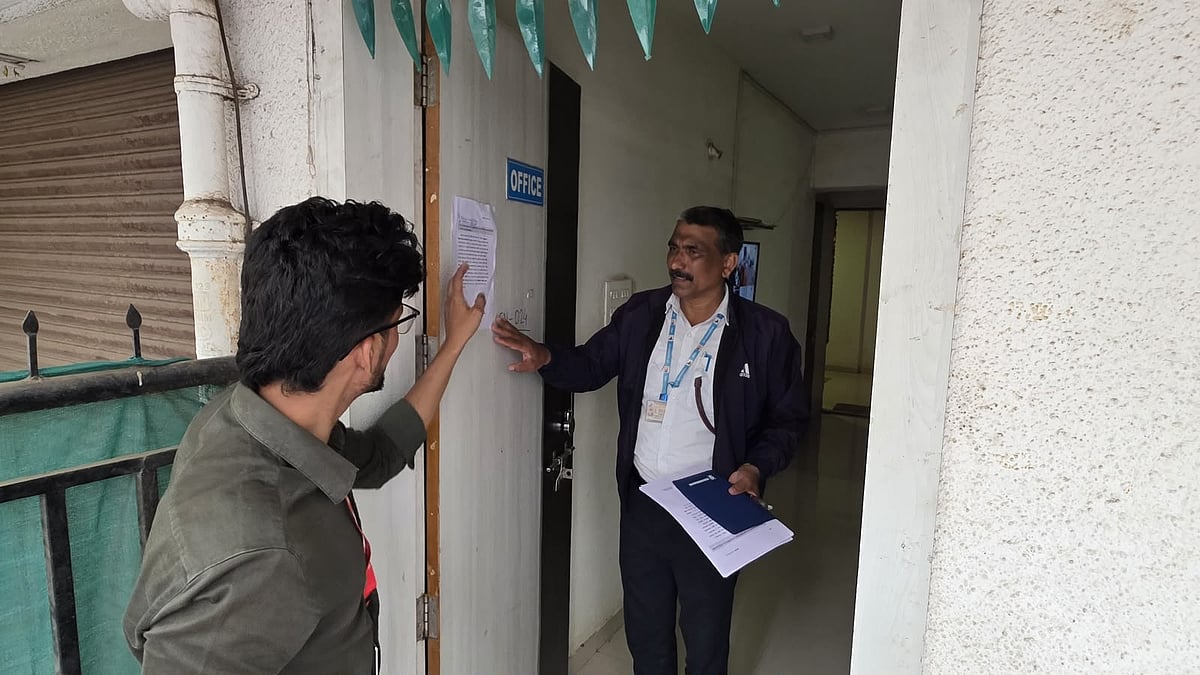
Pune Orders Closure of 13 PGs, Seven Scrap Units

Delhi Plans New PG Safety Rules and Registration Portal

How India’s Lunchbox Is Adapting To Modern Workdays

Dutch Minister Sees Win-Win Farm Ties During India Visit

Congress Protests Across Karnataka, Demands Chief Election Commissioner’s Removal

Two Held With Rs 6.33 Crore Hydroponic Ganja
Clear Supps’ Scarface Pre-Workout Sells 10,000 Units in Week
