2 weeks ago
India-US Trade Deal Likely to Retain Tariff Safeguard Amid Uncertainty
India and the United States are trying to make a deal about the fees they charge each other when they buy and sell things.
These fees are called tariffs.
The two countries agreed on a plan back in February, and now they want to make that plan final.
A special rule called a safeguard will stay in the deal.
This rule says that if one country changes the fees, the other country can change its promises too.
That way, India won't be stuck in a bad deal if America changes the rules later.
There are other worries as well, like extra taxes on some Indian products and on medicines.
Even with these worries, both countries say they still want to finish the deal.
It is like two friends promising to be fair with each other, and agreeing they can both change their minds if one of them stops playing fair.

The proposed India-US trade agreement is likely to retain a tariff safeguard from the February framework, according to a government official.
The safeguard would allow either side to revise its commitments if the other country changes previously agreed tariff terms.
Under the February 6 framework, India proposed reducing or eliminating tariffs on US industrial and agricultural products, while the US agreed to an 18% reciprocal tariff on Indian goods.
Indian exports already face a 10% additional tariff under US Section 301 action on forced-labour practices, with separate US investigations into structural excess capacity ongoing.
Commerce Secretary Rajesh Agrawal said both sides remain committed to advancing the February framework despite uncertainties over future US duties.
- Who
- Government officials from India, including Commerce Secretary Rajesh Agrawal, and the United States.
- What
- Negotiations to conclude an India-US trade agreement that retains a tariff safeguard amid uncertainty over future US duties.
- Where
- Between India and the United States.
- When
- Ongoing; the underlying framework was agreed in a February 6 joint statement.
- Why
- To ensure concessions made by either side do not remain open-ended if the other country changes previously agreed tariff terms.
Key facts
- Agreement
- Proposed India-US trade deal based on the February 6 framework
- Tariff safeguard
- Likely retained; allows either side to revise commitments if agreed duties change
- US reciprocal tariff
- 18% on originating Indian goods
- India's offer
- Reducing or eliminating tariffs on US industrial and agricultural products
- Section 301 tariff
- 10% additional duty on Indian exports related to forced-labour practices
- Generic medicines
- Exempt for two years, then potential 100% tariff for one year and 200% thereafter
- Russia sanctions proposal
- Possible US tariffs of up to 100% on countries purchasing Russian energy
- Commerce Secretary
- Rajesh Agrawal said both sides remain committed to advancing the framework
Sources
Related news
India, US Continue Trade Talks Amid Tariff Uncertainty
India-US Trade Pact Talks Intensify Amid Exporter Tariff Concerns
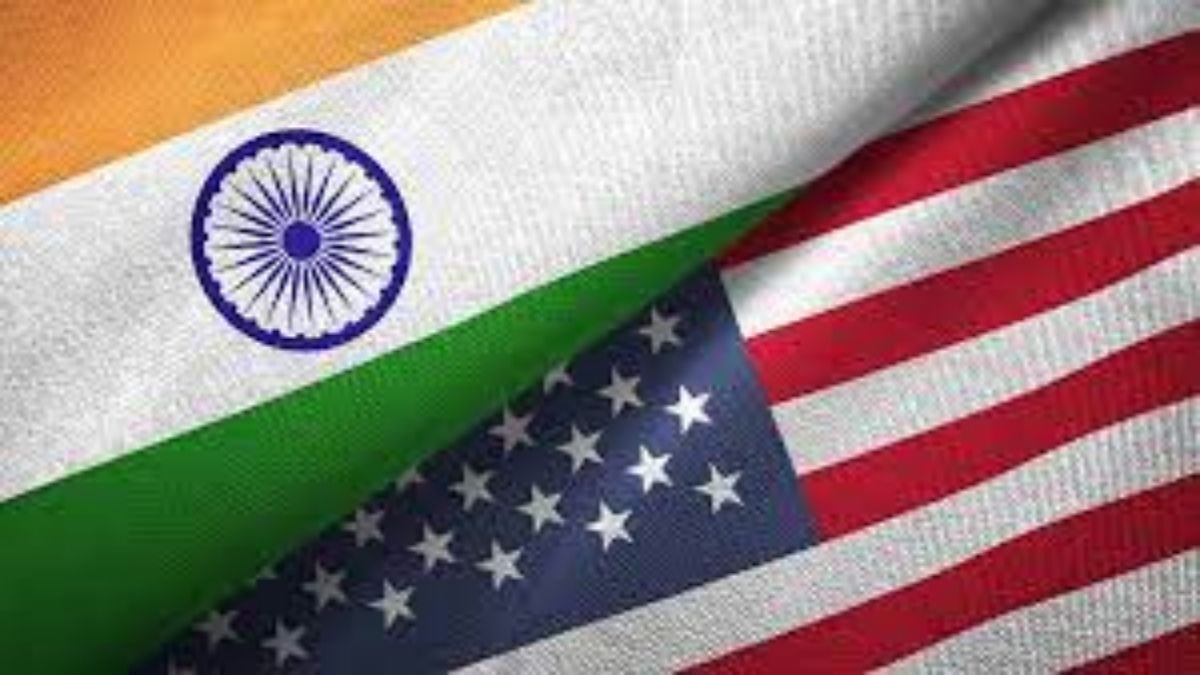
India urged to review trade strategy amid US tariff turmoil
Canada’s US Tariff Dispute Prompts India Autonomy Warning

Could Russia Sanctions Bill Derail India-US Trade Deal?
India-US Trade Talks Drive September 1 Exporter Meeting
BJP MLA Seeks Probe Into Alleged BMC Transfer Racket
India, Brazil Agree to Double Trade by 2030
India and Chile Push to Conclude CEPA Talks by 2026

India Leads Largest Business Delegation to Argentina to Expand Cooperation

Argentina Moves to Lower Barriers for Indian Pharma Trade