7 months ago
India Begins Second Dolphin Census

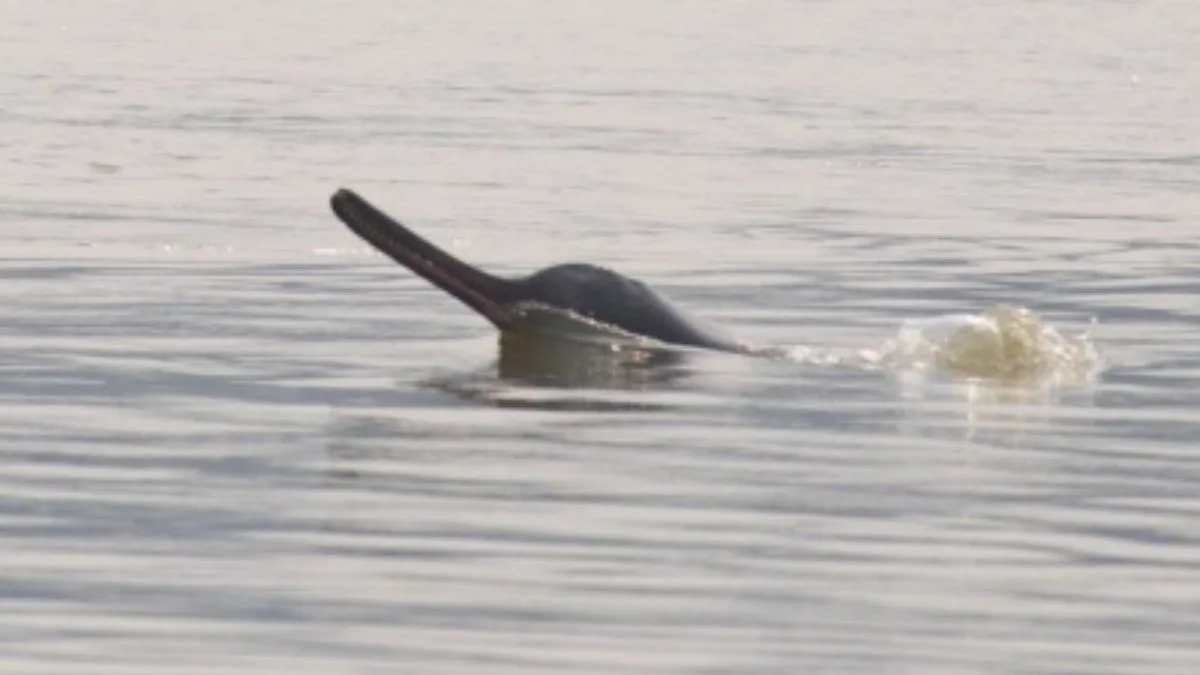
India is counting its dolphins again as part of Project Dolphin.
This is the second time they are doing this.
The first count, which happened between 2021 and 2023, found 6,327 river dolphins.
This time, they are using special tools like hydrophones to listen for dolphin sounds underwater.
They are starting in the Ganga River and will later check other places like the Brahmaputra and Sundarbans.
The goal is to protect these dolphins and their homes by understanding how many there are and what threats they face.

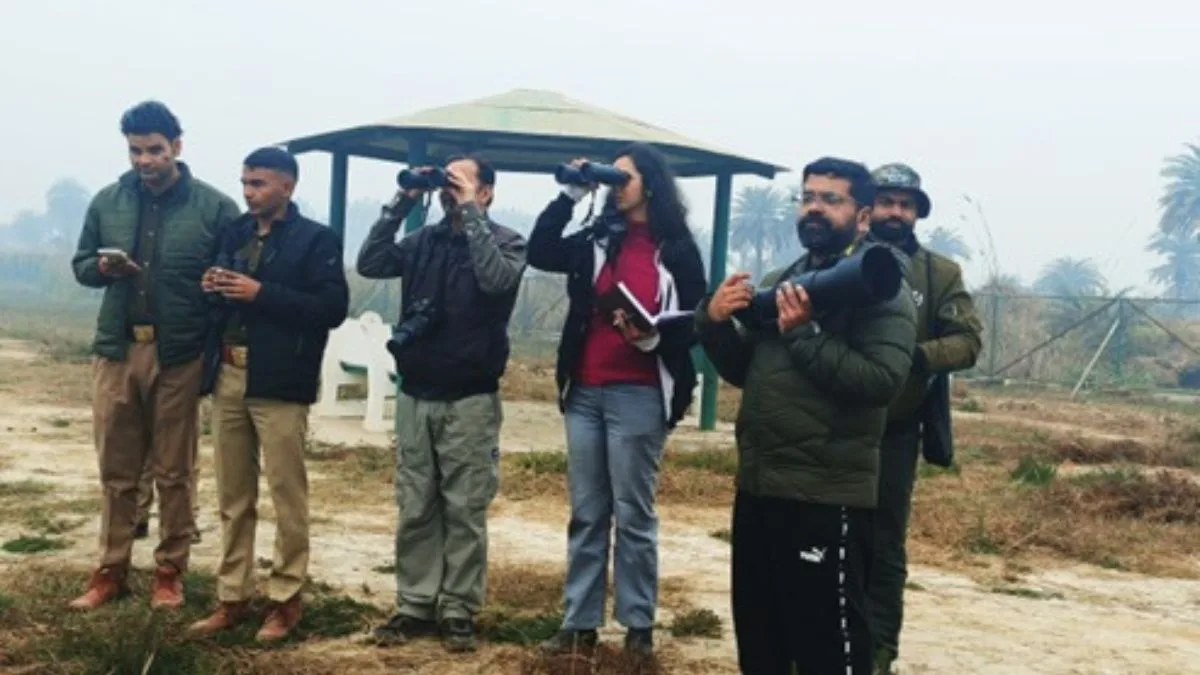
India has started the second census of riverine and estuarine dolphins under Project Dolphin.
The survey began in Bijnor, Uttar Pradesh, and will expand to cover the Ganga, Indus, Brahmaputra, and other regions.
The first census (2021-2023) recorded 6,327 riverine dolphins, with the highest numbers in Uttar Pradesh and Bihar.
The survey uses visual and acoustic methods, including hydrophones, to detect and count dolphins.
The data collected will support conservation planning and policy actions for India's river ecosystems.
- Who
- Wildlife Institute of India, State Forest Departments, WWF India, Aaranyak, Wildlife Trust of India
- What
- Second range-wide estimation of riverine and estuarine dolphins
- Where
- Bijnor, Uttar Pradesh, with plans to expand to other regions
- When
- Commenced on January 17, 2024
- Why
- To strengthen conservation of river ecosystems and update population estimates
Key facts
- Project
- Project Dolphin
- First Census Population
- 6,327 riverine dolphins
- First Phase Coverage
- Ganga (Bijnor to Ganga Sagar) and Indus River
- Second Phase Coverage
- Brahmaputra, Ganga tributaries, Sundarbans, and Odisha
- Dolphin Species
- Ganges, Indus, and Irrawaddy dolphins
- Organizations Involved
- Wildlife Institute of India, WWF India, Aaranyak, Wildlife Trust of India
- Methodology
- Visual and acoustic surveys using hydrophones
- Launch Date
- January 17, 2024
Quotes
Dr K P Singh
Wildlife ecologist with the Biodiversity Research and Development Society (BRDS)
“The wetland area at Jodhpur Jhal has been expanded by creating new aquatic habitats. As a result, the number of wetland-dependent species has increased.”
 thestatesman.com
Sources
Related news
WII Begins Three-Year Study as MP Elephant Population Nears 100

India Builds Vulture Restaurants to Aid Vanishing Scavengers
Great Nicobar Lighthouse Study Accused Of Listing Fake Species
Barrukhar Village Challenges India’s Protected Vulture Conservation Model

Environmentalists Seek Fast Conservation Status for Navi Mumbai’s DPS Lake