2 weeks ago
Bangabandhu Means Bangladesh: Why August 15 Cannot Be Erased
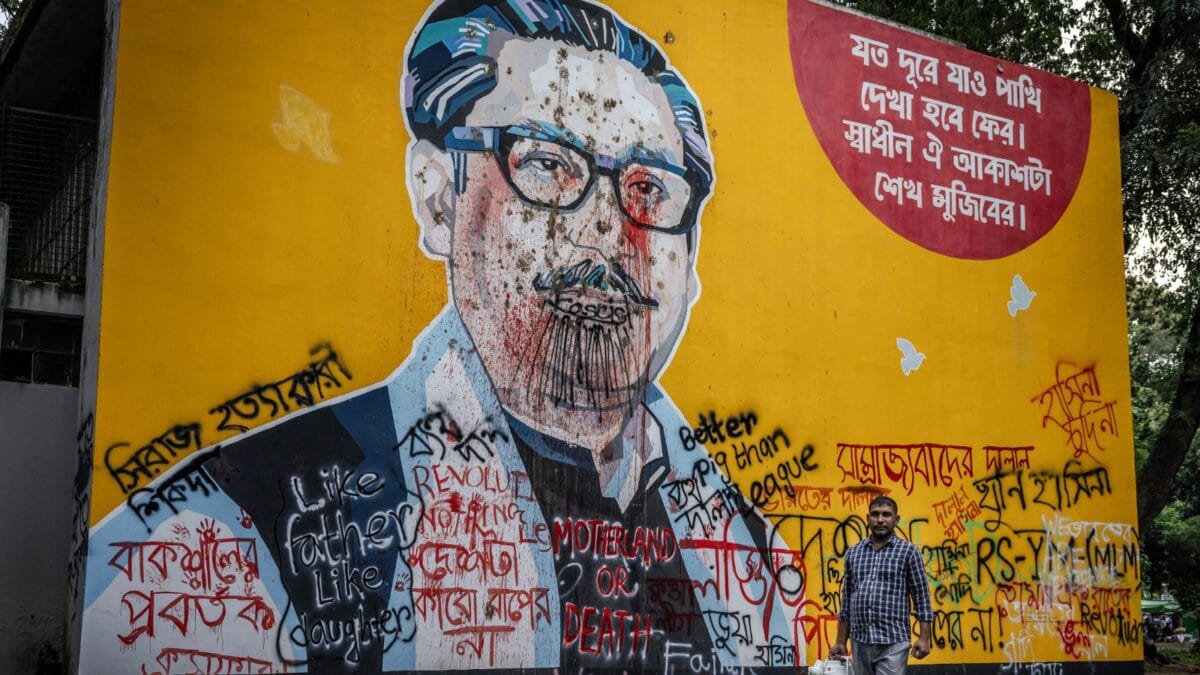
Many years ago, in 1975, the leader who helped Bangladesh become its own country was killed together with his wife, children, and other family members.
Even the smallest child in the family died, even though he had nothing to do with politics.
For a very long time, the country remembered that sad day with a special holiday.
Then, in 2024, big protests and changes in the government led new leaders to cancel that holiday.
Some people were sad about this change, and some people had different opinions about the old leader.
The writer of this article says that everyone should still remember what happened.
He believes you can disagree with a leader's choices, but killing people because of politics is never okay.
He also thinks people should be free to study and talk about the past.
Remembering history, he says, belongs to everyone, not just one political group.

Bangabandhu Sheikh Mujibur Rahman, the architect of independent Bangladesh and Father of the Nation, was assassinated along with his family on August 15, 1975.
Those killed included Bangamata Begum Fazilatun Nessa Mujib, Sheikh Kamal, Sheikh Jamal, child Sheikh Russell, and other family members.
August 15 was observed for years as National Mourning Day with state patronage and is officially cited as one of the most tragic chapters in Bangladesh's history.
After the political change linked to the July 2024 'student-people's movement', the new government cancelled the August 15 public holiday, announced August 13 and published in the official gazette August 14, 2024.
The author argues that no political ideology can legitimise murder, that history cannot be erased by changing state observances, and that open research and discussion of Bangabandhu's legacy should continue.
The article cites Bangabandhu's role in the Six Points, the 1969 mass uprising, the 1970 elections, and the political leadership of the Liberation War as central to Bangladesh's independence.
The piece is an opinion column by a former Chhatra League leader based in Dhaka, not a neutral news report.
The essay concludes that August 15 is both a mourning of the past and a warning for the future, and that human life and dignity must come before power.
The author states that denying Bangabandhu means denying a crucial chapter of the nation's birth, but also acknowledges the need to objectively assess his achievements and limitations.
- Who
- Bangabandhu Sheikh Mujibur Rahman, Father of the Nation and architect of independent Bangladesh, who was killed on August 15, 1975 along with family members including Bangamata Begum Fazilatun Nessa Mujib, Sheikh Kamal, Sheikh Jamal, and child Sheikh Russell.
- What
- The anniversary of the 1975 assassination and the debate over its observance after the post-2024 government cancelled the National Mourning Day public holiday; the opinion article argues August 15 cannot be erased from Bangladesh's history.
- Where
- Bangladesh, with the author based in Dhaka.
- When
- Assassination on August 15, 1975; holiday cancellation announced August 13, 2024 and published in the official gazette August 14, 2024; the opinion piece was published on August 13, 2026.
- Why
- The July 2024 'student-people's movement' led to political change that ended state-sponsored observance of the day; the author contends political differences can never legitimise murder or erase historical truth.
Defenders of traditional state observance of August 15
Post-2024 government and critics of state commemoration
August 15 official observance
Defenders of traditional state observance of August 15
August 15 should remain a state-recognised National Mourning Day; history belongs to the people, not to any political party, and cancelling state observance cannot erase history.
Post-2024 government and critics of state commemoration
After the July 2024 'student-people's movement' and the change of government, the state cancelled the public holiday and ended years of state-sponsored observance, altering official commemoration.
Bangabandhu's historical legacy
Defenders of traditional state observance of August 15
Bangabandhu is an inseparable symbol of Bangladesh's independence, and denying him means denying a crucial chapter of the nation's birth.
Post-2024 government and critics of state commemoration
There are ideological differences over Bangabandhu within Bangladesh's political society; the author himself acknowledges the need to objectively analyse his glories as well as his mistakes and failures.
Key facts
- Assassination date
- August 15, 1975
- Victims
- Bangabandhu Sheikh Mujibur Rahman, Bangamata Begum Fazilatun Nessa Mujib, Sheikh Kamal, Sheikh Jamal, Sheikh Russell, and other family members
- Prior observance
- National Mourning Day observed with state patronage for years
- Holiday cancellation
- Announced August 13, 2024; published in official gazette August 14, 2024
- 2024 context
- 'July student-people's movement' followed by political change toppling the government
- Key historical roles
- Six Points, 1969 mass uprising, 1970 elections, political leadership of the Liberation War
- Source
- Opinion column by a former Chhatra League leader, published by News18 on August 13, 2026
Sources
Related news

Hasina accuses conspirators of turning Bangladesh into Pakistan again
Bangladesh Revives 1947 History While Ignoring Partition's Human Cost
Sheikh Hasina Vows Return to Bangladesh Amid Democracy Struggle

Hasina Condemns 2004 Dhaka Grenade Attack as Shameful Chapter
Ousted Hasina's Defiant Address Sparks Fury in Bangladesh

Sheikh Hasina's Son Warns Bangladesh Is Now India's 'Eastern Pakistan'

Bangladesh Recall Shanto, Mahmud for Asian Games T20 Squad

Sharma and Malik Share Halfway Lead at Golconda Masters

India Replaces Sri Lanka as 2027 Women’s Champions Trophy Host
Centre Assures JDU Bihar’s Interests In Farakka Treaty Decision

India’s Record Wheat Harvest Opens $1.5 Billion Export Window