1 hr ago
CAG Finds Maharashtra’s Green India Mission Failed Across Key Measures
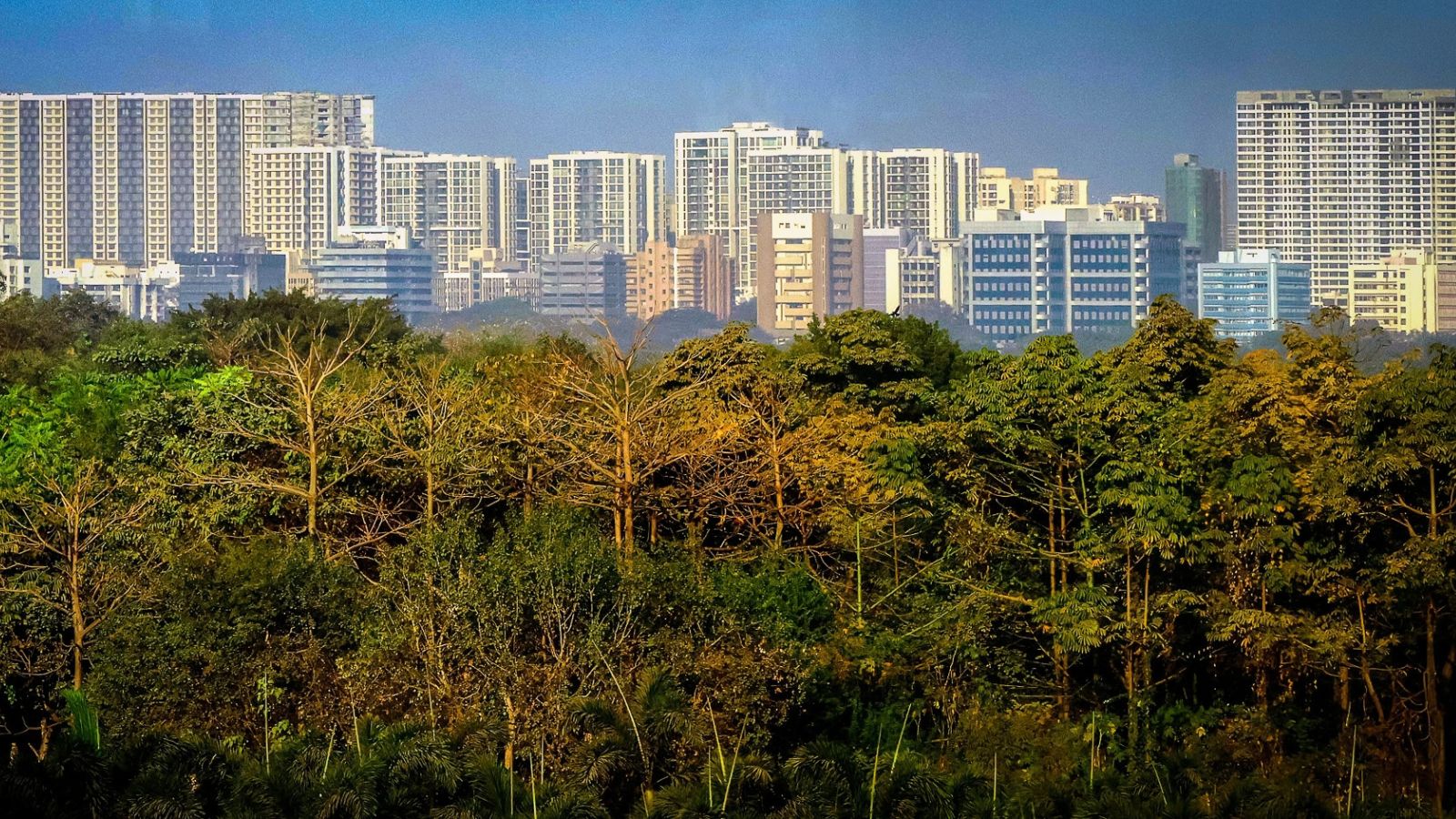
Maharashtra took part in a national programme to grow and protect trees.
A government audit checked how the state carried out the work.
It found that important committees did not meet as often as planned, and one forest agency did not hold any meetings.
Auditors also found problems with how some of the programme’s money was reported and distributed.
In one area, records said many saplings had been planted, but the audit found evidence for only a small number.
The state agency reported that many trees survived at several sites, but the audit found that very few did.
The audit said tree-protection work was hindered by late funds and damage from cattle.
It also found that none of the 35 sites had work to help soil hold water and protect young plants.

A CAG audit found Maharashtra missed nearly all major Green India Mission targets within the planned timeline.
The state forest development agency was not revamped and held no meetings from 2014-15 to 2024-25; the state steering committee met once.
Auditors found discrepancies between funds reported as used and amounts released or actually spent, and found that some intended districts received no funds.
Of 49,500 saplings recorded as planted in Wardha in July 2019, the audit found evidence supporting only 116 at the site.
At four audited plantation areas, reported survival rates ranged from 50% to 96%, while auditors found actual rates from zero to under 10%; none of 35 sites received required soil-moisture conservation work.
- Who
- The Comptroller and Auditor General of India audited Maharashtra’s forest department’s implementation of the Green India Mission.
- What
- The audit reported major shortcomings in targets, oversight, fund reporting and distribution, sapling records, tree survival, and soil-moisture conservation.
- Where
- Maharashtra, including sites in Nandurbar, Bhor and Wadsa, and the Wardha region.
- When
- The mission covered 2015-16 to 2024-25; the audit describes findings across that period, including planting recorded in July 2019.
- Why
- The audit said late fund releases, cattle damage, lack of soil-moisture conservation, and weak institutional oversight contributed to poor implementation and sapling survival.
State agency claims
CAG audit findings
Reported fund use
State agency claims
The SFDA said it spent Rs 12.75 crore in 2018-19 and reported full utilisation of funds.
CAG audit findings
The CAG found that Rs 9.26 crore was released to five forest development agencies and only Rs 0.29 crore was found utilised; it also reported that Rs 4.42 crore remained unspent at the SFDA.
Sapling survival
State agency claims
The SFDA reported survival rates of 50% at Goramba, 66.33% at Valval, 96% at Rayari and 61.20% at Yerandi.
CAG audit findings
The CAG found survival of 0% at Goramba, 8.42% at Valval, under 5% at Rayari and under 10% at Yerandi.
Wardha planting records
State agency claims
Records cited in the audit listed 49,500 saplings planted in the Wardha region in July 2019.
CAG audit findings
The CAG said nursery supply records were not provided and its audit found evidence that only 116 saplings were planted at the site.
Key facts
- Mission period
- 2015-16 to 2024-25
- Sites selected in Maharashtra
- 35 sites across four talukas in Nandurbar, Bhor and Wadsa
- Plantation area audited
- 205 hectares
- Forest development agency meetings
- None during 2014-15 to 2024-25
- State steering committee meetings
- One meeting, compared with 18 prescribed over nine years
- Wardha sapling record
- 49,500 saplings recorded as planted in July 2019; audit found evidence that only 116 were planted at the site
- Soil-moisture conservation
- Required at all 35 sites; none received the work
Quotes

Comptroller and Auditor General (CAG) report
India’s national auditor, whose report assessed Maharashtra’s Green India Mission implementation.
“Audit found that Rs 12.75 crore was reported as utilised by the SFDA; however, for that financial year only Rs 9.26 crore was released to five forest development agencies (FDAs), of which only Rs 0.29 crore was found utilised. Meanwhile, the FDA and SFDAs claimed full utilisation of funds.”
 indianexpress.com
Sources
Related news
Audit Finds Green India Mission Missed Forest Targets by Wide Margins

Audit Finds India’s Green Mission Falling Far Short
Fadnavis Directs Maharashtra Committee To Draft Six-Month Financial Reform Roadmap

India Urged to Modernize Environmental Data and Conservation Monitoring
CAG Questions Chennai Smart City Mission Implementation
Maharashtra Launches Digital Land Bank, Mahabhoomi Stack for Projects
Maharashtra Schools Teach Children Disaster Preparedness Through Alphabet Chart

Six Indian Monsoon Foods Showcase Local Traditions and Ingredients
Yavatmal Farmer Family Faces Three Suicides Amid Crop Losses

Maharashtra Plans Drive on Long-Term Out-of-State Vehicles