

7 hrs ago
Saudi Arabia Shuts Oil Pipeline as Red Sea Tensions Escalate
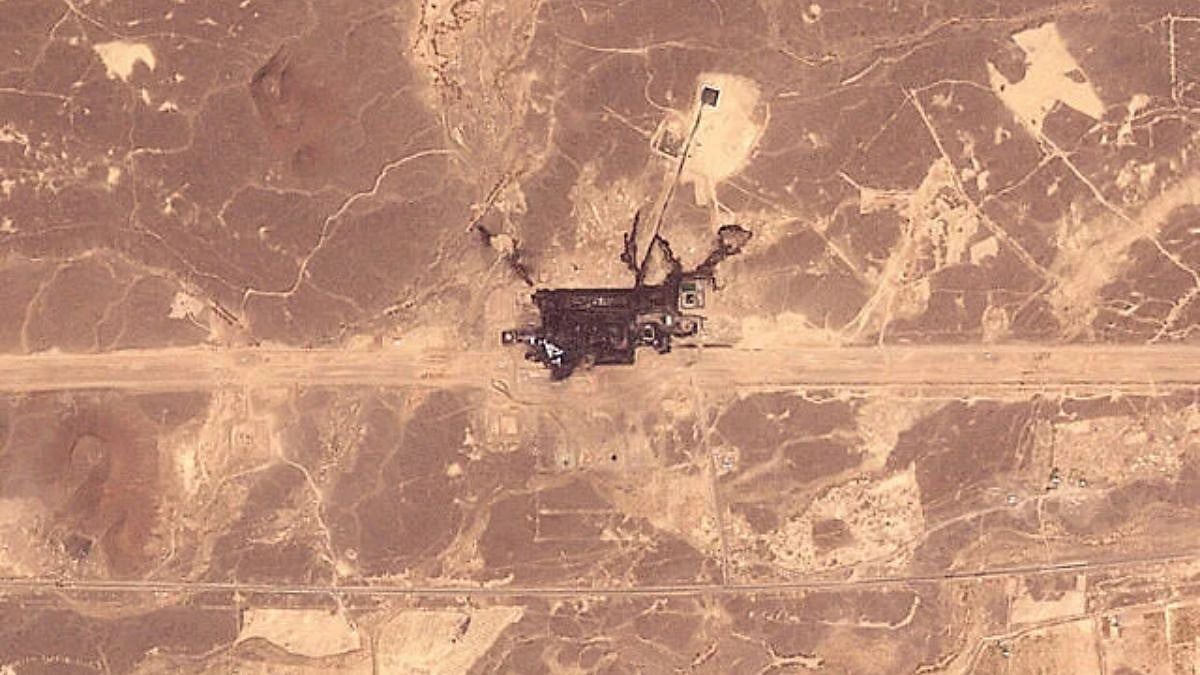
Saudi Arabia has a very long pipeline that carries oil across the country.
The pipeline helps Saudi Arabia send oil without using the Strait of Hormuz.
Drones or other aircraft attacked parts of it on Thursday.
Saudi Arabia stopped the pipeline temporarily so workers could inspect and protect it.
Some people were injured, but officials did not say how many.
The pipeline normally carried millions of barrels of oil each day.
At about the same time, Houthi forces reportedly captured an island near the entrance to the Red Sea.
These events could make ships and oil supplies less reliable.
The reports disagree about who launched the pipeline attack, and Iran denies directing Houthi military operations.

Saudi Arabia temporarily shut its 1,200-kilometer East-West oil pipeline after an aerial attack.
The pipeline was struck Thursday in the Riyadh and Medina regions, causing unspecified injuries and damage.
Saudi Arabia and Iraq said the attack originated in Iraq, but responsibility for the strikes remained unclear.
The pipeline had carried about 4 million to 5 million barrels of oil daily, according to cited analysts and ship-trackers.
The reported seizure of Mayun, also called Perim, Island by Houthi forces added pressure near the Red Sea’s Bab el-Mandeb strait.
- Who
- Saudi Arabia, Iraq, Houthi forces in Yemen, Iran, and the United States were connected to the reported developments; the attackers were not identified.
- What
- An aerial attack led Saudi Arabia to temporarily shut its East-West oil pipeline, while Houthi forces reportedly seized Mayun, also called Perim, Island.
- Where
- The pipeline was attacked in Saudi Arabia’s Riyadh and Medina regions; the island is at the entrance to the Red Sea in the Bab el-Mandeb strait.
- When
- The pipeline attack occurred Thursday, September 10, 2026, and the reported island seizure occurred Friday.
- Why
- Saudi Arabia said the pipeline was closed as a precaution to secure it and assess damage, while the broader concern was the possible disruption of oil and shipping routes.
Saudi Arabia and Allied Concerns
Iran and Houthi Positions
Responsibility for the pipeline attack
Saudi Arabia and Allied Concerns
Saudi Arabia and Iraq said the attack originated in Iraq, and Iraq launched an investigation and dismissed an Iraqi military commander.
Iran and Houthi Positions
The perpetrators were not immediately identified. Iran publicly denies directing Houthi military operations.
Response to the Houthi advance
Saudi Arabia and Allied Concerns
Saudi Arabia said it reserved the right to take necessary measures, sought United States military assistance, and indicated concern about threats to energy and shipping routes.
Iran and Houthi Positions
Houthi spokesperson Yahya Saree said maritime navigation remained safe for all vessels except Saudi ships covered by an announced ban.
United States involvement
Saudi Arabia and Allied Concerns
Saudi Arabia sought direct American military help, while Washington said it would provide intelligence sharing and targeting assistance.
Iran and Houthi Positions
Washington was reportedly not prepared to take direct military action at that time.
Key facts
- Pipeline
- Saudi Arabia’s East-West oil pipeline
- Pipeline length
- About 1,200 kilometers
- Pipeline capacity cited
- About 4 million to 5 million barrels of oil per day
- Attack locations
- Riyadh and Medina regions
- Pipeline status
- Temporarily closed as a precaution
- Reported island seizure
- Houthi forces reportedly seized Mayun Island, also called Perim Island, near the Bab el-Mandeb strait
- Reported injuries
- An unspecified number of people were injured
- Reported origin
- Saudi Arabia and Iraq said the attack originated in Iraq; responsibility remained unclear
Sources

Related news

Saudi Pipeline Shut as Houthis Seize Strategic Red Sea Island

Saudi Arabia Shuts East-West Pipeline After Attack Amid Houthi Fighting

Saudi Arabia Suspends East-West Oil Pipeline After Iraq-Linked Drone Attacks

Saudi Pipeline Hit by Iraq-Launched Drones as Riyadh Waits

Houthis Seize Red Sea Coast as Saudi Pipeline Shuts

Reported Projectiles Strike Saudi East-West Oil Pipeline System
BRICS Summit Tests India’s Balancing Act Amid Global Turmoil

Houthi Capture of Strait Island Raises Saudi Oil Risks

Iran President Rejects US Regional Police Role Amid Conflict

Energy Prices Raise Winter Crisis and Interest Rate Fears

Anwar Ibrahim Blames Initial US-Israel Aggression for Iran Conflict
