

4 hrs ago
NEP’s Joyful Learning Push Reshapes Children’s Classroom Experience
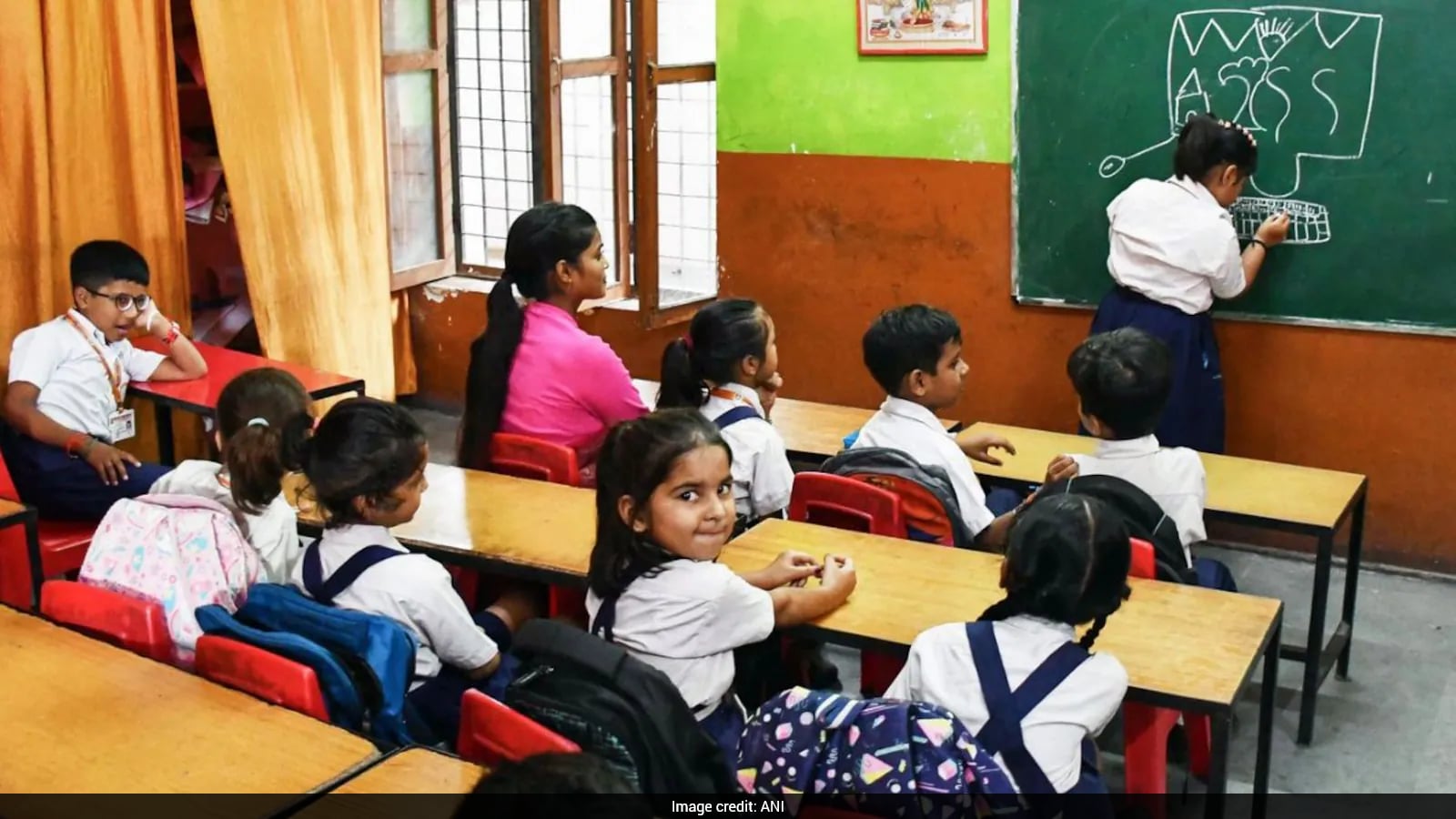
The National Education Policy 2020 wants school lessons to be more enjoyable and useful.
Teachers are encouraged to help children learn how to think, not just memorize facts.
Lessons can include questions, discussions, predictions, art, games, and group activities.
These activities are meant to make children curious and involved.
Joyful learning means feeling happy and satisfied while learning.
It also aims to make classrooms less stressful for students and teachers.
Children can practice skills such as teamwork, communication, creativity, and problem-solving.
Different strategies allow students to learn alone or with classmates.
The goal is for children with different abilities to take part meaningfully in lessons.

The National Education Policy 2020 calls for experiential, holistic, inquiry-driven, learner-centred, flexible, and enjoyable teaching.
The CBSE says schools should focus less on content and more on critical thinking, creativity, problem-solving, innovation, and adaptability.
Joyful learning aims to create a positive intellectual and emotional state in a stress-free teaching and learning environment.
Suggested classroom strategies include Rally Robin, Directed Reading Thinking Activity, Crack the Code, Visual Artwork, and Graffiti Board.
The initiative seeks to help learners with varied abilities engage meaningfully with educational content individually and in groups.
- Who
- The National Education Policy 2020 and the Central Board of Secondary Education are promoting the approach.
- What
- Schools are being encouraged to use joyful, skill-based, competency-oriented, and learner-centred teaching methods.
- Where
- In school classrooms and other learning settings.
- When
- Why
- To make learning less stressful and more meaningful while developing critical thinking, creativity, collaboration, and other 21st-century skills.
Key facts
- Policy
- National Education Policy 2020
- Implementing board
- Central Board of Secondary Education
- Meaning of joyful learning
- A positive intellectual and emotional state involving pleasure and satisfaction during learning.
- Teaching emphasis
- Less content memorization and more critical thinking, problem-solving, creativity, innovation, and adaptability.
- Highlighted skills
- Critical thinking, collaboration, communication, creativity, flexibility, leadership, initiative, accountability, and social interaction.
- Suggested strategies
- Rally Robin, Directed Reading Thinking Activity, Crack the Code, Visual Artwork, and Graffiti Board.
Sources
Related news

India’s Exam-Focused Classrooms Need A New Learning Pathway
Educational Institutions Face Big Challenge Building Critical Thinking Skills
Questions Raised Over Parliamentary Process Behind India’s NEP-2020
IIT Kharagpur Programme Transforms Teaching Through NEP, Technology and GenAI
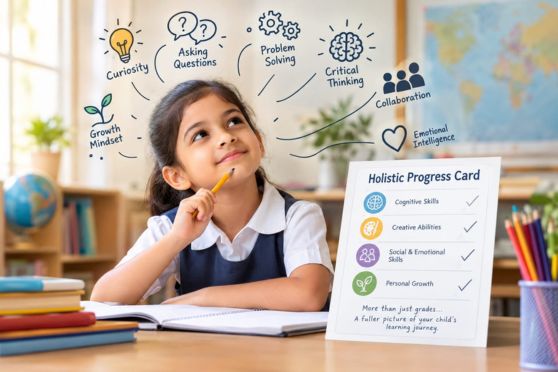
Schools Urged to Rethink Report Cards for Holistic Development

CISCE Releases Competency-Focused Practice Questions for ICSE and ISC Students

NCERT Class 9 Textbook Connects Ram Rajya With Good Governance

New NCERT Textbook Links Governance Mottos to Ancient Traditions
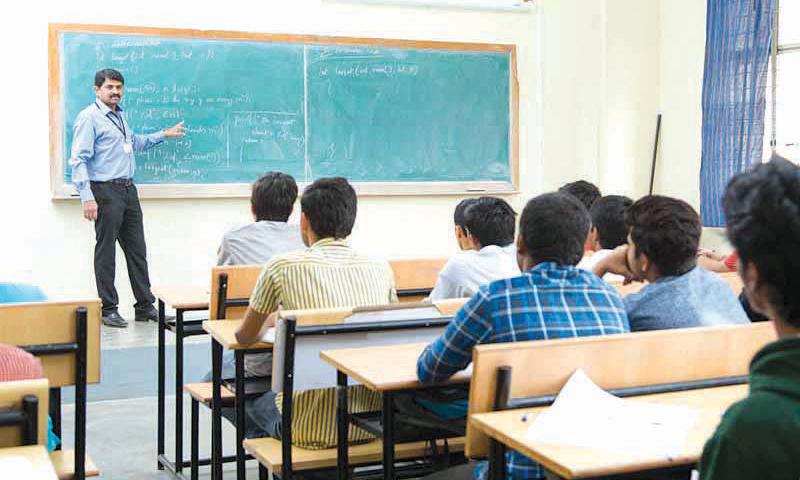
NEP 2020 Builds Credit Infrastructure, But Student Mobility Lags
